Accurate Ovulation Tracking: Your Indian Guide to Conception
Unlock the secrets to predicting your ovulation day precisely. This guide offers Indian women practical, evidence-backed methods to boost their chances of conception, blending traditional wisdom with modern science.
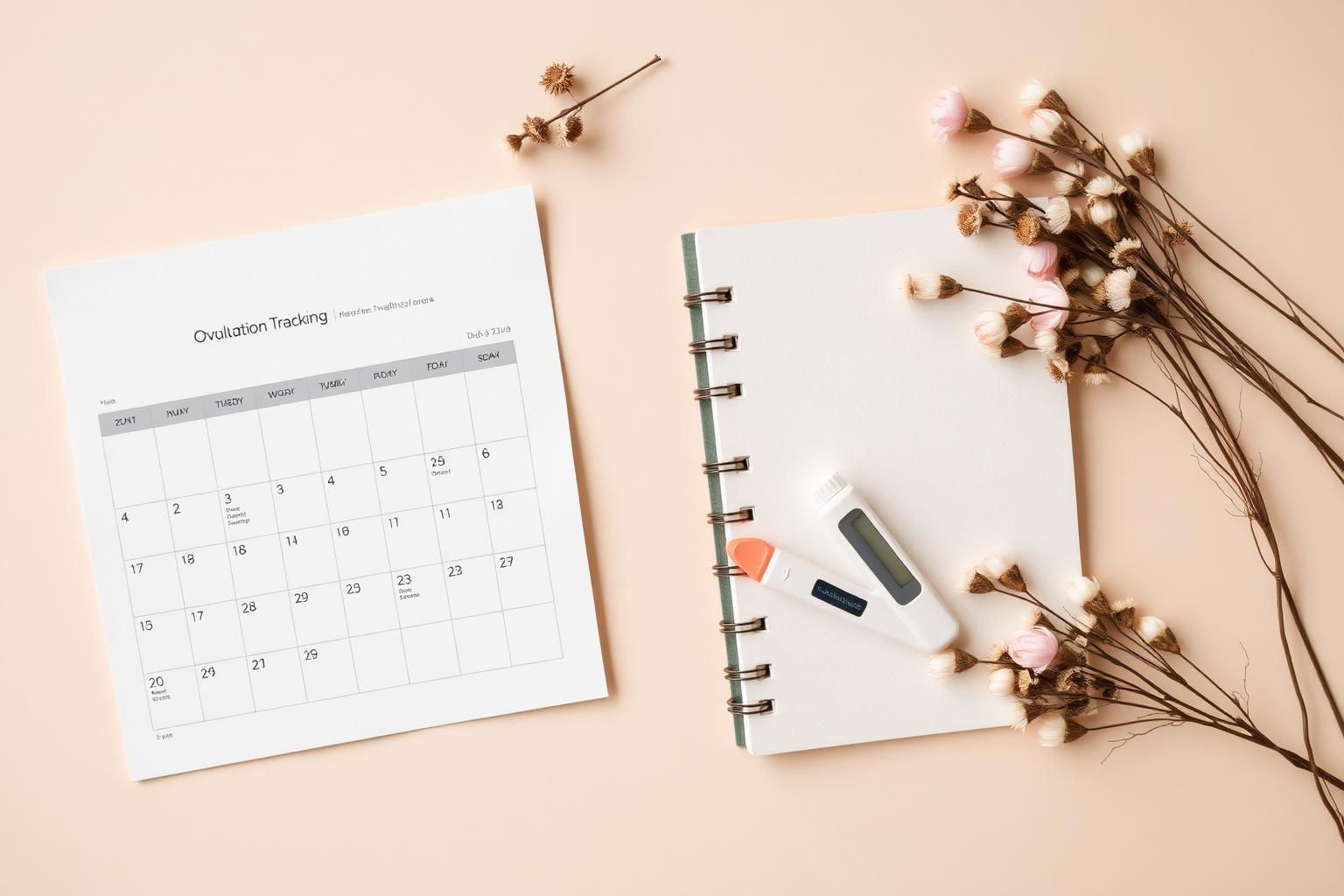
This is an exciting time, isn't it, mama-to-be? The journey to conception is a beautiful one, filled with hope and anticipation. For many Indian couples, understanding the fertile window – specifically, pinpointing ovulation – is a key step towards starting a family. But with so much information out there, how do you accurately predict your ovulation day amidst our unique Indian lifestyle, climate, and even dietary patterns?
Let's dive into some reliable, evidence-backed methods, keeping our wonderful Indian context in mind.
Why is Ovulation Tracking So Important?
Simply put, for conception to occur, an egg needs to be released from your ovary (ovulation) and then met by sperm. The egg has a relatively short lifespan – about 12-24 hours – while sperm can survive in the female reproductive tract for up to 5 days. This means your "fertile window" actually starts a few days before ovulation and includes the day of ovulation itself. Knowing this window significantly increases your chances of conceiving.
Method 1: Understanding Your Menstrual Cycle
Your period is the most obvious indicator of your cycle. Track it diligently! While the "average" cycle is 28 days, anything from 21-35 days is considered normal. Ovulation typically occurs around 12 to 16 days before your next period starts, not necessarily 14 days after your last period began.
Indian Context Tip: Many Indian women experience variations in cycles due to factors like stress, climate changes (think monsoon humidity affecting your body), or even dietary shifts during festivals. Don't be disheartened by slight irregularities; consistent tracking helps you understand your unique pattern.
Method 2: Basal Body Temperature (BBT) Charting
Your Basal Body Temperature is your lowest body temperature in a 24-hour period. It typically rises slightly (about 0.2 to 0.5 degrees Celsius) after ovulation and stays elevated until your next period. This rise is due to the increase in progesterone after the egg is released.
How to do it:
Take your temperature every morning at the same time, before* getting out of bed, talking, or even drinking water. Use a special basal body thermometer, which is more sensitive.
* Plot these temperatures on a chart.
* Look for a sustained rise for at least three consecutive days.
Indian Context Tip: Our warm climate means you might feel naturally warmer. Ensure your room temperature is consistent if possible, and avoid taking BBT after a disturbed sleep or if you've been fanning yourself intensely through the night. If you follow Ayurvedic principles, understand that certain doshas might naturally have slightly different baseline temperatures.
Method 3: Cervical Mucus Monitoring (The "Fertile Cervical Fluid")
This is one of the most reliable and oldest methods. Your cervical mucus changes in consistency throughout your cycle due to fluctuating hormone levels.
* After your period: You might have little to no mucus, feeling dry.
* As ovulation approaches: Mucus becomes sticky, then creamy.
* Just before and during ovulation: It becomes clear, slippery, and stretchy, resembling raw egg white. This "egg white cervical mucus" (EWCM) is optimal for sperm survival and transport. This is your most fertile sign!
* After ovulation: Mucus becomes thicker or dries up again.
How to do it: Check your cervical mucus several times a day by observing toilet paper, underwear, or by inserting a clean finger into your vagina. Note its color, consistency, and stretchiness.
Indian Context Tip: Hydration is key! In our often-humid climate, sometimes we forget to drink enough water, which can affect mucus production. Ensure you're well-hydrated. If you're using vaginal washes or strong perineal hygiene products, they might interfere with natural mucus; consider gentle, unperfumed options.
Method 4: Ovulation Predictor Kits (OPKs)
OPKs detect the surge in Luteinizing Hormone (LH) that occurs 24-36 hours before ovulation. They are readily available in pharmacies across India.
How to use: Follow the kit instructions carefully. Generally, you start testing a few days before your expected ovulation. A positive result indicates that ovulation is likely to occur very soon.
Indian Context Tip: Buy from a reputable pharmacy to ensure product quality and expiry. Store them in a cool, dry place, especially during our hot summers, as extreme temperatures can affect their efficacy.
Combining Methods for Best Accuracy
While each method offers valuable insights, using a combination often provides the most accurate picture. For example, tracking your cycle, monitoring BBT, and observing cervical mucus together can help you corroborate your findings and identify your fertile window with greater confidence.
When to Consider Consulting a Specialist
If you've been consistently tracking your ovulation for 6-12 months without success, or if you have irregular periods, known conditions like PCOS, or other health concerns, it's a good time to consult a gynaecologist or fertility specialist. They can offer personalized advice, further investigations, and support.
This journey is unique for every couple. Be patient with yourself, trust your body, and enjoy this special time of anticipation. Every month brings new hope!