Best Baby Soap Brands India: 2024 Doctor-Recommended Guide
Find the best baby soap brands india recommends. Compare Sebamed, Himalaya, and Tedibar. Learn about pH 5.5, BIS marks, and the best baby care brands india offers.
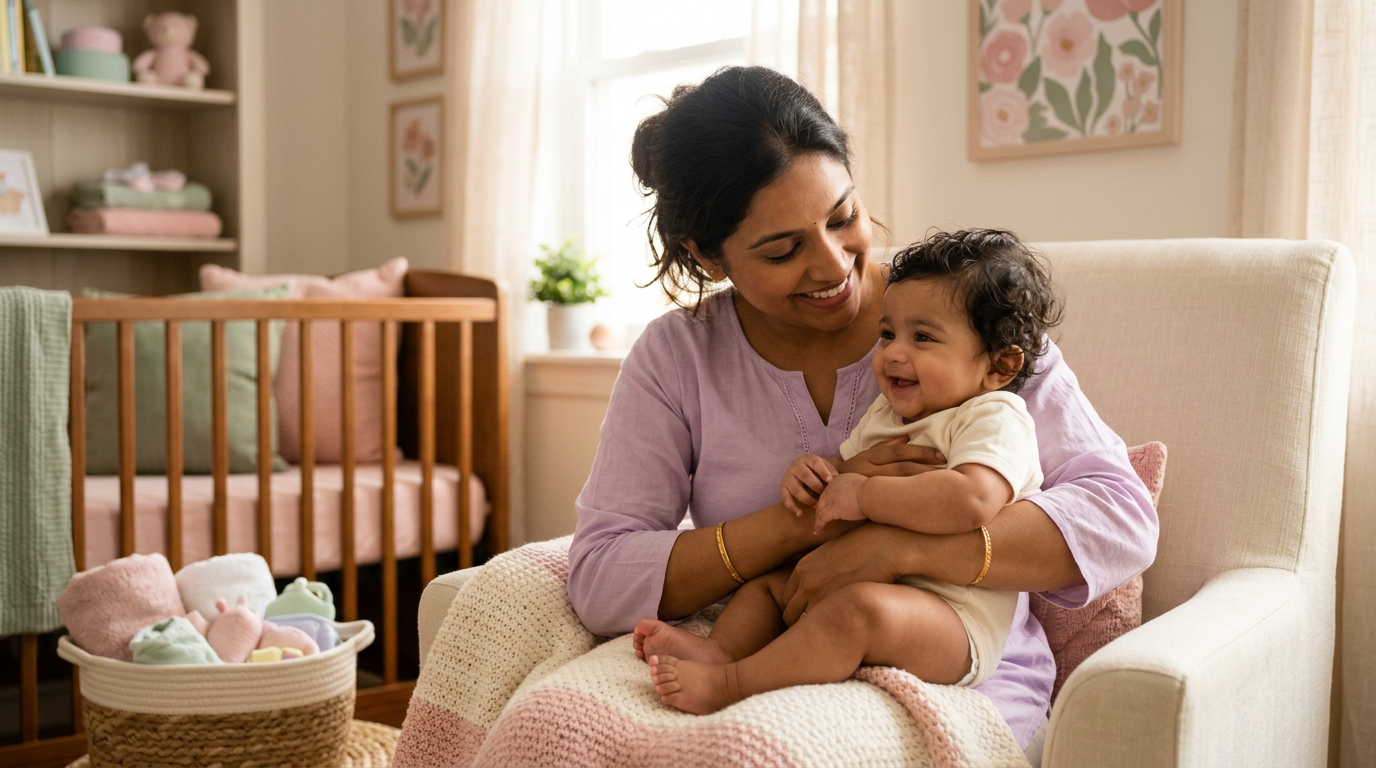
Choosing the best baby soap brands india offers is less about the fancy packaging and more about protecting that delicate skin barrier. A newborn’s skin is 30% thinner than ours, making it prone to dryness and irritation from harsh surfactants like SLS (Sodium Lauryl Sulfate). For Indian mothers, the choice often sits between traditional besan-haldi ubtans and modern dermatologically tested bars. The ideal soap should have a pH of 5.5, be tear-free, and remain free of parabens and synthetic fragrances.
Understanding the Indian Baby Skin Landscape
In India, our climate varies from the humid heat of Chennai to the dry winters of Delhi. This means your choice of best baby care brands india depends heavily on your geography. A soap that works for a baby in the sweaty monsoon might be too drying for a baby in a North Indian winter.
During the postnatal period (also called postnatal), your baby’s skin is still adjusting to the world outside the womb. During these first few months of postnatal recovery for the mother, the baby’s bath time is often handled by a Jhai Ji or Malishwali. Ensure they aren’t using vigorous scrubbing motions, even with the best soap, as this can lead to micro-tears.
According to the Indian Academy of Paediatrics (IAP), baby skin products should ideally be non-perfumed and alkaline-free. You want to maintain the "acid mantle," a thin film on the skin’s surface that acts as a barrier against bacteria.
Top Contenders: Best Baby Soap Brands India (2024 Comparison)
1. Sebamed Baby Cleansing Bar (The Gold Standard)
If you ask any paediatrician for a recommendation, Sebamed is usually at the top.
* Why it works: It is strictly pH 5.5, which matches healthy skin.
* Best for: Eczema-prone skin or newborns with very sensitive skin.
* Price Point: ₹250–₹350 per bar.
* The Catch: It is more expensive than local brands and doesn't lather much (which is actually a good sign of fewer chemicals).
2. Himalaya Gentle Baby Soap (The Household Staple)
Himalaya has become the "nani-approved" modern brand. When looking at mamaearth vs himalaya baby, Himalaya often wins on price and accessibility in tier-2 and tier-3 cities.
Why it works: Contains Olive Oil and Almond Oil. It’s infused with Indian ingredients like Kanjira* (Indian Beech).
* Best for: Daily use for babies with normal skin.
* Price Point: ₹50–₹80 per bar.
* The Catch: Contains mild fragrance which might bother extremely sensitive noses.
3. Tedibar (The Dermatologist's Favourite)
Tedibar is technically a "syndet" (synthetic detergent) bar, which is much gentler than traditional soap.
* Why it works: It is soap-free and alkali-free. It’s incredibly popular in Indian pharmacies.
* Best for: Atopic dermatitis and preventing rashes.
* Price Point: ₹150–₹200 per bar.
4. Maate / Mother Sparsh (The Ayurvedic New-Age Brands)
These represent the premium best baby products brands in india that focus on traditional Ayurvedic formulations without the nasties.
* Why it works: Mother Sparsh uses ingredients like Turmeric and Neem, while Maate focuses on high-quality botanical oils.
* Best for: Moms who want the "Ubtan" experience without the mess of mixing powders.
How to Read an Indian Baby Soap Label
Don't just go by the "natural" or "herbal" claim. In India, many brands use these as marketing terms. Look for these specific markers:
* BIS Certification: Check for the IS 9873 mark which ensures safety standards for child products.
* TFM (Total Fatty Matter): For adult soaps, a higher TFM is better. For babies, you want a "Syndet" bar where TFM isn't the primary measure of quality.
* No SLS/SLES: These create the foam but strip away natural oils.
* Paraben-Free: Look for labels explicitly stating no methylparaben or propylparaben.
If you are tracking your baby's progress, you might notice skin changes during different growth spurts. Check our baby milestones tracker to see how skin sensitivity correlates with environmental exposure as they start crawling.
Traditional Ubtan vs. Modern Soap
Many Indian households still swear by besan (gram flour), malai (cream), and haldi (turmeric). While these are natural, they can be abrasive.
* The Risk: Flour particles can get trapped in skin folds (neck, armpits, groin), leading to fungal infections if not rinsed perfectly.
The Compromise: Use a soap-free cleanser for daily baths and save the traditional ubtan* for a weekly ritual, ensuring it is ground very finely.
Real Talk from Indian Moms
"I started with a very popular scented baby soap, but my son developed dry patches on his cheeks. My doctor switched us to Tedibar, and the difference was immediate. In India, the dust is so much that you feel like you need a 'strong' soap, but you really don't."
— Ananya R., Bengaluru, Mom to 6-month-old Ishaan.
"We tried the whole indian baby clothing brands organic cotton route, but realized the soap we used to wash his clothes and his body was causing the redness. Switching to Sebamed saved us a lot of stress during the first winter."
— Meher V., Chandigarh, Mom to 1-year-old Kabir.
When to Call Your Paediatrician
Skin issues can escalate quickly in infants. Consult your doctor if you see:
* Yellowish, crusty scales on the scalp (Cradle Cap) that seem to be spreading to the face.
* Bright red, inflamed skin in the diaper area that doesn't clear with coconut oil.
* Pustules or fluid-filled blisters.
* Extreme itching that interferes with the baby's sleep or feeding.
* Widespread hives or rashes that appear immediately after a bath.
If you're worried about your baby's fussiness after bath time, it might not just be the soap—sometimes it's overstimulation. You can use our AI cry analyzer to understand if they are tired, hungry, or genuinely irritated by a skin sensation.
Summary Checklist for Buying
Remember, the goal of a bath in the early months isn't just cleanliness—it's a sensory experience. Keep it short, keep it warm, and choose a soap that respects the delicate nature of your little one’s skin. You are doing a great job, Ma. Trust your gut and your baby's skin reactions more than any advertisement.
"My baby's skin is protected, and I am making the best choices for us."
Sources & further reading
- Indian Academy of Pediatrics - Skin Care Guidelines
- Bureau of Indian Standards - Toilet Soap for Babies Specification
- World Health Organization - Child Health and Development
Written by Dr. Anjali Mehta, MBBS, DCH (Paediatrics)
Reviewed by TheMamaCircle Editorial Team
Last updated: 23 September 2026
This article is for general information only and is not a substitute for personalised medical advice. Always consult your paediatrician or obstetrician for your specific situation.