Boost Fertility with an Indian Diet: What to Eat When
Discover how traditional Indian foods can enhance your fertility. This guide covers essential nutrients and delicious recipes to support your journey to conception.
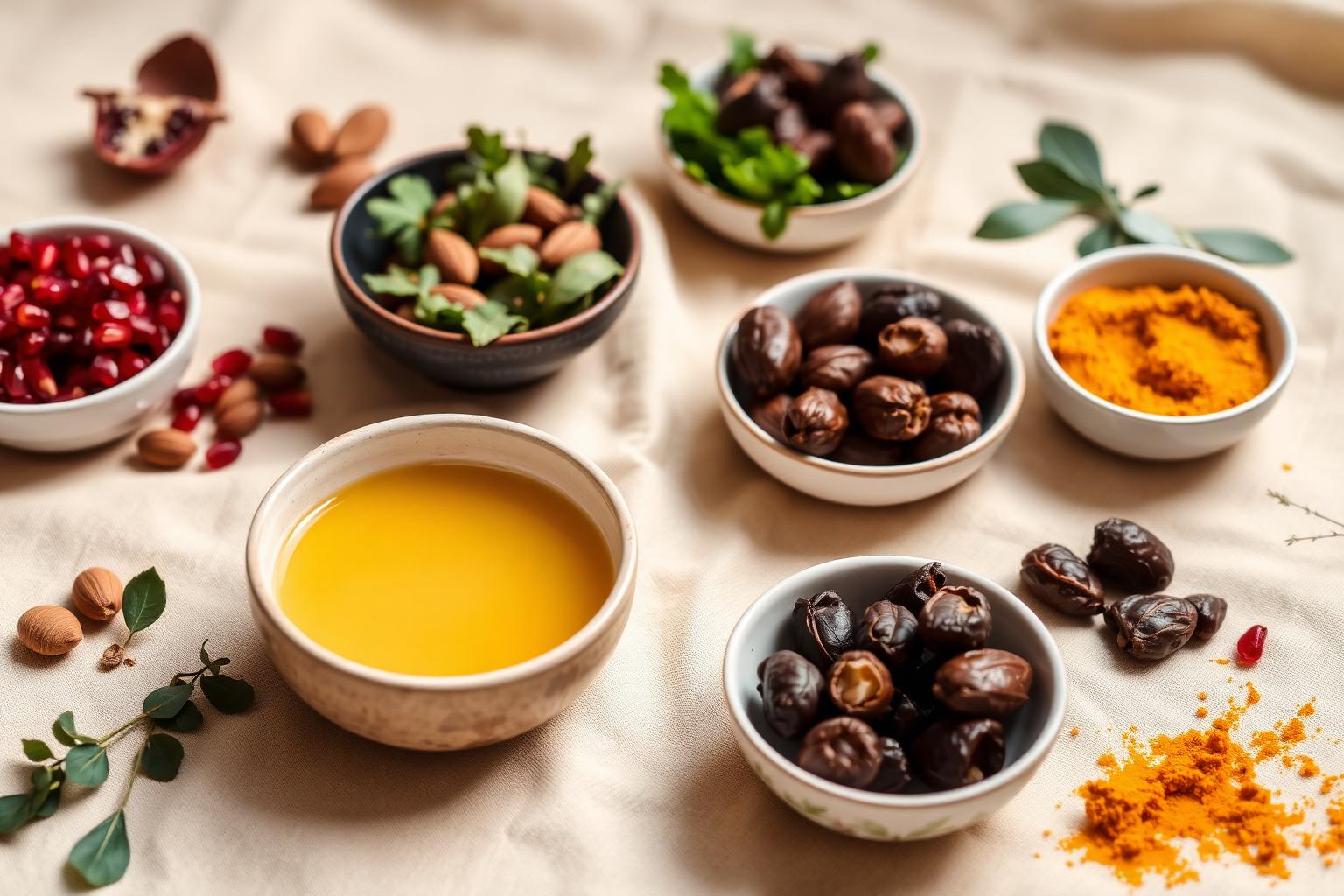
For many of us, the dream of motherhood blossoms early, and when the time comes to welcome a little one, nourishing our bodies becomes a priority. While there's a wealth of information out there, sometimes it feels like we're wading through a sea of recommendations that don't quite fit our Indian kitchens and palates. But guess what? Our very own traditional Indian diet is a powerhouse of fertility-boosting nutrients! Let's explore how you can eat your way to better reproductive health, the Indian way.
The Power of Whole Grains and Complex Carbohydrates
Forget the refined flours and opt for the goodness of whole grains. Foods like ragi (finger millet), bajra (pearl millet), jowar (sorghum), and whole wheat rotis provide sustained energy and are packed with fibre, which helps regulate blood sugar levels. Stable blood sugar is crucial for hormonal balance, a key player in fertility. Think about starting your day with a warm bowl of ragi porridge or enjoying jowar rotis with your sabzi. These grains are also rich in B vitamins, essential for overall reproductive health.
Protein Powerhouses for Reproductive Health
Protein is the building block of life, and for fertility, it's non-negotiable. While chicken and fish are great options for non-vegetarians, for our vegetarian mamas-to-be, the options are abundant and delicious! Dals (lentils) like moong, masoor, arhar, and chana are not only staple comfort foods but also excellent sources of protein. Don't forget the mighty paneer, tofu, and various beans and legumes. These provide the necessary amino acids to support egg and sperm quality. A hearty dal fry or a paneer bhurji can be a fantastic addition to your daily meals.
Healthy Fats: Essential for Hormonal Harmony
Gone are the days when all fats were demonized. Healthy fats are absolutely vital for hormone production and absorption of fat-soluble vitamins. Incorporate sources of ghee (clarified butter) in moderation, nuts like almonds, walnuts, and cashews, and seeds such as flaxseeds, chia seeds, and sunflower seeds. A handful of almonds as an evening snack or adding a spoonful of ghee to your daal can go a long way. Avocado, though not traditionally Indian, is becoming more accessible and is a fantastic source of monounsaturated fats.
The Colorful Bounty of Fruits and Vegetables
Our Indian markets are a riot of colours, and each hue brings its own set of antioxidants, vitamins, and minerals. Load up on a variety of seasonal fruits and vegetables. Think spinach, kale, broccoli, mangoes, pomegranates, berries, and oranges. These are rich in folate, vitamin C, and antioxidants that protect reproductive cells from damage. A colourful fruit chaat or a generous portion of green leafy vegetables in your sabzi are easy and delightful ways to boost your nutrient intake.
Spices and Herbs: Nature's Medicine Cabinet
Indian cuisine is renowned for its aromatic spices, and many of these have incredible health benefits, including fertility-boosting properties. Turmeric, with its active compound curcumin, is a powerful anti-inflammatory. Ginger aids digestion and reduces inflammation. Cinnamon can help regulate blood sugar, which is particularly beneficial for those with PCOS. Incorporate these incredible spices generously into your cooking. A warm glass of haldi doodh (turmeric milk) before bed is not just comforting but also therapeutic.
Gut Health: The Unsung Hero of Fertility
A healthy gut means better nutrient absorption and a balanced immune system, both crucial for fertility. Include fermented foods like dahi (yogurt) and achaar (pickles) in moderation. These introduce beneficial bacteria to your gut. Remember, a happy gut often leads to a happy reproductive system.
What to Limit or Avoid
While focusing on what to eat, it's equally important to be mindful of what might hinder your progress. Try to limit processed foods, excessive trans fats, sugary drinks, and too much caffeine. These can disrupt hormonal balance and overall well-being.
Embracing an Indian fertility-boosting diet isn't about strict deprivation but rather about celebrating the wholesome, nutritious foods that have been a part of our heritage for generations. It's about nourishing your body with love and intention as you prepare to welcome your little miracle. So, head to your local market, embrace the vibrant colours and aromas, and enjoy eating your way to a healthier, more fertile you!
Disclaimer: Always consult with your healthcare provider or a registered dietitian before making significant changes to your diet, especially when Planning a Baby.