Decoding Your Home Pregnancy Test: Faint Lines, Evaporation
A home pregnancy test can bring a mix of emotions. Learn how to accurately read your results, understand faint lines, and differentiate them from evaporation lines for clarity on your journey.
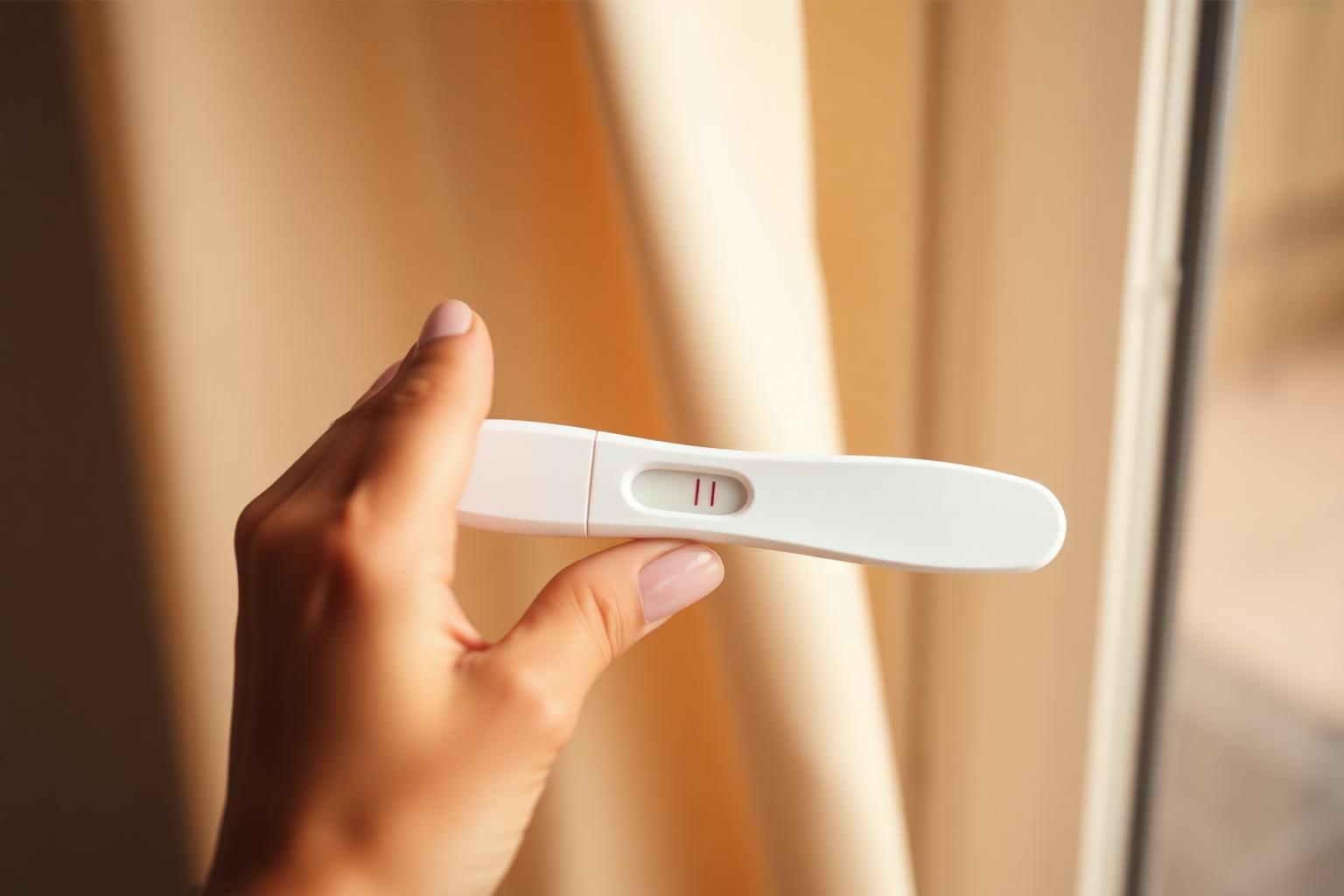
Welcome, lovely mamas-to-be, to TheMamaCircle! The journey to motherhood is truly special, filled with anticipation, dreams, and perhaps a little bit of anxiety. One of the most pivotal moments on this path is taking a home pregnancy test. The two little windows on that stick hold so much power, don't they? But what happens when the results aren't as clear as you'd hoped? Let's demystify those faint lines, evaporation lines, and everything in between, so you can read your test with confidence.
Understanding the Basics of a Home Pregnancy Test
Before we dive into the nuances, let's quickly understand how these tests work. Home pregnancy tests detect the presence of human chorionic gonadotropin (hCG) – often called the "pregnancy hormone" – in your urine. This hormone is produced by the placenta shortly after a fertilized egg implants in the uterus. As your pregnancy progresses, hCG levels rise rapidly.
Most tests come with a control line, which confirms that the test is working correctly, and a test line, which indicates pregnancy. A positive result usually means two lines appear, while a negative result shows only the control line.
The Elusive Faint Line: Could It Be Positive?
Ah, the faint line – the source of so much hopeful squinting and retesting! A faint line on a home pregnancy test is often indeed an indication of a positive result, especially if it appears within the recommended reaction time (usually 3-5 minutes, check your specific test's instructions).
Reasons for a Faint Positive:
* Early Pregnancy: Your hCG levels might still be low because you're testing very early in your pregnancy. The levels usually double every 48-72 hours, so retesting in a couple of days might give you a darker line.
* Diluted Urine: If you've had a lot of fluids before taking the test, your urine might be diluted, leading to lower concentrations of hCG. It's best to use first-morning urine, which is more concentrated.
* Test Sensitivity: Different test brands have varying sensitivities. Some can detect lower levels of hCG than others. A more sensitive test might pick up hCG earlier and thus show a fainter line.
* Chemical Pregnancy: Sometimes, a fertilized egg implants but doesn't develop further, leading to a very early miscarriage. This can result in a faint positive that then disappears.
If you see a faint line, the best course of action is to retest in 2-3 days using first-morning urine. Consider using a digital test, which often displays a clear "Pregnant" or "Not Pregnant" message, reducing ambiguity.
The Tricky Evaporation Line: Don't Be Fooled!
Now, this is where it gets a little tricky. An evaporation line is a common culprit for confusion. It's a faint, colourless, thin line that can appear in the test window after the urine has dried, well past the recommended reaction time. This line is caused by the urine evaporating from the test area, leaving behind a faint indentation or residue where the test line would normally appear.
Key Differences Between a Faint Positive and an Evaporation Line:
* Timing is Everything: A true positive line (even if faint) will appear within the suggested reaction time (e.g., 3-5 minutes). An evaporation line appears much later, often after 10-20 minutes, or even hours.
* Colour: A positive line, no matter how faint, will have some colour (pink, purple, or blue, depending on the dye used in the test). An evaporation line is typically colourless or greyish.
* Thickness: Evaporation lines can sometimes appear thinner or jagged compared to a true positive line.
To avoid the heartbreak of an evaporation line, always read your test within the manufacturer's recommended time frame and discard it afterward. Do not check it hours later!
Other Considerations When Taking a Home Pregnancy Test
* Check the Expiry Date: An expired test might not yield accurate results.
* Follow Instructions Carefully: Each test brand might have slightly different instructions. Read them thoroughly!
* Type of Test: Some tests are more sensitive than others. "Early detection" tests can often pick up hCG several days before your missed period, but they are also more prone to showing very faint lines.
* Medications: Certain fertility treatments containing hCG can cause a false positive, so always discuss your medications with your doctor.
When to Contact Your Doctor
While home pregnancy tests are very reliable, especially when read correctly, it's always a good idea to confirm your pregnancy with a healthcare professional. This is particularly important if:
* You get a positive result.
* You have irregular periods and are unsure when to test.
* You're experiencing pregnancy symptoms but your tests are negative.
* You've had previous pregnancy complications.
Remember, dear ones, navigating this path requires patience and belief. Whether you're hoping for that strong second line or are simply seeking clarity, understanding your home pregnancy test empowers you. We at TheMamaCircle are here to support you every step of the way, just like your family does, whether it's celebrating with a cup of adrak chai or simply being there.
Disclaimer: This blog post is for informational purposes only and does not constitute medical advice. Please consult with your healthcare provider for any health concerns or before making any decisions related to your health or treatment.