Garbh Sanskar Guide: Ancient Rituals Vetted by Science for
Discover how ancient Garbh Sanskar rituals align with modern prenatal science. Learn diet, music, and meditation tips for a healthy Indian pregnancy. Read more.
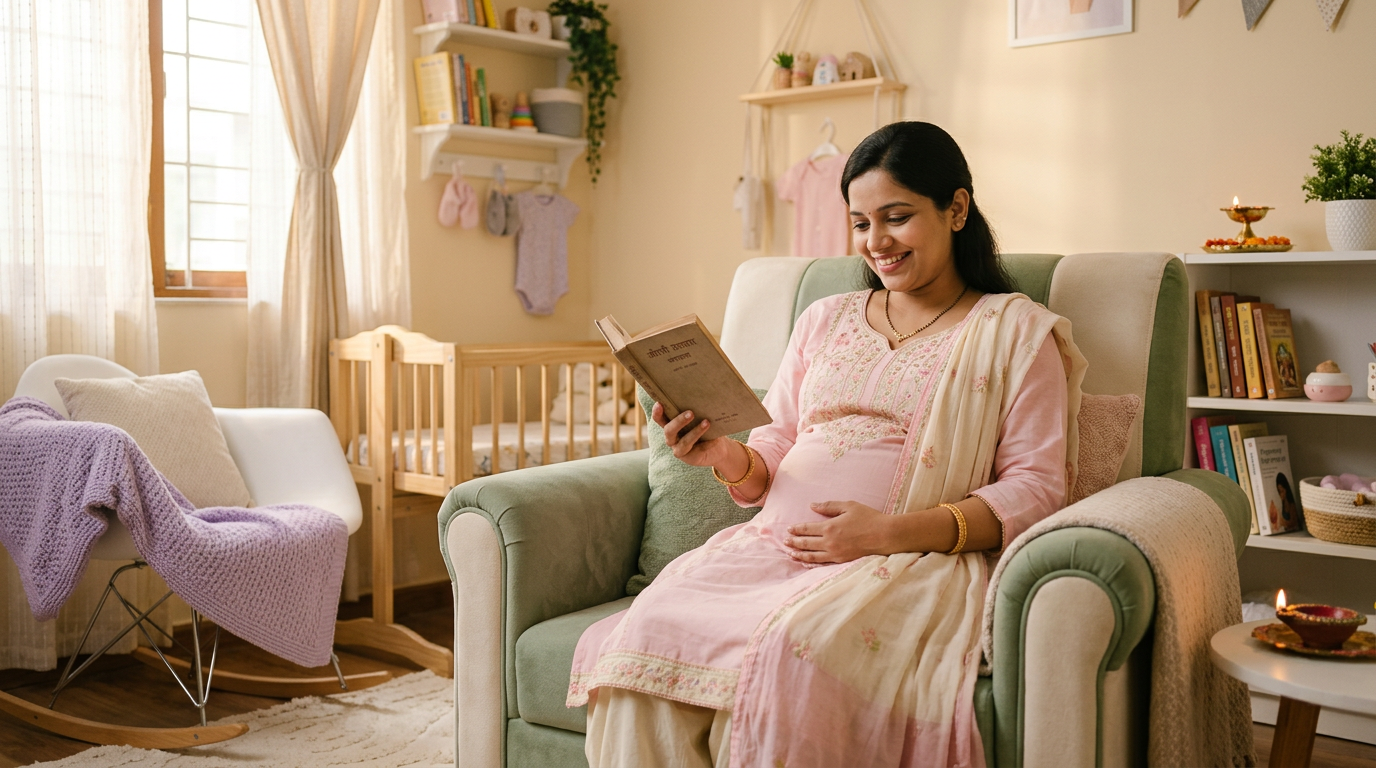
My patient, Megha, came to my clinic at 14 weeks, clutching a diary full of notes from her mother-in-law. "Doctor," she whispered, "is it true that if I listen to the Sunderkand daily, my baby will be brave, or is this just family pressure?" I told her what I tell every modern Indian mom: Garbh Sanskar isn't magic or superstition; it is the ancient Indian science of prenatal priming. By intentionally choosing your environment, thoughts, and diet, you are influencing your baby’s neural development during the most critical 280 days of their life.
What is Garbh Sanskar and Does it Actually Work?
Garbh Sanskar literally translates to "educating the womb." While the term sounds Vedic, the logic is purely biological. Around the 16th to 18th week, a foetus begins to hear. By the third trimester, their brain is forming millions of synapses every minute.
When you practice Garbh Sanskar rituals, you aren't "teaching" your baby algebra; you are regulating your own cortisol (stress) and oxytocin (love) levels. These hormones cross the placenta. If you are calm, your baby’s nervous system develops in a "safe" chemical environment. If you are constantly stressed, the baby’s brain prepares for a high-stress world.
The Five Pillars of Modern Garbh Sanskar
> Mama-to-mama Real Talk: Let’s be honest. You will have days where you lose your temper at the Swiggy driver or cry because you dropped a samosa. That does not "ruin" your baby. Garbh Sanskar is about your cumulative state of mind, not a single bad afternoon. Don't let the "rules" become another source of stress!
The Science of Sound: Why Chanting Matters
We’ve all seen the videos of babies reacting to music in the womb. But in India, we’ve used Beej Mantras and Shlokas for centuries. Why?
Modern studies on the "Mozart Effect" suggest that rhythmic, low-frequency sounds soothe the foetal heart rate. When you chant "Om" or listen to Vedic shlokas, the vibrations resonate in your abdominal cavity. This isn't just spiritual; it’s a tactile massage for the baby’s developing sensory system.
How to do it:
* Select a time: Early morning (Amrit Vela) is best, but 10 minutes before bed works too.
* The Playlist: MS Subbulakshmi’s Vishnu Sahasranamam or simple flute music (Raga Yaman or Raga Bilawal) are excellent for lowering maternal BP.
Talk to your bump: This is called Garbh Samvad*. Tell your baby about your day, what you ate, or how much you look forward to meeting them.
Garbh Sanskar Diet: Beyond Just Ghee and Laddoos
In many Indian households, your sasu maa might insist on putting half a katori of ghee in every meal. While healthy fats are vital, Garbh Sanskar emphasises Sattvic (pure) food.
The Golden Rule: Eat food that is Shuddh (clean), Pavitra (freshly cooked), and Poshtik (nutritious).
Food Swaps for the Modern Mom:
* Instead of refined biscuits: Go for Makhana (fox nuts) roasted in ghee with turmeric. (Approx. ₹200-300 per pack).
* Instead of tea/coffee: Try a glass of Saffron (Kesar) milk or fresh coconut water.
* The "Iron" Powerhouse: Dates (khajur) and soaked almonds.
* The Vitamin C Kick: Amla (Indian gooseberry) in the form of murabba or juice to help iron absorption.
Can Reading Books Really Shape a Baby’s Personality?
"Read the Bhagavad Gita or the Ramayana," says the Dadi.
"Read 'The 7 Habits of Highly Effective People'," says the career-oriented Mom.
The truth? The content matters less than the emotion it evokes in you. When you read something that inspires courage, your body releases endorphins. Your baby experiences that "win."
Case Study: Ananya from Bengaluru
Ananya, a 29-year-old software engineer, felt disconnected from traditional rituals. Instead of Sanskrit shlokas she didn't understand, she spent 20 minutes every evening reading Sudha Murty’s stories aloud. "It became my 'me-time'," she told us. Her daughter, now 2, shows a remarkable calmness whenever she hears Ananya’s "storytelling voice."
Maalish and Yoga: The Physical Component
Garbh Sanskar isn't just sitting still. The Ayurvedic tradition of Abhyanga (self-massage) is crucial. Using warm virgin coconut oil or Dhanwantaram Thailam (readily available at Kerala Ayurveda or Kama Ayurveda stores) helps with skin elasticity and induces deep sleep.
* Pranayama: Simple Anulom-Vilom (alternate nostril breathing) for 5 minutes helps oxygenate the placenta.
* Walking: A 20-minute rhythmic walk in a park (not a mall!) helps the baby’s vestibular (balance) system develop as they rock in the amniotic fluid.
> Real Talk: There will be aunts who tell you that if you see an eclipse or use scissors, your baby will have a birthmark. This is NOT Garbh Sanskar. Scientifically, these are myths. If a "ritual" is based on fear, it’s not part of the Vedic science of prenatal care. Toss the fear, keep the peace.
When to Call Your Paediatrician (or OB-GYN)
While Garbh Sanskar focuses on wellness, it is never a substitute for medical intervention. Contact your doctor immediately if:
* You feel a significant decrease in foetal movements (after 26 weeks).
* You experience sudden swelling in hands and face (could be Preeclampsia).
* You feel overwhelmed by sadness or anxiety (Prenatal Depression is real and rituals alone won't fix it).
* You have any vaginal bleeding or leaking fluid.
* You have a high fever or persistent abdominal pain.
Frequently Asked Questions
Does Garbh Sanskar increase baby’s IQ?
It doesn't necessarily make a "genius," but it creates the optimal neurological foundation. By reducing maternal stress, you allow the brain to focus on growth rather than "survival" mode.
When should I start Garbh Sanskar?
Ideally, it starts before conception (Bijshuddhi), but for most, the best time to start is the moment you find out you are pregnant. The auditory benefits kick in around month 4-5.
I work a 9-5 job. How can I manage this?
Garbh Sanskar isn't an 8-hour job. It’s 5 minutes of deep breathing at your desk, a healthy lunch, and listening to a calming podcast on your commute. It’s a mindset, not a checklist.
Is it okay to watch action movies or thrillers?
In moderation, yes. However, if a movie makes your heart race or makes you feel anxious, your baby feels that surge of adrenaline too. Stick to lighthearted or inspiring content as much as possible.
Can my husband participate?
Absolutely! When the father talks to the bump, the baby learns to recognise that lower-frequency voice. It builds an early bond and supports the mother's emotional health—which is the core of Garbh Sanskar.
Do I need to join expensive Garbh Sanskar classes?
You don't need to. Most of these classes (costing ₹5,000 to ₹20,000) just teach you what your grandmother already knew: eat well, pray/meditate, stay active, and be happy. Save the money for the diapers!
Remember, mama, your womb is your baby’s first classroom, but you are the teacher, not a drill sergeant. If all you did today was eat a healthy meal and feel a moment of joy, you’ve practiced Garbh Sanskar.
Repeat after me: My peace is my baby’s strength.
Sources & further reading
- Indian Academy of Pediatrics — Guidelines on Prenatal Care
- National Health Portal India — Ayurvedic Prenatal Care (Garbhini Paricharya)
- WHO — Recommendations on Antenatal Care for a Positive Pregnancy Experience
- Journal of Family Medicine and Primary Care — Impact of Prenatal Yoga and Meditation in Indian Context
Written by Dr. Ritu Sharma, MD (Obstetrics & Gynaecology)
Reviewed by TheMamaCircle Editorial Team
Last updated: 12 May 2026
This article is for general information only and is not a substitute for personalised medical advice. Always consult your paediatrician or obstetrician for your specific situation.