Garbh Sanskar Tips: Indian Pregnancy Rituals & Science Guide
Discover how Garbh Sanskar tips blend ancient Vedic wisdom with modern fetal science. Learn 5 practical rituals to bond with your baby today. Read more!
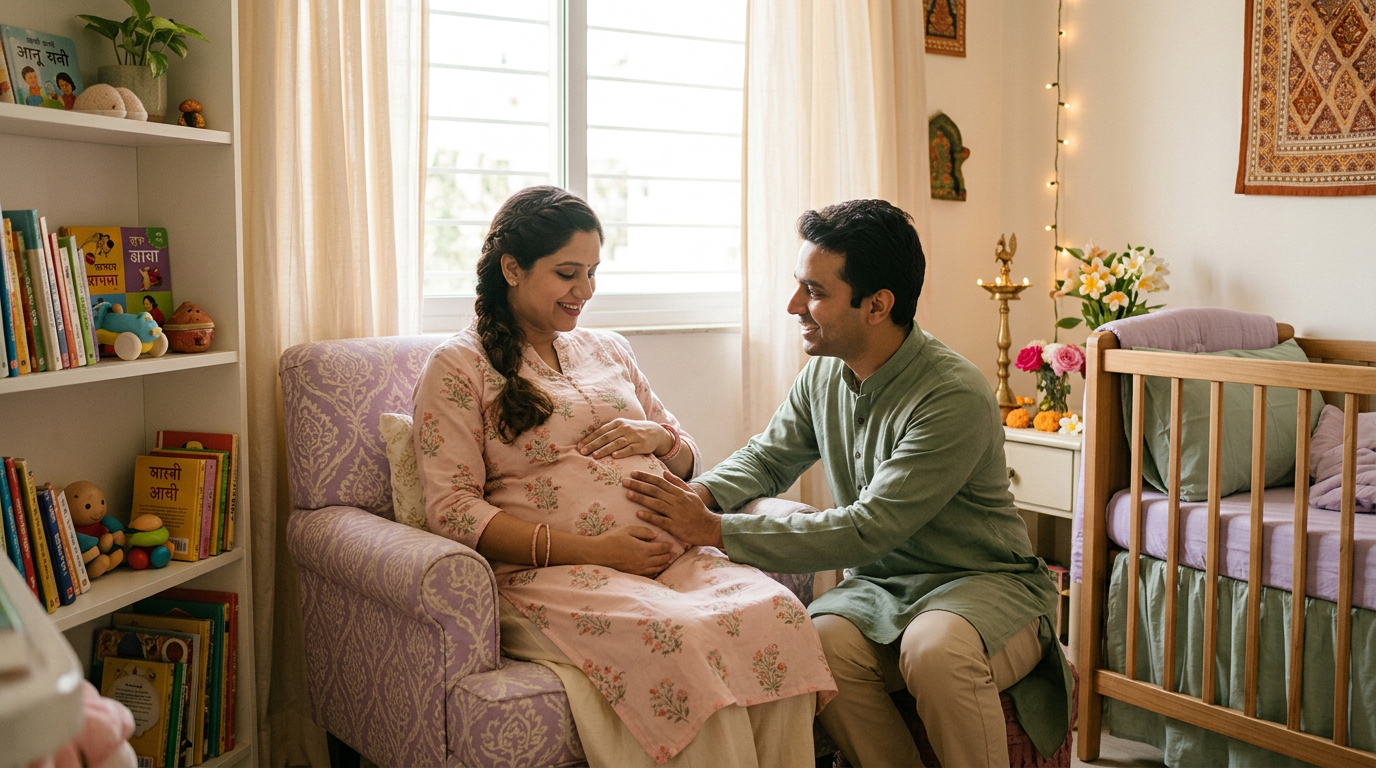
As you sit there, perhaps with a cup of ginger tea to ward off the morning nausea, you might be wondering if that Garbh Sanskar playlist your mother-in-law sent actually does anything. The short answer? Yes. Our ancient Vedic texts suggest that a baby’s education starts in the womb, and modern epigenetics actually agrees. It isn't just about 'culture'; it's about the fact that your baby’s brain develops at a rate of 250,000 neurons per minute, and your internal environment—your stress, your food, and your sounds—is their first classroom.
What exactly is Garbh Sanskar in the 21st century?
In Sanskrit, Garbh means womb and Sanskar means ethics or values. Traditionally, it is the process of educating the mind of the unborn child. While the Ayurvedic texts like the Charaka Samhita laid this out thousands of years ago, today we call it "fetal programming."
What we do during these nine months isn't just "waiting for the baby." We are actively shaping the baby’s temperament and health. When you are happy, your body releases dopamine and serotonin, which cross the placenta. When you are stressed, cortisol levels rise. Garbh Sanskar is simply a structured way to ensure your baby is marinating in the "good stuff."
The Five Pillars of Modern Garbh Sanskar
Does science back the "Babies can learn" theory?
Absolutely. By week 18, your baby can hear your heartbeat and the gurgle of your stomach. By week 26, they react to sounds outside the womb.
A famous study by the University of Helsinki showed that babies could recognise the melody of a song played to them while in the womb for several months after birth. When you practice Garbh Sanskar—whether it’s chanting 'Om' or reading a story—you are building neural pathways. You aren't teaching them English or Maths; you are teaching them how to feel and how to respond to the world.
Real Talk: Let’s stop the "Perfect Maa" pressure
> Mama-to-Mama: Let’s get real. Some days, Garbh Sanskar looks like chanting shlokas and smelling jasmine. Other days, it’s you crying into a bowl of Maggi because you’re tired and your back hurts. That is okay. Your baby doesn't need a saint; they need a human mother who is trying. Don't let the "rules" of traditional rituals become another source of stress. If you can't meditate for 30 minutes, just take three deep breaths before you eat. That counts too.
Practical Garbh Sanskar rituals you can start today
1. The Power of "Garbh Samvad" (Womb Talk)
Don’t feel silly talking to your stomach. Your voice is the most comforting sound your baby will ever know.
* The Science: Research shows that newborns prefer their mother's voice over any other sound. It lowers the baby’s heart rate.
* The Ritual: Every night, before sleeping, place your hand on your bump. Tell your baby about your day, or tell them, "You are loved, you are healthy, you are welcome."
* Pro tip: Get your partner involved. This helps in "paternal bonding," making the baby familiar with the father's deeper voice frequency.
2. Music Therapy: Beyond just Chants
While Raag Malkauns or Raag Yaman are traditionally recommended for their soothing frequencies, the best music is what makes you feel relaxed.
The Ritual: Spend 15 minutes a day listening to soft instrumental music or Vedic suktams (like the Garbh Rakshambika Stotram*).
* Safety check: Keep the volume moderate. The amniotic fluid conducts sound very well, and we don’t want to startle the little one.
3. Sattvic Diet (Ahara)
In India, we often hear "eat for two." Science says "eat better, not more."
* What to include: Ghee (in moderation), soaked almonds, walnuts, saffron milk, and seasonal fruits like mangoes or pomegranates.
* The 'Sanskar' element: Try to eat in a calm environment. Put the phone away. Avoid watching 'K-Dramas' or stressful news while eating. Your digestion and your baby’s nourishment are better when your nervous system is in 'rest and digest' mode.
4. Creative Hobbies (Vichar)
The Abhimanyu story from the Mahabharata isn't just a myth; it’s a metaphor for fetal learning. Engage your brain.
* The Ritual: Solve a puzzle, learn a new language, or try knitting/painting. When your brain is engaged and happy, it produces neurotrophins, which help in the baby’s brain development.
A mini case study: Ananya’s "Calm" Baby
Ananya, a 29-year-old software engineer from Bengaluru, was highly stressed during her first trimester. After her mother suggested Garbh Sanskar, she started a simple 10-minute ritual: listening to flute music and writing in a gratitude journal every evening.
"I didn't think it would work," she told us. "But I noticed that whenever I played that specific flute track, the baby’s frantic kicking would settle into a gentle rhythm. Even now, with my 6-month-old, that same music stops his crying instantly. It’s like a 'reset' button we built before he was even born."
When to call your Paediatrician (or OB-GYN)
While Garbh Sanskar focuses on the soul and mind, physical safety is paramount. Consult your doctor if:
* You feel pressured to follow a restrictive diet under the guise of "tradition."
* You feel excessive guilt or anxiety about not "doing enough" for the baby’s Sanskars.
* Someone suggests stopping your iron or calcium supplements in favour of only "herbal" traditional remedies. (Always do both!)
* You experience decreased fetal movement after any new ritual (like loud music or specific breathing exercises).
Real Talk from Indian Moms
"My Sasu-maa insisted I read the Bhagavad Gita every day. At first, it felt like a chore. But eventually, it became the only time in the day I actually sat still. My daughter is now 3, and she has this incredible focus. I like to think it started in the womb." — Meghna, Delhi, Mom to a 3-year-old.
"Nobody tells you that Garbh Sanskar is basically just 'Stress Management for Moms.' Once I looked at it that way, I stopped feeling guilty about not knowing all the Sanskrit mantras. I just played Rahman's instrumental hits and felt happy. Happy mom = Happy baby." — Priya, Kochi, Mom to a 5-month-old.
Frequently Asked Questions
Does Garbh Sanskar make my baby more intelligent?
It doesn't necessarily increase IQ points, but it helps in the healthy development of the nervous system and brain architecture. By reducing maternal stress, you are giving the brain the best environment to grow.
When should I start Garbh Sanskar?
The best time is before conception (Suprajanan), but for most of us, it starts the moment we see those two blue lines. It is never too late to start.
Is it okay to listen to Western music?
Yes! The goal is Prasannachitta (a happy state of mind). If Mozart or Taylor Swift makes you feel joyful and relaxed, that is a 'sanskar' of happiness for your baby.
Can Garbh Sanskar change the baby's personality?
Genes provide the blueprint, but the environment (epigenetics) decides which genes get turned on or off. You can't change their eye colour, but you can certainly help foster a calmer temperament.
Do I need to join an expensive Garbh Sanskar class?
No. While classes offer community, the core of Garbh Sanskar is your personal bond with your baby. You can do this for free at home with prayer, meditation, and good food.
Your pregnancy is a sacred window. It is the only time you will ever literally share your body and soul with another human being. Don't let the rituals become a checklist. Let them be a bridge. Every time you choose peace over anger, or a walk in the park over a stressful screen, you are performing Garbh Sanskar. You’ve got this, Mama.
Repeat after me: My peace is my baby’s first gift.
Sources & further reading
- Indian Academy of Pediatrics — Fetal Programming and Adult Disease
- WHO — Antenatal care for a positive pregnancy experience
- AIIMS — Role of Yoga and Meditation in Pregnancy Outcomes
- ICMR — Nutrient Requirements for Pregnancy in India
Written by Dr. Ritu Sharma, MD (Obstetrics & Gynaecology)
Reviewed by TheMamaCircle Editorial Team
Last updated: 8 May 2026
This article is for general information only and is not a substitute for personalised medical advice. Always consult your paediatrician or obstetrician for your specific situation.