Home Pregnancy Tests: Understanding False Positives &
Navigating home pregnancy tests can be confusing. Learn why you might get a false positive or negative and what to do next in your journey.
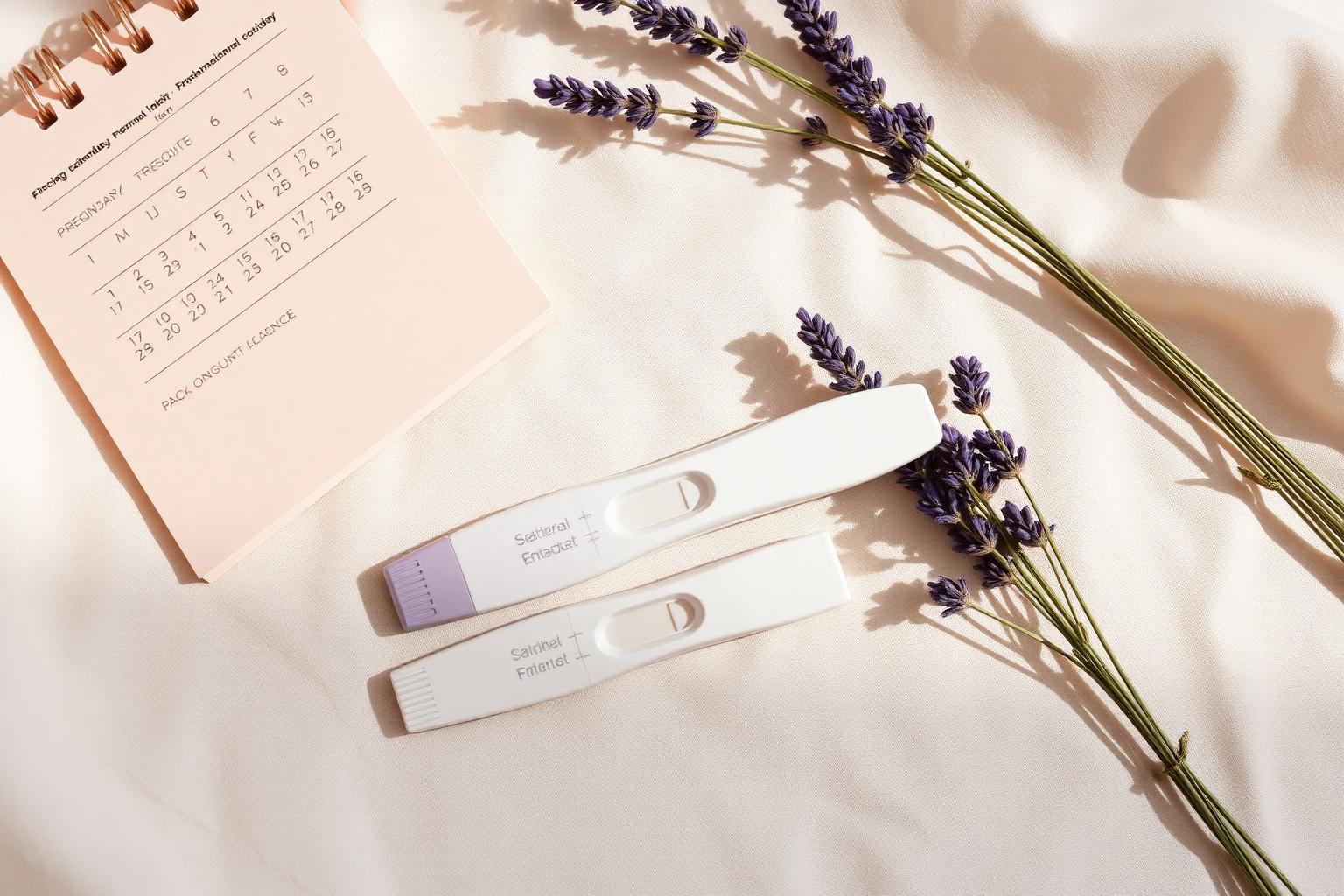
Ah, that little stick! The home pregnancy test—a tiny device holding so much power, so much hope, and sometimes, a whole lot of confusion. Many of us eagerly await those two pink lines (or a plus sign!), but what happens when the result doesn’t quite match what you’re feeling or expecting? In India, where every milestone is celebrated with gusto, understanding these tests is crucial for our emotional well-being.
How Do Home Pregnancy Tests Work?
Before we dive into the "false" territory, let’s quickly understand the science. Home pregnancy tests detect the hormone human chorionic gonadotropin (hCG) in your urine. This "pregnancy hormone" is produced by your body shortly after a fertilized egg implants in your uterus. As the pregnancy progresses, hCG levels rise, making it easier for tests to detect.
The Heartbreak of a False Negative
Imagine the scenario: you’ve been Planning a Baby, your period is late, you feel those tell-tale signs like morning sickness (even if it’s just a slight queasiness like after too much pakora!), and yet, the test says… negative. This can be truly disheartening. A false negative means you are pregnant, but the test shows you’re not.
Why does this happen?
Testing too early: This is the most common reason. Your hCG levels might not be high enough for the test to detect, especially if you’re testing before or on the day of your missed period. Remember, implantation can vary, and hCG only starts rising after* implantation.
* Diluted urine: If you’ve guzzled a lot of water or chai before testing, your urine can become diluted, lowering the concentration of hCG.
* Test sensitivity: Not all tests are created equal. Some are more sensitive and can detect lower levels of hCG than others. Always check the packaging for sensitivity information.
* Incorrect use: Not following the instructions precisely, like not holding the stick in the urine stream long enough or reading the results too late, can lead to inaccurate results.
* Ectopic or chemical pregnancy complications: While rare for a false negative, an ectopic pregnancy (where the fertilized egg implants outside the uterus) or a very early miscarriage (chemical pregnancy) can sometimes result in lower or fluctuating hCG levels that a test might miss initially.
What to do if you suspect a false negative:
* Wait and re-test: It’s often best to wait a few days, ideally until a week after your missed period, for hCG levels to rise. Then, re-test with a new kit.
* Test with first morning urine: This is when your urine is most concentrated, making hCG detection easier.
* Consult your doctor: If your period is significantly delayed and you’re still getting negative results, it’s wise to speak to your gynaecologist. They can perform a blood test for hCG, which is much more sensitive and accurate.
The Confusion of a False Positive
On the flip side, imagine seeing those two lines, your heart soaring with joy, only to find out later that you’re not pregnant. This emotional rollercoaster can be incredibly tough. A false positive means the test says you are pregnant, but you’re not.
Why does this happen?
* Evaporation lines: This is a common culprit. After the specified reading time (usually 3-5 minutes), a faint, colourless line might appear due to urine evaporating from the test’s reaction area. Always read the test within the recommended timeframe and discard it afterwards.
* Chemical pregnancy (early miscarriage): This is perhaps the most significant reason for what appears to be a false positive. A chemical pregnancy is a very early miscarriage that occurs shortly after implantation. The test detects hCG from the brief pregnancy, but the pregnancy doesn't progress.
* Medications: Certain fertility drugs, especially those containing hCG (like Ovidrel or Pregnyl), can lead to a false positive result.
* Medical conditions: Rarely, certain medical conditions like ovarian cysts, pituitary disorders, or even some rare cancers can produce hCG, leading to a false positive. This is more unusual but worth noting.
* Faulty test: While uncommon, a manufacturing defect in the test kit can sometimes lead to an inaccurate result.
What to do if you suspect a false positive:
* Re-test with a different brand: Sometimes, trying a different brand of test can clarify the situation.
* Consult your doctor promptly: If you’ve had a positive result, it’s always best to follow up with your doctor. They can confirm the pregnancy with a blood test and, if necessary, an ultrasound to determine viability and rule out any underlying issues.
The Mama Circle's Advice
Whether you’re seeing a potential false positive or negative, remember to breathe. This journey can be filled with ups and downs. Don’t hesitate to reach out to your partner, family, or a trusted friend for support. In Indian culture, discussing these sensitive topics can sometimes feel taboo, but remember that many women go through similar experiences. Speaking to your doctor is always the best next step to get clarity and proper guidance.
Trust your instincts, take care of your body, and nurture your emotional well-being throughout this exciting (and sometimes challenging) path to parenthood. Your health, both physical and mental, is paramount.
Disclaimer: This blog post is for informational purposes only and does not constitute medical advice. Always consult with a qualified healthcare professional for any health concerns or before making any decisions related to your health or treatment.