Postpartum Depression Signs: India Guide to Recognizing PPD
Recognising postpartum depression signs is crucial for new Indian moms. Learn to spot PPD vs baby blues, find Indian support resources, and start your recovery.
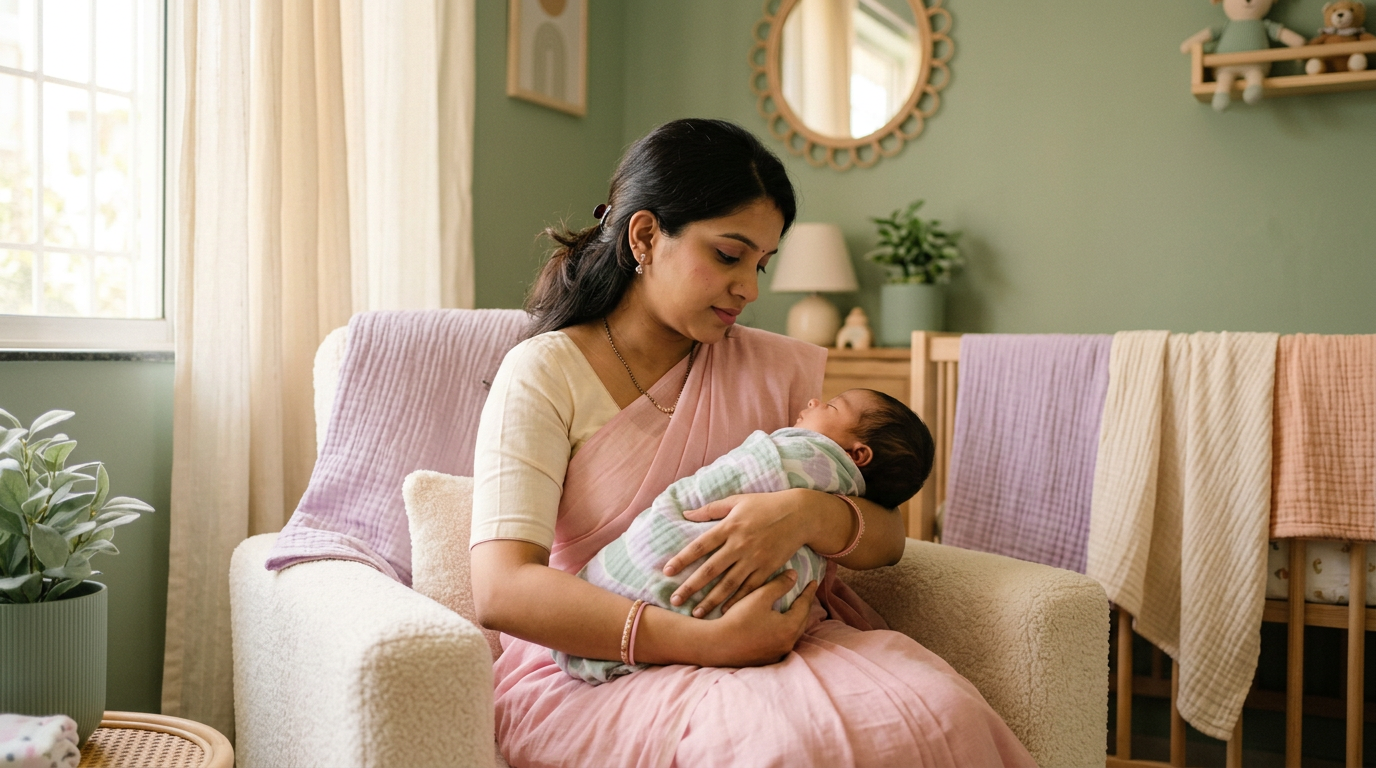
Postpartum Depression Signs: Understanding the Silent Struggle of Indian Mothers
Postpartum depression signs are more common than most Indian families realise, often masked by the celebratory chaos of a new baby. If you find yourself feeling overwhelming sadness, irritability, or a lack of connection with your newborn after childbirth, please know that you are not alone and it is not your fault. This guide helps you recognise the symptoms of PPD, distinguish them from the 'baby blues', and navigate the recovery path within the Indian healthcare system.
Bringing a baby home is supposed to be the happiest time of your life, right? At least, that’s what our dadis, nanis, and those glowing Instagram ads tell us. But for many Indian moms, the reality is a mix of sleepless nights, physical pain, and a heavy cloud that just won’t lift. In India, where the birth of a child is celebrated with pujas, laddoos, and a house full of relatives, admitting you feel miserable can feel like a betrayal.
But here is the truth: Postpartum Depression (PPD) is a clinical medical condition. It has nothing to do with your strength as a woman or your love for your child. In a country where nearly 22% of new mothers experience some form of postpartum distress, it is time we stop whispering and start talking.
What are the most common postpartum depression signs in Indian women?
Recognizing PPD can be tricky because the symptoms often overlap with the general exhaustion of being a new parent. However, the intensity and duration of these feelings are what set PPD apart.
1. Persistent Sadness and "Empty" Feelings
Unlike the temporary weepiness of the baby blues, PPD feels like a heavy blanket of sadness that doesn't go away. You might find yourself crying suddenly while folding jhablas or feeling completely numb during your baby’s naamkaran ceremony.
2. Difficulty Bonding with the Baby
This is perhaps the most guilt-inducing symptom. You might feel like you’re babysitting someone else’s child rather than your own. You go through the motions—feeding, maalish, changing diapers—but you don't feel that "spark" or "rush of love" everyone talked about.
3. Severe Irritability and "Postpartum Rage"
In the Indian joint family setup, this often manifests as snapping at your husband, mother-in-law, or even the elder kids. This isn't just "crankiness"; it's a boiling anger that feels uncontrollable over small things, like someone suggesting you drink more methi ka paani.
4. Changes in Sleep and Appetite (Beyond the Newborn)
Every new mom is sleep-deprived. But if you find yourself unable to sleep even when the baby is sleeping, or if you have completely lost your appetite for your favourite ghar ka khana, these are significant red flags.
5. Withdrawal from Family and Social Circles
If you find yourself making excuses to avoid your saas-bahu chats, skipping family video calls, or locking yourself in the room even when help is available, you might be withdrawing due to depression.
How do you distinguish between Baby Blues and Postpartum Depression?
It is very common to feel emotional in the first week after delivery. This is usually what doctors call the Baby Blues.
* Baby Blues: Usually starts 2-3 days after birth and subsides within 10 to 14 days. It is caused by the sudden drop in oestrogen and progesterone post-delivery. You might feel tearful and tired, but you still experience moments of joy.
* Postpartum Depression: This can start anytime within the first year of birth. The symptoms are more severe, last longer than two weeks, and significantly interfere with your ability to function daily.
If your "blues" have lasted more than two weeks, it is time to consult your OB-GYN or a mental health professional.
The Indian Context: Why PPD is Often Missed
In India, several cultural factors make identifying PPD difficult:
The "Supermom" Myth
Indian society glorifies the self-sacrificing mother. There is an unspoken expectation that a mother should handle everything—the rasoi, the baby, and the guests—with a smile. Admitting to PPD feels like failing at the "ultimate role" of a woman.
The 40-Day Rule (Jaapa)
While the traditional jaapa or confinement period is meant for rest, it can also lead to extreme isolation. Being stuck in one room, restricted from certain foods, and having your autonomy limited can trigger or worsen depressive symptoms.
Physicalisation of Symptoms
Indian patients often report mental distress as physical pain. Instead of saying "I feel depressed," a mother might complain of constant headaches, backaches, or "weakness" (kamzori). Doctors in India are now being trained to look past these physical complaints to see the underlying emotional struggle.
Seeking Help: Navigating the Indian Healthcare System
If you suspect you have PPD, the first step is to tell someone you trust. Here is how you can seek professional help in India:
Talk to your Obstetrician
Your regular gynecologist is the best person to start with. They are familiar with your pregnancy journey and can rule out physical causes like thyroid imbalances or Vitamin D/B12 deficiencies, which are incredibly common in Indian women and can mimic depression.
Consult an RCI-Registered Psychologist
In India, ensure your therapist is registered with the Rehabilitation Council of India (RCI). Look for someone who specializes in "Perinatal Mental Health." Cities like Mumbai, Delhi, and Bangalore have dedicated clinics, but online therapy platforms like MindPeers or YourDOST are also great options for those in smaller towns.
Medication and Breastfeeding
Many Indian moms worry that taking antidepressants (like SSRIs) will mean they have to stop stanpaan (breastfeeding). This is usually not true. Many medications are safe to use while breastfeeding. Consult a psychiatrist who can balance your mental health needs with your breastfeeding goals.
Support Groups
Joining a community of other Indian moms can be life-changing. Platforms like The Mama Circle or Mama-Needs-Help offer safe spaces where you can realize that your thoughts are not "crazy"—they are symptoms.
Practical Steps for Families: How to Support a New Mother
If you are a husband, sister, or mother-in-law reading this, your role is crucial.
* Listen without judging: If she says she is tired, don't say "Everyone gets tired with a baby." Say, "I can see you're struggling, how can I help?"
* Take over chores: Don't ask "What can I do?" Just do it. Take the baby for a walk, handle the diaper laundry, or manage the kitchen.
* Encourage professional help: Gently suggest seeing a doctor if you notice she hasn't been herself for over two weeks. Accompany her to the appointment.
Frequently Asked Questions
Does Postpartum Depression go away on its own?
While some mild cases might improve with time and massive social support, PPD generally requires treatment. Left untreated, it can last for months or even years, affecting the child’s development and the mother’s long-term health.
Can PPD happen even if I had a "perfect" birth and a healthy baby?
Yes. PPD is not a reaction to a "bad" event. It is driven by massive hormonal shifts, biological vulnerability, and environmental stress. You can have a healthy baby and still feel deeply depressed.
Does postpartum depression only happen after the first baby?
No. You can experience PPD after your first, second, or even third child. In fact, if you had PPD with your first, you are at a higher risk with subsequent pregnancies, making early screening even more important.
Is PPD common in Indian men?
Yes, "Paternal Postpartum Depression" is real. About 1 in 10 Indian fathers can experience depression after the birth of a child due to the added financial pressure, lack of sleep, and shift in the marital dynamic.
Will the doctor take my baby away if I admit I have PPD?
This is a common fear, but the answer is no. Doctors and mental health professionals want to help you get better so you can care for your baby safely. Unless there is an immediate risk of harm, the goal is always to keep the mother and baby together.
What is the cost of PPD treatment in India?
Therapy sessions in India can range from ₹800 to ₹3000 per hour depending on the city and the expert's experience. Government hospitals like NIMHANS in Bangalore or AIIMS in Delhi offer excellent psychiatric services at very nominal rates.
A Note of Hope
Mama, if you are reading this while hiding in the bathroom crying, or while staring at your baby feeling nothing but exhaustion, hear this: It will get better.
Postpartum depression is a temporary season, not your permanent identity. By recognizing the signs and asking for help, you are being the strongest mother your baby could ask for. You are not "weak," you are not a "bad mother," and you are certainly not alone. Reach out today—whether it's to your doctor, your partner, or a helpline. You deserve to enjoy your journey into motherhood.
Remember, a happy mother is the foundation of a happy home. Take that first step for yourself, and for your little one. 🌸❤️