Postpartum Diet for Indian New Moms: What to Eat (and Skip)
*Gond ke laddoo*, *methi*, *ajwain paani* and the science behind your *jaappa* thali — a doctor-and-dadi-approved postpartum diet guide for Indian moms, including breastfeeding boosters and C-section recovery foods.
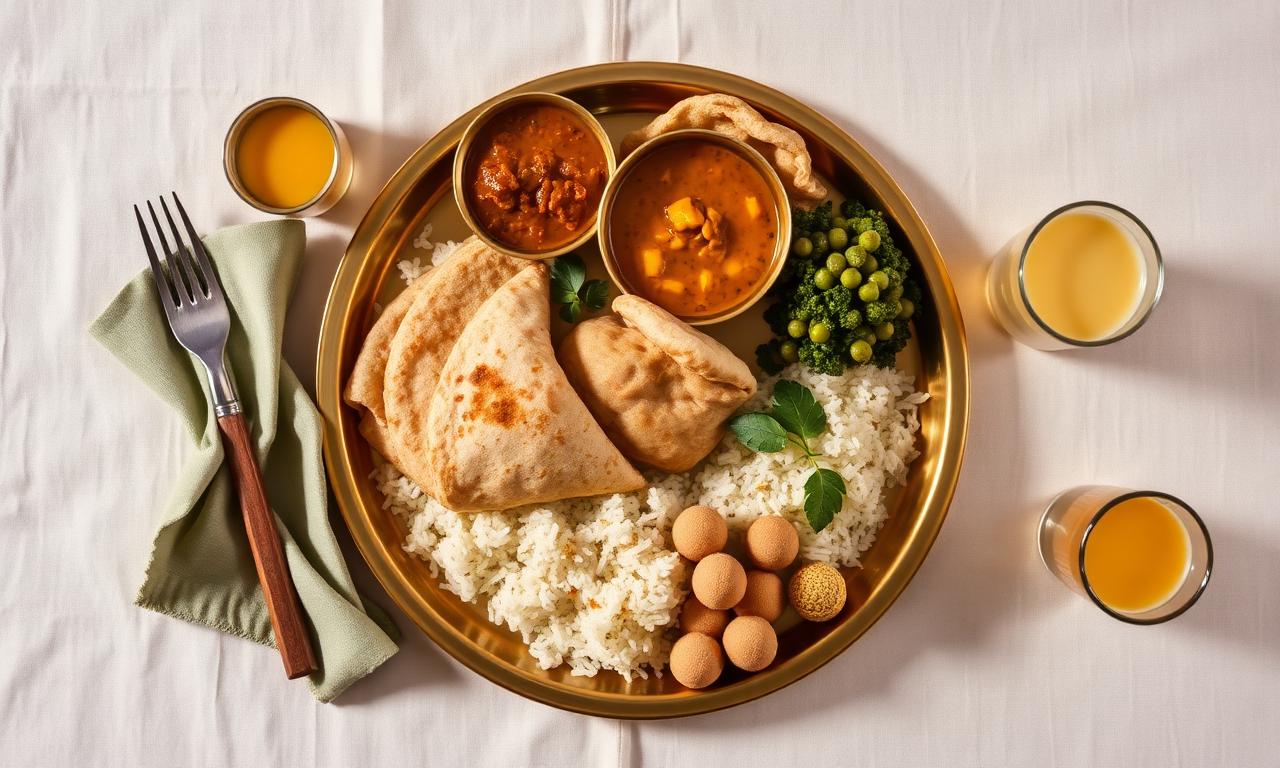
I remember it so clearly: sitting propped up against a mountain of pillows, my tiny newborn asleep on my chest, the faint, comforting smell of ajwain (carom seeds) boiling in water wafting from the kitchen. My mother-in-law would bring me a warm glass, her face a mix of concern and age-old wisdom, telling me, “Beta, this will help clean your system and keep the baby from getting gassy.” In those fragile, overwhelming first few days, that warm, spiced water felt like a hug in a mug, a thread connecting me to generations of mothers who had sat just like me, healing, learning, and falling in love.
That initial 40-day period, often called jaappa in North India or puerperium in medical terms, is a sacred time of recovery. And let's be honest, mamas, a huge part of that recovery is about what you eat. Your body has just run a marathon and now it’s working overtime to heal tissues, replenish nutrients, and produce liquid gold for your little one. So let's sit down with a cup of chai (decaf for now!) and talk about the ultimate postpartum diet for us Indian moms.
Why the Jaappa Diet Exists
For generations, our grandmothers have sworn by a specific diet for new mothers. It’s built on some core principles that are, frankly, brilliant. The traditional jaappa diet is all about:
Warmth: You'll be told to avoid cold water, ice cream, and even raw salads. The logic is that childbirth depletes your body's 'heat' or 'digestive fire' (agni*), and warm foods are easier to digest, promote blood circulation, and provide comfort.
Healing: Foods are chosen for their medicinal properties. Turmeric (haldi) is anti-inflammatory, ginger (adrak) and garlic (lehsun*) are immunity-boosters, and certain seeds are believed to help the uterus contract back to size.
* Lactation: A whole category of foods, known as galactagogues, are included to help boost milk supply.
What Science Says: While there isn't a double-blind study on your dadi's panjiri recipe, modern science backs much of this ancient wisdom. The World Health Organization (WHO) emphasizes a balanced diet rich in protein, vitamins, and minerals for postpartum recovery. Warm, well-cooked foods are indeed easier on a sluggish post-delivery digestive system. Anti-inflammatory foods genuinely help with healing. So, when your mom tells you to eat haldi in your milk, she’s onto something!
The First Week After Delivery: Easy-to-Digest Foods
Whether you’ve had a vaginal delivery or a C-section, your digestive system is slow and your body is exhausted. The first 7-10 days are all about gentle, soupy, and simple foods.
* Moong Dal ki Khichdi: The undisputed king of comfort food. It's the perfect balance of carbohydrates for energy and protein for repair. Have it slightly runny with a dollop of ghee, which adds healthy fats and helps with constipation.
Dal ka Paani (Lentil Water): In the first 24-48 hours, especially if you have no appetite, the clear liquid from cooked moong or masoor* dal, seasoned with a pinch of salt and turmeric, is incredibly nourishing and hydrating.
Ajwain Paani (Carom Seed Water): A postpartum staple. Boil a teaspoon of ajwain* in a litre of water and sip it throughout the day. It’s excellent for digestion, relieving gas, and is believed to help cleanse the uterus.
* Vegetable Soups: Think clear soups made with lauuki (bottle gourd) or carrots. They are light, hydrating, and packed with vitamins.
C-Section Recovery: Foods That Help vs. Hurt
Healing from a C-section is a different ball game because you’re recovering from major abdominal surgery. The key is to support tissue repair and avoid putting any strain on your incision.
Foods that Help:
* Protein-Rich Foods: Protein is the building block for tissue repair. Load up on dal, paneer, well-cooked eggs, and chicken soup. Your body needs it to heal those layers of sutures.
* Vitamin C: This vitamin is crucial for collagen formation and wound healing. Squeeze lemon in your dal, have some diluted amla juice, or eat oranges and papayas.
* Zinc-Rich Foods: Foods like pumpkin seeds, lentils, and whole grains contain zinc, which plays a vital role in immune function and healing.
Foods that Hurt (Initially):
Gas-Forming Vegetables: For the first couple of weeks, go easy on foods that can cause gas and bloating, like cabbage, cauliflower, broccoli, bell peppers, and heavy beans like chhole and rajma*. The gas pressure can be very uncomfortable on your fresh stitches.
* Spicy & Oily Foods: Stick to simple, home-cooked meals. Too much spice or oil can trigger acidity and indigestion, which you definitely don't need right now.
> Real Mama Talk
> "After my C-section, I was so scared of getting constipated. My paati (grandmother) insisted on me having a spoonful of sesame oil (nalla ennai) with hot rice and lots of poondu rasam (garlic rasam). She also made me eat karuveppilai podi (curry leaf powder) for digestion. I was skeptical, but it worked wonders! I healed well and didn't have any tummy troubles."
> \- Priya, Chennai (Mama to a 4-month-old)
The Galactagogues: Foods That Actually Boost Breast Milk
Ah, the number one concern for most new moms: "Am I making enough milk?" While the single most effective way to boost supply is frequent and effective nursing (supply and demand!), certain foods can give you a helping hand.
Methi (Fenugreek Seeds): The most famous milk-booster. You can have soaked methi seeds in the morning, or add the fresh leaves to your sabzi or parathas*.
Shatavari (Asparagus Racemosus): An Ayurvedic powerhouse, often called the “queen of herbs” for female health. You can get shatavari* powder from brands like Himalaya or Dabur (~₹250 for 200g) and mix a teaspoon into a glass of warm milk.
* Oats: A bowl of oatmeal porridge for breakfast is a fantastic, evidence-backed way to support lactation. It’s also rich in iron, which is often low postpartum.
Garlic: Don't be shy! Adding a few extra cloves of garlic to your dal or sabzi* is an easy and effective trick.
Gond (Edible Gum): A key ingredient in those famous postpartum laddoos, gond* is known for its "warming" properties and is believed to strengthen the back and boost milk.
Dill Seeds (Suva*): These have a strong, distinct flavour and are often given to new moms, either infused in water or cooked into food, to aid both digestion and lactation.
Remember, every body is different. What works for your friend might not work for you. The key is a balanced diet, tons of water, and feeding your baby on demand.
Gond Ke Laddoo, Panjiri & Atte Ka Halwa: Decoding the Sweets
No Indian postpartum experience is complete without a dabba (container) full of these ghee-laden, nut-filled sweets. Made with whole wheat flour (atta), edible gum (gond), ghee, nuts, and unrefined sugar (jaggery or shakkar), these are designed to be calorie-dense powerhouses.
The Purpose: They provide a massive, quick hit of energy, healthy fats, and nutrients like iron and calcium from nuts and seeds. The ghee helps with joint lubrication and recovery. They are, in essence, traditional energy bars.
The Reality Check: While they are incredibly nourishing, they are also incredibly high in calories. One gond ka laddoo can be anywhere from 250-400 calories! So, treat them as a supplement, not a meal. One or two a day, perhaps as a mid-morning or evening snack, is perfect. Wait until your digestion feels a bit stronger, maybe a week or so after delivery, before you start on these heavy sweets.
> Real Mama Talk
> "My mother-in-law is the sweetest person on earth and she made me a giant container of pinni and panjiri. She’d insist I have it for breakfast, with my evening tea, after dinner... By week three, I felt so heavy and bloated. I finally had to gently tell her, 'Mummyji, I love it, but one or two a day is enough!' It’s all love, but sometimes it’s too much of a good thing."
> \- Harpreet, Ludhiana (Mama to a 6-month-old)
Daily Sample Thali: A Day in the Life of a Healing Mom
What does this all look like on a plate? Here are some sample meal plans.
North Indian Thali
Early Morning: Glass of warm ajwain* water.
Breakfast: A bowl of daliya* (broken wheat porridge) with vegetables, or oatmeal with nuts.
Mid-Morning: A piece of fruit (apple, papaya) and one gond ka laddoo*.
Lunch: 2 soft rotis with a dollop of ghee, a bowl of moong dal, a seasonal vegetable like lauki or tori (ridge gourd), and a small bowl of yoghurt (dahi*).
Evening: A glass of warm milk with a pinch of turmeric and a handful of roasted makhana* (fox nuts).
Dinner: A bowl of khichdi or a simple sabzi with one roti*.
Bedtime: A glass of warm shatavari* milk if you like.
South Indian Thali
* Early Morning: Glass of warm water with a pinch of turmeric and pepper.
Breakfast: 4-5 soft idlis with a mild coconut chutney (avoid too much chilli) or rice kanji* (gruel).
* Mid-Morning: A piece of fruit and a handful of nuts.
Lunch: A cup of warm rice with a generous helping of paruppu (dal), a veggie poriyal (stir-fry) with minimal spice, and a bowl of healing poondu rasam* (garlic rasam).
Evening: A glass of milk and a simple snack like a steamed kozhukattai*.
Dinner: Rice with buttermilk (moru) or a light vegetable kootu*.
* Bedtime: A glass of warm milk with a pinch of saffron.
Hydration: How Much Water + Best Indian Drinks
Hydration is non-negotiable, mama. You’re losing fluids from healing and you need even more to produce breast milk. Aim for at least 3-4 litres of fluids a day. A great rule of thumb from lactation consultants is to drink a large glass of water every single time you sit down to nurse your baby.
Beyond plain water, these traditional Indian drinks are fantastic:
Jeera Paani* (Cumin Water): Excellent for digestion and a well-known galactagogue.
Saunf Paani* (Fennel Water): Helps relieve gas and colic in both mom and baby (through breast milk).
* The Salt Connection: You sweat a lot postpartum, especially during those night feeds, losing electrolytes. While you don't need fancy sports drinks, ensuring you're using iodized salt (like our trusty Tata Salt) in your food and even adding a tiny pinch of salt and a squeeze of lemon to a glass of water can help you rehydrate more effectively than plain water alone.
Foods to Limit or Avoid
While the focus is on what to eat, it’s also wise to know what to limit for the first 40-90 days.
* Cold & Raw Foods: Traditionally, raw salads, cold juices, and chilled foods are avoided for the first 40 days. From a practical standpoint, your digestion is weak, and cooked food is simply easier on the system. You can slowly reintroduce salads after a few weeks and see how your body feels.
* Excess Caffeine: The Indian Academy of Pediatrics (IAP) suggests limiting caffeine to under 300mg a day while breastfeeding (that’s about 2-3 small cups of instant coffee or chai). Too much can make your baby fussy and irritable.
* Alcohol: Official guidance from both WHO and IAP is to avoid alcohol while breastfeeding as it passes directly into your milk.
* Mercury-Heavy Fish: If you eat fish, avoid large, predatory fish like shark, swordfish, and king mackerel as they are high in mercury. Opt for safer, smaller fish like rohu, catla, pomfret, or prawns.
* Processed & Junk Food: This is a no-brainer. Your body needs nutrients, not empty calories from chips, biscuits and instant noodles.
Supplements: What Your OBGYN Will Prescribe
Food is your foundation, but supplements are your insurance policy. Your doctor will almost certainly prescribe the following to be taken for at least 3-6 months postpartum:
* Iron: To replenish iron stores depleted during pregnancy and childbirth and combat postpartum fatigue.
* Calcium & Vitamin D: Breastfeeding draws calcium from your bones. Supplementing is crucial to protect your long-term bone health.
* Vitamin B12: Especially vital for vegetarian and vegan mothers, as B12 is primarily found in animal products.
Always take what your doctor prescribes. These aren’t optional; they are essential for your recovery.
Postpartum Weight: Why "Bouncing Back" is a Lie
Let’s end with a crucial piece of sisterly advice. You will see celebrities and influencers "bouncing back" to their pre-baby bodies in weeks. Please, please ignore that noise. It is a myth, and a dangerous one at that.
Your body performed a miracle. It grew, stretched, and birthed a human. The extra weight is a sign of that incredible journey. It's stored energy for healing and breastfeeding. This phase is about nourishment, not punishment. It's about recovery, not restriction.
Focus on eating the healing, wholesome foods your body is crying out for. Cuddle your baby. Sleep when you can. The weight will eventually, gradually, find its new normal. But you, mama, have already bounced forward into a new, stronger, more amazing version of yourself. Be kind to her.
> 📚 This post is part of our Complete 0–3 Month Newborn Care Guide — your complete 0–3 month roadmap for Indian moms.