Postpartum Recovery Products: Best Indian Essentials & Kits
Looking for the best postpartum recovery products in India? From maternity pads to the right postpartum belt, here is your guide to healing safely at home.
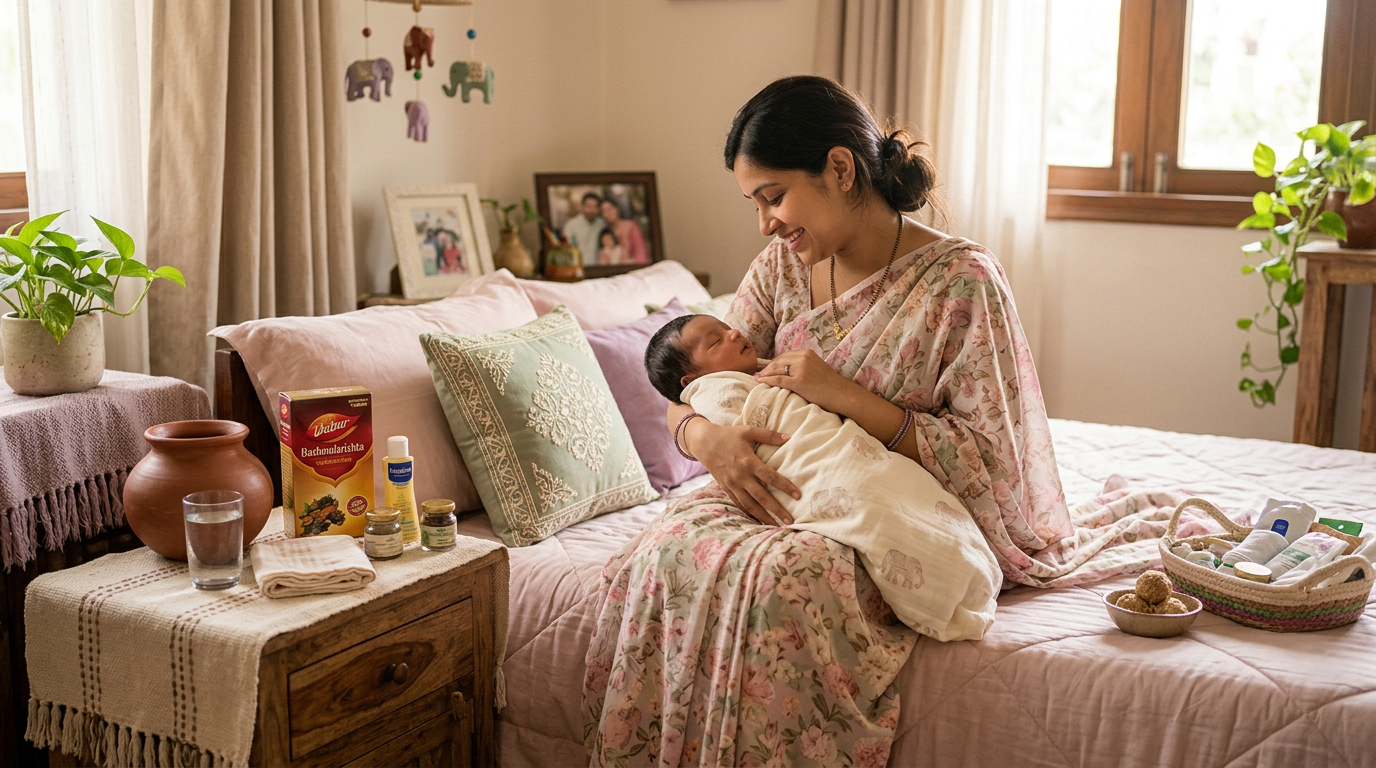
The first few weeks after birth—often called the Sutika period in India—are less about "getting your body back" and more about keeping your sanity intact while your organs rearrange themselves. Choosing the right postpartum recovery products is the difference between crying because you’re overwhelmed and crying because your stitches are actually hurting. In the Indian context, where your Sasu Maa might suggest a tightly wrapped saree and you’re eyeing a modern postpartum belt, finding a middle ground is key for healing.
What are the most essential postpartum recovery products for Indian moms?
In the immediate 48 hours after delivery, your needs are clinical. Whether it was a vaginal birth or a C-section at a hospital like Apollo or Max, the "hospital bag" essentials provided are often basic. To truly support your body, you need a curated postpartum kit that addresses the three big 'B's: Bleeding, Belly support, and Breast comfort.
1. High-Absorbency Maternity Pads (The Heavy Lifters)
Standard sanitary napkins do not stand a chance against lochia (postpartum bleeding). You need designated maternity pads that can handle high volume without bunching.
* Brands to look for: Pee Safe, Nobel Hygie, or Rael. Ensure they are BIS-certified for skin safety.
* Pro-Tip: Use a lochia analyzer to track if your flow is slowing down at a healthy rate.
* The "Vadhini" Method: Many traditional households use old cotton sarees or dhotis. While eco-friendly, they lack the moisture-wicking properties of modern pads, increasing infection risks. Stick to disposable maternity pads for at least the first 10 days.
2. Disposable Maternity Underwear
Forget your fancy lace pairs for a month. Disposable mesh or cotton-blend underwear prevents you from ruining your good clothes and holds heavy pads securely in place. If you’ve had a C-section, look for high-waisted versions that sit well above your incision line.
3. The Great Indian Postpartum Belt (Abdominal Binder)
The debate between a traditional mulmul cloth wrap and a modern postpartum belt is a long one. A 3-in-1 adjustable belt offers better ergonomic support for your lower back and helps stabilize the pelvic floor.
* Price Range: Good quality belts in India range from ₹800 to ₹2,500.
* Caution: Don't wear it 24/7. Your core muscles need to learn to work again. Use our free diastasis recti self-check before starting any heavy compression.
Managing Pain and Stitches: C-Section vs. Vaginal
Your postpartum recovery products list will change based on your delivery method.
For Vaginal Birth (Sitz Bath & Peri-Bottles)
An episiotomy or natural tear needs "bottom" care.
Sitz Bath Tub: A plastic basin that fits over your toilet commode. Adding warm water with a bit of Betadine (as per your doctor's advice) can work wonders for perineal* healing.
* Peri-Bottle: An angled squirt bottle to keep the area clean without wiping, which can irritate stitches.
For C-Section (Scan Care & Silicon Sheets)
* Silicone Gel Sheets: Once the staples are out, these help minimize scarring.
* Incision Support: A C-section specific abdominal binder provides a "shield" against accidental bumps from the baby. You can use our scar analyzer to monitor how your incision is knitting together.
The "Maalish" and Nutrition Essentials
Postpartum in India is incomplete without the Japa maid or a trusted family member performing the daily maalish.
Massage Oils: While many use Mustard oil (Sarson) or Coconut oil, look for Ayurvedic blends containing Ashwagandha or Dhanwantharam Thailam* to soothe aching joints. Ensure the oil is cold-pressed and free from synthetic fragrances.
Lactation Aids: If you are starting your stanpaan* (breastfeeding) journey, keeping a nipple butter (lanolin-free versions like MamaEarth or The Moms Co are popular) is vital.
The "Gond Ka Laddu" Index: While not a "product" you buy at a pharmacy, nutritional recovery is part of the kit. Ingredients like Ajwain, Gond, and Methi* are backed by the National Institute of Nutrition (NIN) for their galactagogue and digestive properties.
Real talk from Indian moms
> "I thought I just needed pads. I didn't realize my back would feel like it was breaking from breastfeeding posture. The postpartum belt and a proper nursing pillow saved me."
> — Ananya S., Bengaluru (Mom to 3-month-old)
> "Don't skip the sitz bath. My Dadi insisted on it with warm neem water, and honestly, the relief for my stitches was better than any painkiller."
> — Meher V., Chandigarh (Mom to 5-month-old)
Must-Have Items for your Postpartum Kit
If you are building your postpartum essentials list, check off these India-specific items:
* Feeding Nighties/Kurti: Look for concealed zips.
* Copper Water Bottle: To stay hydrated (Tamra Jal is traditionally believed to help with detoxification).
* Stool Softeners: The first postpartum poop is legendary for being terrifying. Ask your doctor for a syrup like Cremaffin.
* Witch Hazel Pads: Not as common in local kirana stores, but available on Amazon.in—great for hemorrhoid relief.
When to call your doctor (Red Flags)
While you focus on postpartum recovery products, keep an eye on these clinical warning signs:
Postpartum Wellness and Future Planning
Recovery isn't just about the first six weeks; it's a "fourth trimester" that lasts three months. Investing in a Postpartum Wellness Package can provide the structural support your body needs to transition from "emergency healing" to long-term strength.
Whether you are using a postpartum kits for moms or DIY-ing your kit with items from the local chemist, remember that your comfort is the priority. A happy, comfortable mother is much better equipped to handle the 2 AM colic sessions. Speaking of which, if your baby is crying inconsolably, our AI cry analyzer might help you distinguish between a hunger cry and a gassy one.
Healing is a marathon, not a sprint. Take the ajwain water, wear your supportive belt, and give your body the grace it deserves for growing a whole human.
You are doing a great job, Ma. Your body knows how to heal; you just have to give it the right tools.
Frequently Asked Questions
What should be in a postpartum kit?
A complete kit should include high-absorbency maternity pads, disposable underwear, a peri-bottle, sitz bath salt, nipple cream, and a supportive postpartum belt. For Indian moms, adding Ajwain sachets for tea and a high-quality massage oil like Dhanwantharam Thailam is also recommended.
How do I choose the best postpartum recovery products for a C-section?
Focus on high-waisted underwear that doesn't rub against the incision, silicone scar sheets, and a soft abdominal binder. Avoid heavy lifting and ensure your products are reachable without bending down.
Are postpartum kits for moms really necessary?
While you can buy items individually, a pre-assembled postpartum kit ensures you aren't sending your husband to the pharmacy at midnight for specialized items like cooling pads or perineal foam. It offers peace of mind.
When can I start using a postpartum belt after birth?
For a vaginal delivery, you can often start within 24-48 hours. For a C-section, wait until your doctor gives the green light, usually after the staples are removed or around the 2-week mark. Always ensure the belt isn't too tight to allow for proper circulation.
Do I need special postpartum essentials for breastfeeding?
Yes, including nursing bras, breast pads (to prevent leaking onto clothes), and a soothing nipple butter. If you experience engorgement, hot/cold gel packs are also essential additions to your recovery kit.
Is it safe to use traditional herbal pastes on C-section scars?
No. Avoid putting anything other than doctor-prescribed ointments or sterile dressings on a C-section incision until it is completely closed and scarred over. Traditional "lep" or pastes can cause severe infections in deep surgical wounds.
Sources & further reading
- FOGSI Postpartum Care Guidelines
- National Institute of Nutrition (NIN) - Maternal Nutrition
- Indian Academy of Paediatrics (IAP) - Postnatal Care
Written by Dr. Ritu Sharma, MD (Obstetrics & Gynaecology)
Reviewed by TheMamaCircle Editorial Team
Last updated: 23 July 2026
This article is for general information only and is not a substitute for personalised medical advice. Always consult your paediatrician or obstetrician for your specific situation.