Safe Exercises During Pregnancy India: Trimester Guide &
Safe exercises during pregnancy India guide: Master prenatal yoga & walking by trimester. Practical tips for Indian climates and "Auntie-approved" advice. Use movement to feel strong!
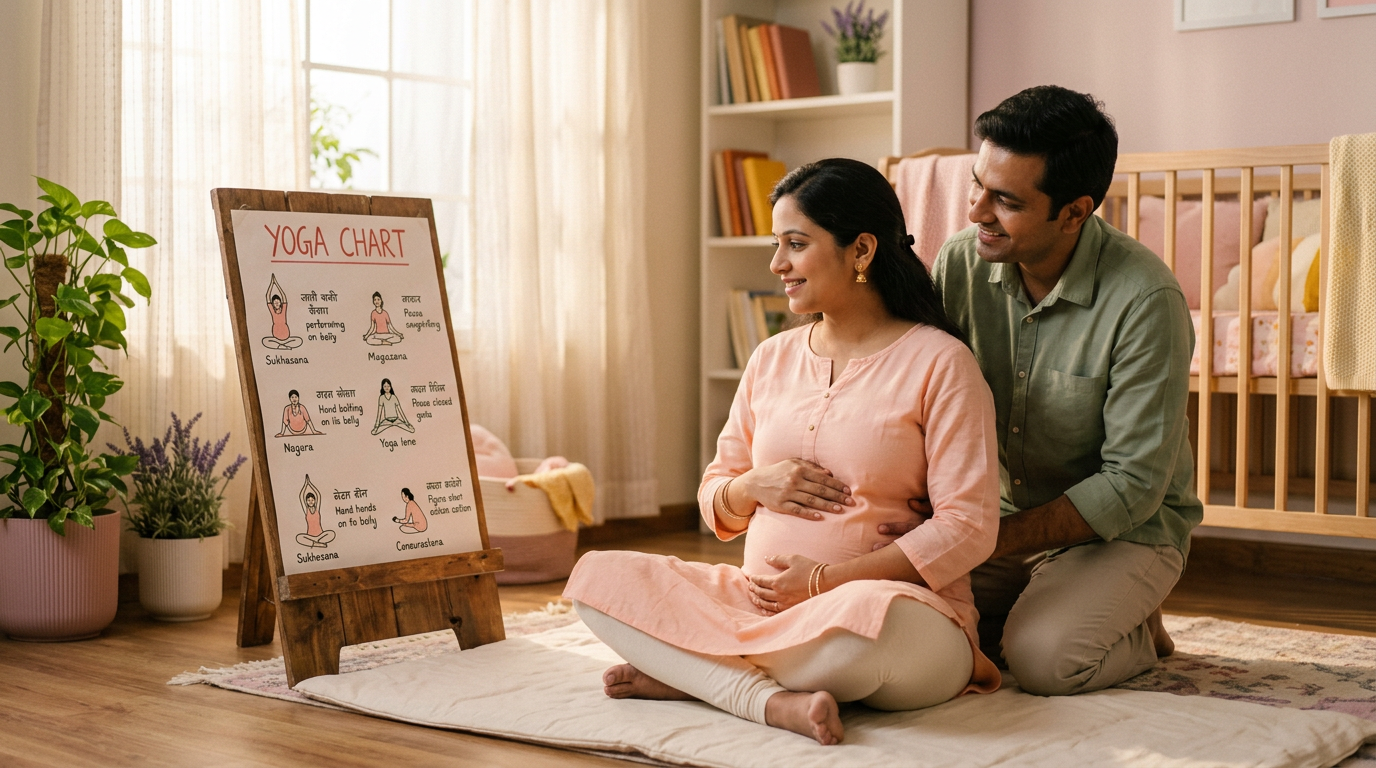
At 14 weeks pregnant with my first, I remember standing in the middle of a bustling Dadar market, feeling out of breath just from carrying a bag of Alphonso mangoes. My mother-in-law immediately told me to sit down and "not lift a finger," while my doctor in Bandra told me I needed to stay active to avoid gestational diabetes. The truth is, safe exercise during pregnancy in India is not only possible but recommended, provided you adapt your movement to your changing body and our unique climate.
Staying active helps manage back pain, improves sleep, and builds the stamina you’ll need for labour. Whether it’s a brisk morning walk before the heat hits or gentle prenatal yoga asanas, the goal is "maintenance, not marathon training."
Is exercise safe in every trimester?
Yes, for most low-risk pregnancies, daily movement is the gold standard. The Indian Academy of Paediatrics and global health bodies suggest at least 150 minutes of moderate-intensity aerobic activity per week. However, "moderate" looks different when you’re growing a human. A good rule of thumb is the "Talk Test": you should be able to hold a conversation while exercising. If you’re gasping for air, slow down.
> Mama-to-mama Real Talk: Let’s be honest—some days the only "exercise" you’ll manage is walking from the sofa to the fridge for more dahi. That is okay. In the first trimester, when nausea (morning sickness that lasts all day!) hits, don’t force a HIIT workout. Listen to your body, not your fitness tracker.
Trimester 1: Laying the Foundation (0–13 Weeks)
The first trimester is often about survival. You might feel exhausted or constantly nauseous. This isn't the time to start a brand-new, high-impact sport, but it is the perfect time to establish a walking routine.
Best Exercises:
* Walking: 20–30 minutes in the early morning or late evening to avoid the Indian sun. Wear supportive footwear—flimsy chappals won't cut it as your centre of gravity begins to shift.
Gentle Yoga: Focus on breathing (Pranayama) like Anulom Vilom* to calm the nervous system. Avoid deep twists that compress the abdomen.
* Pelvic Floor (Kegels): Start these now. Think of them as internal "maalish" for your muscles.
What to Avoid:
* Overheating is your biggest enemy in Trimester 1. If you live in a humid city like Chennai or Kolkata, exercise in an AC room or very early in the morning.
* Contact sports or anything with a high risk of falling (like cycling on busy Indian roads).
Trimester 2: The "Golden" Phase (14–27 Weeks)
Most Indian moms feel a burst of energy now. Your "glow" is here, and the nausea has (hopefully) subsided. This is the best window to build strength.
Focus on Prenatal Yoga:
Yoga is culturally rooted for us, but "Prenatal Yoga" is a specific modification.
* Marjaryasana-Bitilasana (Cat-Cow Stretch): Amazing for relieving the pressure on your spine as your belly grows.
* Tadasana (Mountain Pose): Helps with posture. Many of us start to "slouch" to compensate for the weight in front.
* Baddha Konasana (Butterfly Pose): This is a classic in Indian households for a reason—it opens the hips. Aim for 2–3 minutes of active fluttering daily.
Walking Strategy:
Switch from a stroll to a "purposeful walk." If you’re using a treadmill at a gym (like Cult.fit or a local society gym), keep the incline flat. Your joints are becoming looser due to a hormone called relaxin, making you more prone to sprains.
> Real Talk: You will hear "Don't stretch too much, the baby will get tangled!" from well-meaning aunties. Ignore the myth. Gentle stretching is what prevents those 3 a.m. leg cramps that make you scream.
Trimester 3: Preparing for the Big Day (28–40 Weeks)
Now, we focus on mobility and "opening." You might feel like a heavy matka, and your gait might turn into a waddle.
Mobility over Cardio:
* Squatting (Malasana): If your doctor hasn't flagged a low-lying placenta (Placenta Previa), wide-legged squats are your best friend. Use a sturdy chair or the edge of a bed for balance. This mimics the traditional way our grandmothers used to sit while cleaning grains, and it’s excellent for pelvic floor prep.
* Wall Stretches: Standing with your back against a wall and doing "snow angels" with your arms helps open the chest, which gets tight as your breasts grow.
Walking in the Home Stretch:
Short, frequent walks are better than one long one. A 10-minute walk after lunch and dinner helps with the inevitable pregnancy acidity and heartburn.
Real Talk from Indian Moms
"I was terrified to move because of two previous miscarriages. My doctor finally cleared me for walks in the second trimester. Walking around my society park in Noida not only helped my physical health but kept my anxiety in check. I just made sure to carry a bottle of infused nimbu-paani everywhere."
— Ananya, 31, Noida (Mom to a 6-month-old)
"I did prenatal yoga till week 38. The breathing techniques (Pranayama) were the only things that kept me sane during my 18-hour labour at the hospital. My Sasu Maa was shocked I could still touch my toes!"
— Megha, 29, Bengaluru (Mom to a 1-year-old)
When to call your paediatrician (or Obstetrician)
Stop exercising immediately and call your doctor if you experience:
* Vaginal bleeding or leaking fluid: This is an immediate red flag.
* Dizziness or feeling faint: Could indicate low blood pressure or anaemia.
* Chest pain or severe headache: Don't "wait and see."
* Reduced foetal movement: If the baby isn't kicking as usual after you've cooled down and had a snack.
* Calf pain or swelling: This could be a sign of a blood clot (DVT), especially after long periods of sitting or if you've been inactive.
Frequently Asked Questions
Can I do Surya Namaskar during pregnancy?
Modified Surya Namaskars are great, but avoid the "Chaturanga" or belly-down positions after the first trimester. Use a chair for support or do "Wall Surya Namaskars." Never jump between poses; step slowly.
Is it safe to climb stairs in my apartment building?
In a low-risk pregnancy, stairs are fine and actually good for the heart. However, in the third trimester, your "bump" might block your view of your feet. Always hold the railing and take it one step at a time.
Can I use a belly belt while walking?
Yes! Maternity support belts (like those from brands like Mama Terra or Newgel) are excellent for providing "lift" and reducing pelvic pressure during walks, especially if you’re carrying heavy.
What should I eat before exercising?
Never exercise on an empty stomach (it triggers nausea) or a very full one (heartburn). A small banana, a handful of soaked almonds, or a piece of whole-wheat toast with a little ghee is perfect 30 minutes before your walk.
Is it okay to do "Ghar ka kaam" as exercise?
While sweeping and mopping (jhaadu-pocha) involve movement, they aren't "aerobic exercise" because they often involve strained postures. Count purposeful walking or yoga as your "me-time" exercise, and treat housework as incidental movement.
Movement during these nine months isn't about "losing weight" or "bouncing back." It’s about feeling strong in a body that is doing the miraculous work of building life. Treat your daily walk as a date with your baby.
You’ve got this, Mama. Just keep breathing.,excerpt:
Sources & further reading
- Indian Academy of Pediatrics — Physical Activity Guidelines for Children and Adolescents (with Maternal implications)
- FOGSI — Good Clinical Practice Recommendations on Antenatal Care
- WHO — Physical activity during pregnancy and postpartum
- NIN Hyderabad — Dietary Guidelines for Indians (Maternal Nutrition & Activity)
Written by Priya Raman, Certified Prenatal Yoga Instructor & Mama of two
Reviewed by TheMamaCircle Editorial Team
Last updated: 19 May 2026
This article is for general information only and is not a substitute for personalised medical advice. Always consult your paediatrician or obstetrician for your specific situation.