Japa Diet After Delivery: Sawa Mahina Food Guide for New Moms
What is the japa diet? A sawa mahina (40-day) postnatal food guide — what to eat and avoid after delivery to heal faster and support milk supply, without the guilt.
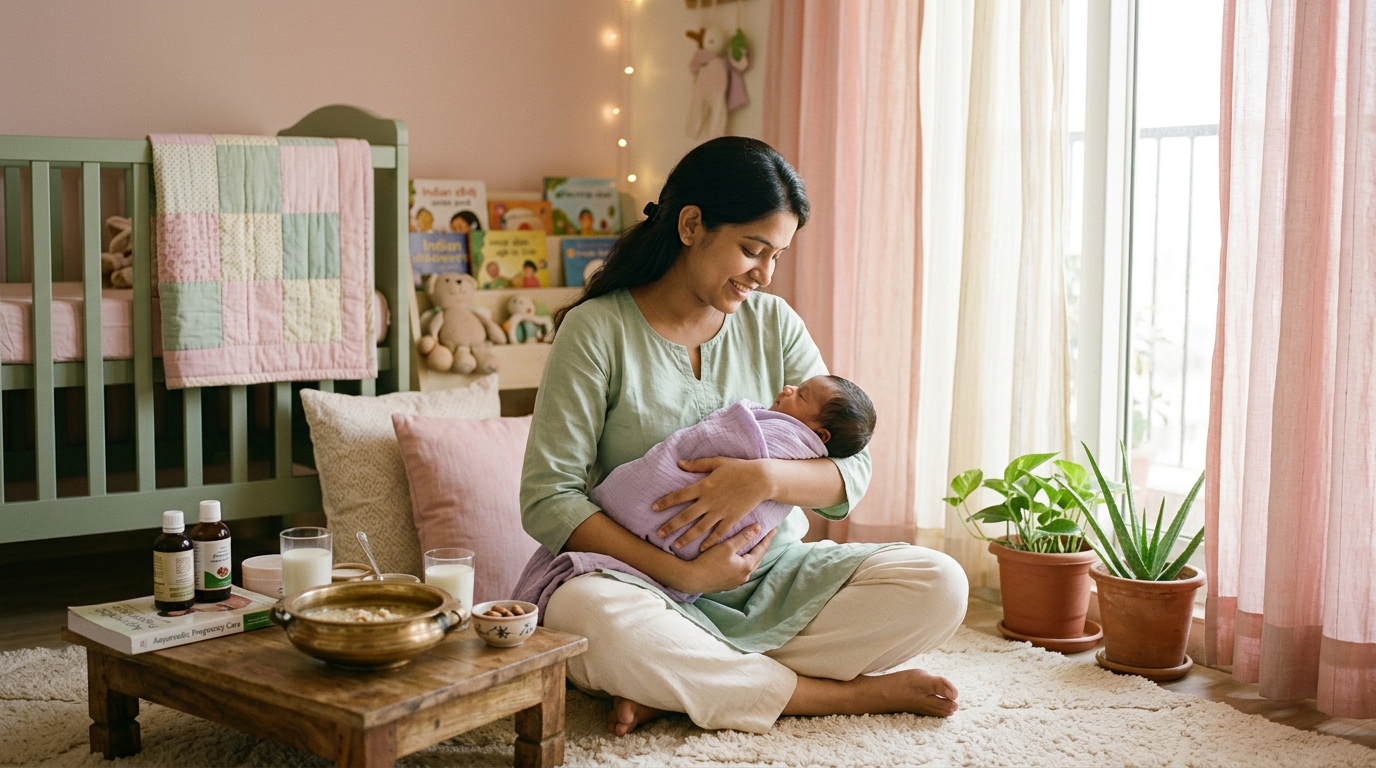
From Gond Ke Laddoo to Oat Milk: Your Realistic Postpartum Recovery Diet
Hi Mama! First of all, a huge hug to you. You’ve just done something incredible—you brought a tiny human into this world. Whether you had a normal delivery or a C-section, your body has basically just run a 42km marathon while simultaneously building a whole person.
I know exactly how you feel right now. You’re likely sitting on your bed, nursing your little one, feeling a mix of overwhelming love and "oh-my-god-I’m-exhausted." You’re probably also being bombarded with advice. Your mother-in-law wants you to eat pure ghee by the bowlful, your WhatsApp group is talking about keto for weight loss, and your own cravings are stuck somewhere between dal-chawal and a spicy pizza.
Let’s cut through the noise. Postpartum nutrition in India is a mix of ancient science and modern wisdom. You need to heal your tissues, boost your energy, and—if you are breastfeeding—ensure a steady supply of milk.
Here is your "no-nonsense" guide to eating for recovery, tailored for our Indian kitchens.
The Big Three: What Your Body Needs Right Now
Before we get into specific foods, remember these three pillars:
The 'Must-Haves' for Your Desi Kitchen
In India, we have a beautiful tradition of Japa (the 40-day recovery period). While some old rules are a bit much, many are based on solid nutrition.
#### 1. The Magic of Galactagogues (Milk-Boosters)
If you’re worried about supply, these are your secret weapons:
Fenugreek (Methi): Whether it's methi nani or adding seeds to your tadka*, it’s a proven winner.
Fennel Seeds (Saunf): Great for digestion (for both you and the baby) and milk supply. Keep a small jar of roasted saunf* by your bed.
Garlic: A traditional favorite. A little extra garlic in your dal or subzi* works wonders.
* Oats: Not traditionally Indian, but deeply loved by modern moms. A bowl of Masala Oats or Oats Porridge with milk is a fantastic breakfast.
#### 2. The Traditional Superfoods
* Gond Ke Laddoo: Yes, they are calorie-dense, but that edible gum is excellent for bone health and providing the energy you need for those 2 AM wakings. Stick to one a day.
* Panjiri: A mix of whole wheat flour, ghee, makhana, and dry fruits. It’s the ultimate "healing" snack.
Haldi Doodh: Turmeric is anti-inflammatory. A cup of warm milk with haldi* before bed helps with internal healing.
#### 3. Hydration with a Twist
* Ajwain Water: Boiling carom seeds in water and sipping it throughout the day helps with bloating and "shrinking the uterus" as our elders say.
* Coconut Water: Great for electrolytes, especially in the Indian heat.
A Sample Indian Postpartum Meal Plan
This isn't a "diet" to lose weight—it's a plan to make you feel strong.
* Early Morning (6:00 AM): 5 soaked almonds, 2 walnuts, and a glass of warm water.
* Breakfast (8:30 AM): Ragi Dosa, Moong Dal Chilla with paneer stuffing, or a bowl of Dalia with lots of veggies.
Mid-Morning (11:00 AM): One Gond ka Laddoo* or a seasonal fruit (like Papaya - great for digestion!).
Lunch (1:30 PM): A small bowl of brown or white rice/2 Phulkas with a generous amount of Ghee, a bowl of yellow Moong Dal, and a side of Lauki or Torai* (gourd veggies are hydrating and easy to digest).
* Evening Snack (4:30 PM): Roasted Makhana or a cup of Fennel tea with two digestive biscuits.
* Dinner (7:30 PM): Keep it light. Vegetable Khichdi or a warm bowl of Chicken/Lentil soup.
Before Bed (9:30 PM): A glass of warm milk with a pinch of Nutmeg (Jaiphal*) to help you sleep better between feeds.
What to Skip (Or At Least Limit)
I’m not a fan of "forbidden foods," but for the first 6-8 weeks, your digestive system is sensitive.
A Note on C-Section Recovery
If you’ve had a C-section, your priority is protein and Vitamin C. You need to heal that incision.
* Foods like Oranges, Guavas, and Amla are great for Vitamin C.
* Avoid lifting heavy weights, and don't rush to "lose the belly" with restrictive diets. Your body needs calories to knit those layers of tissue back together.
"Will I ever lose the weight?"
Mama, I hear you. You see influencers on Instagram looking "snatched" two weeks after birth. Please, put your phone down.
It took nine months to grow a human; it will take at least that long for your body to find its new normal. Focus on nourishment over restriction. If you eat well, stay hydrated, and do gentle walks once your doctor clears you, the weight will eventually shift.
Final Thoughts from TheMamaCircle
You are doing a great job. Whether you’re eating ragi ka halwa made by your mother-in-law or ordering a healthy salad, the goal is the same: a healthy you for a happy baby.
If you're feeling overwhelmed, just remember: Dal, Chawal, Ghee, and Water. If you get these four right, you’re already winning.
Take it one meal at a time. You've got this! ❤️
Disclaimer: Always consult with your OB-GYN or a certified nutritionist before making major changes to your diet, especially if you have gestational diabetes or other medical conditions.☀️