Winter Newborn Care in India: Keeping Baby Warm Without
From layering rules to safe room heaters, *sarson oil* debates, and recognising winter dehydration — a Delhi-to-Bangalore guide to caring for a newborn through Indian winters.
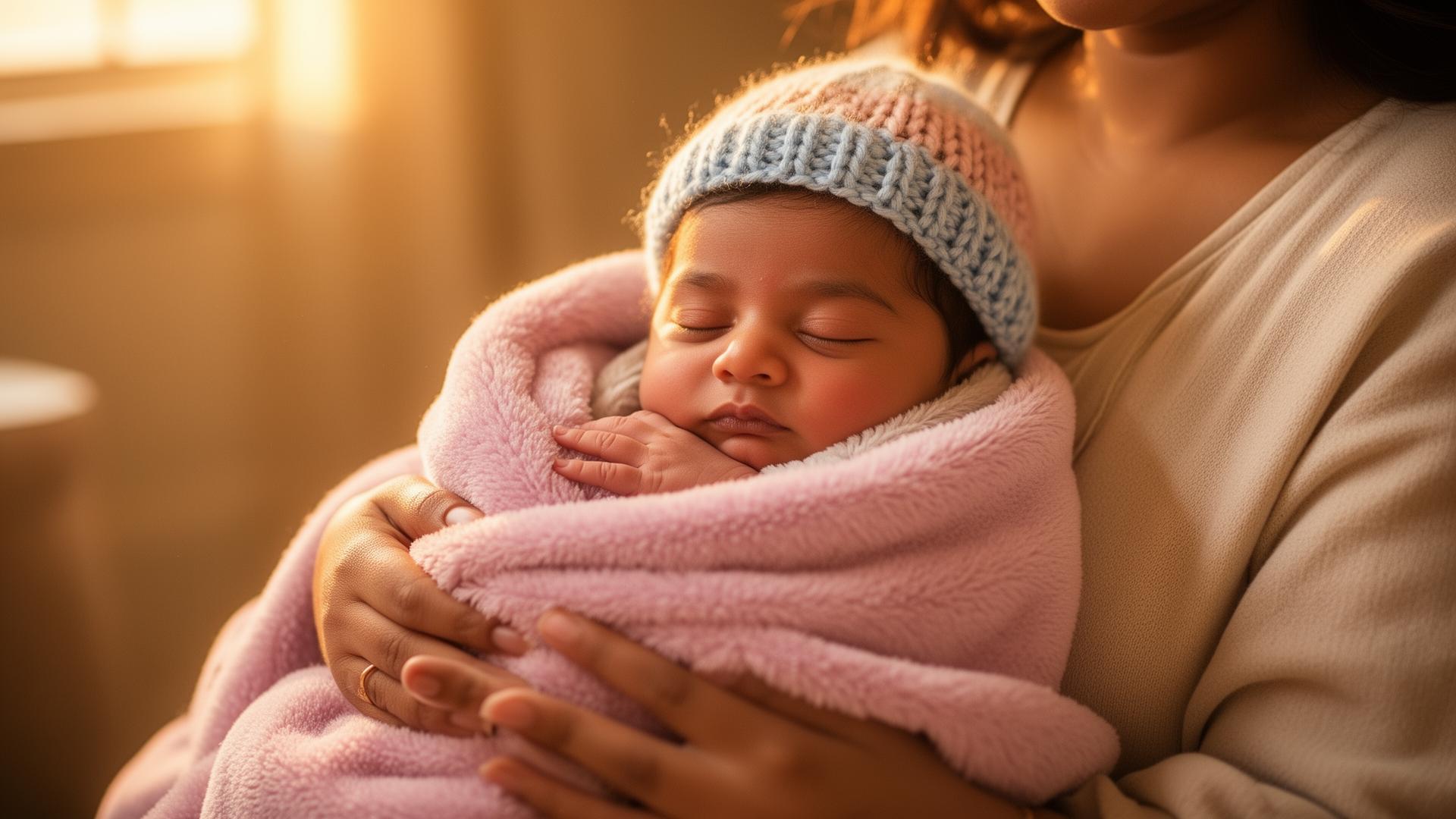
I remember the first winter with my little one. The crisp Delhi air had set in, and all I wanted to do was wrap him in a fluffy blanket and never let go. The world outside felt too big and too cold for his tiny, perfect body. Every sneeze, every shiver sent my heart into a panic. If you’re a new mama, I know that feeling all too well – a mix of overwhelming love and a constant low-level anxiety about getting it all 'right'.
Winter newborn care in India isn't a one-size-fits-all formula. It's about finding that sweet spot between a warm, cosy nest and an overheated, fussy baby. So, let’s get you a cup of hot adrak chai (ginger tea), snuggle in, and talk about how to navigate your baby’s first winter like a pro.
The Indian Winter Reality: Delhi vs. Mumbai vs. Bangalore
First things first, "winter" in India is a very relative term! Your baby's wardrobe and care routine will look vastly different depending on where you live.
* The Northern Chill (Delhi, Chandigarh, Lucknow): This is the real deal. Temperatures can dip into single digits, and the air is dry and harsh. Here, you're playing in the major leagues of winter care. Think full-body thermal wear as a base layer, followed by a soft cotton sleepsuit, and then a woollen or fleece jacket or sweater. A cap, mittens, and socks are non-negotiable, even indoors. The goal is to trap body heat effectively.
* The Coastal Cool (Mumbai, Chennai, Goa): Winter here is more of a pleasant whisper than a biting shout. The humidity keeps things from getting too dry. You can safely ditch the heavy woollens. A long-sleeved cotton onesie or a light sleepsuit is often enough during the day. At night, you might add a light cotton blanket or a muslin swaddle. Overdressing is a bigger risk here than the cold itself.
* The Plateau Pleasantry (Bangalore, Pune): Bangalore winters are famous for being deceptively chilly, especially in the evenings and early mornings. The days might be sunny and pleasant, but the temperature drops significantly at night. This is where layering shines. A cotton vest, a full-sleeved T-shirt, and soft pants work well, with a light jacket or sweater handy for when the sun goes down. A cellular blanket or a sleep sack with a low TOG rating is perfect for nights.
The Layering Rule: How Many Layers Does Baby Actually Need?
The golden rule, recommended by paediatricians worldwide, is simple: dress your baby in one more layer than you are comfortably wearing.
So, if you’re comfortable in a t-shirt and a light sweater, your baby likely needs a cotton vest, a t-shirt, and a light sweater. The innermost layer should always be something soft and breathable like cotton to avoid irritating their delicate skin.
But how do you know if you’ve overdone it? Forget feeling their hands and feet – they are often naturally cooler. Instead, check the back of their neck or their tummy.
Signs of Overheating:
* A sweaty or damp neck/back
* Flushed, red cheeks
* Rapid breathing
* Restlessness or fussiness
* A heat rash (tiny red pimples)
If you notice these, remove a layer immediately. Overheating is not just uncomfortable; it’s also a risk factor for SIDS (Sudden Infant Death Syndrome).
Safe Heating: Room Heaters, Blowers & the Carbon Monoxide Risk
Keeping the room temperature stable (between 24-26°C) is key. While many of us grew up with roaring blowers, they aren't the best choice for newborns as they drastically reduce humidity, leading to dry skin, stuffy noses, and irritated throats.
* Oil-Filled Radiators: These are the safest and most recommended option. Brands like Usha or Bajaj offer models (around ₹7,000-₹10,000) that heat the room gently and evenly without burning oxygen or reducing humidity too much. They take longer to warm up but provide a consistent, comfortable heat.
* Heat Convectors/Blowers: If you must use one, use it sparingly. Don't point it directly at the baby.
The Carbon Monoxide Danger: NEVER use traditional heaters that burn fuel, like coal angeethis*, kerosene heaters, or gas heaters, inside a closed room. They release carbon monoxide (CO), a colourless, odourless gas that can be fatal. Proper ventilation is absolutely crucial. Even with an electric heater, it's a good idea to air out the room for a few minutes every day.
Pro-Tip: Place a bowl of water in the corner of the room or invest in a simple humidifier (like those from Crane or Vicks, starting around ₹2,500). It will add moisture back into the air, making it easier for your baby to breathe and preventing their skin from drying out.
The Great Oil Debate: Sarson, Coconut, or Almond?
The daily maalish (massage) is a cherished Indian ritual, especially during the postpartum jaappa period. It's wonderful for bonding, circulation, and calming your baby. But which oil to use in winter?
Mustard Oil (Sarson ka Tel): Grandmas swear by its warming properties, often infused with garlic (lehsun) or carom seeds (ajwain*). Traditionally, it's believed to improve blood circulation and keep the baby warm. However, the Indian Academy of Pediatrics (IAP) advises caution, as raw mustard oil can be harsh and cause allergic reactions on a newborn's extremely sensitive skin.
* Coconut Oil: Often considered a 'cooling' oil, it’s a fantastic moisturiser and has antimicrobial properties. In milder winters (like in Mumbai or Bangalore), it can be a great choice, especially for babies with eczema-prone skin.
* Almond Oil or Olive Oil: These are excellent, neutral choices rich in Vitamin E. They provide great lubrication for a massage without being too heavy.
The Expert Take: Most paediatricians recommend using a clinically tested, mineral-oil-free, and fragrance-free baby oil. Brands like Himalaya Baby Massage Oil (around ₹220 for 200ml), Mamaearth Soothing Massage Oil, or even the classic Dabur Lal Tel (which has a very strong traditional formulation, so patch test first!) are popular. Whichever you choose, always warm the oil slightly by rubbing it between your palms before applying it to your baby's skin.
Bath Time in Winter: Frequency, Water Temp & Quick-Dry Technique
The thought of bathing a tiny baby in winter can be nerve-wracking! But don't worry, you don't need to do it daily.
Frequency: A full bath 2-3 times a week is plenty. On other days, a simple top-and-tail wash with a soft cloth and warm water (sooth*) is sufficient to clean their face, neck, hands, and diaper area.
* Water Temperature: Test the water with your elbow or the inside of your wrist; it should feel comfortably warm, not hot. The ideal temperature is around 37°C.
* The Quick-Dry Technique: Preparation is everything!
1. Choose the warmest time of day (usually midday).
2. Keep the room warm and shut any windows to prevent drafts.
3. Lay out everything you need before you start: a soft, hooded towel (Mothercare and Mee Mee make lovely ones), a fresh diaper, a clean set of clothes, and moisturiser.
4. Keep the bath short and sweet—5 minutes is all you need.
5. As soon as you lift the baby out of the water, wrap them immediately in the hooded towel, covering their head.
6. Pat them dry gently, paying special attention to skin folds. Do not rub.
7. Apply a thick moisturiser, diaper them, and dress them quickly in their pre-laid-out clothes.
Winter Skin: Cradle Cap, Dry Patches & Eczema
Winter air zaps moisture from the skin, and your baby’s skin barrier is still developing. This makes them prone to a few common issues.
* Cradle Cap: Those flaky, yellowish scales on the scalp. It's harmless! Gently massage some coconut or almond oil onto the scalp, let it sit for 15-20 minutes, and then use a soft baby brush to loosen the flakes before washing with a mild shampoo.
* Dry Patches & Eczema: You might notice red, rough patches on their cheeks, elbows, or behind their knees. The key is to moisturise relentlessly. Use a thick, fragrance-free cream or ointment right after a bath to lock in moisture. Products like Sebamed Baby Cream Extra Soft (around ₹600 for 200ml), Aveeno Baby Daily Moisture Lotion, or Mamaearth Milky Soft Face Cream are excellent. For very stubborn, cracked patches, your doctor might recommend an ointment like Aquaphor.
> Real Mama Talk
> "My mother-in-law insisted on piling two heavy razais (quilts) on my 3-month-old, Arsh. She was convinced he'd freeze in the Ludhiana cold. I was so worried! I showed her an article about safe sleep and overheating risks. We compromised: we got him a 2.5 TOG sleeping bag from Mothercare. Now Arsh is warm, I'm not scared he'll suffocate, and Saasu-ma is happy he's 'packed' up warmly!"
> \- Simran, Ludhiana, mom to Arsh (3 months)
Recognising Winter Dehydration & RSV/Bronchiolitis Warning Signs
It's easy to miss dehydration in winter because babies don't sweat as obviously. But indoor heating and dry air can contribute. For exclusively breastfed babies, the best solution is to feed on demand. Your milk provides all the hydration they need.
Signs of Dehydration:
Fewer than 6 wet diapers in 24 hours. A disposable diaper like Pampers should feel heavy. A cloth langot* should be soaked.
A sunken soft spot on their head (taalu*).
* No tears when crying.
* Unusual drowsiness or lethargy.
Winter is also the peak season for respiratory illnesses like Bronchiolitis, often caused by the RSV virus. It's more serious than a common cold. Don't rely on home remedies or ghutti (herbal concoctions) if you see these signs; call your paediatrician immediately.
RSV/Bronchiolitis Red Flags (Seek Medical Help):
* Fast, shallow breathing.
* Nostrils flaring with each breath.
* The skin around their ribs and neck pulling in with each breath (chest retractions).
* A persistent, wheezing cough.
* Difficulty feeding due to trouble breathing.
* A bluish tint around the lips or fingernails.
Sleepwear: Sleeping Bags vs. Swaddles vs. Layered Blankets
The AIIMS and IAP strongly recommend against loose blankets in the cot for infants due to the risk of suffocation. So what are the safe alternatives?
* Swaddles: Perfect for newborns (up to 2-3 months, or until they show signs of rolling). A snug swaddle in breathable muslin or cotton (like those from Mylo Essentials) keeps them feeling secure without the risk of loose fabric over their face.
* Sleeping Bags/Sacks: These are the safest and best winter sleep solution. They are essentially wearable blankets that can't be kicked off or pulled over the head. They come in different TOG (Thermal Overall Grade) ratings.
* Simplified TOG: Think of it like a duvet's thickness. A 1.0 TOG is for milder rooms (20-24°C), while a 2.5 TOG is for colder winter rooms (16-20°C). Brands like Mothercare and Slumbersac have great options.
* Layered Blankets: If you must use a blanket, choose a lightweight, breathable one (cellular blankets are great). Place the baby with their feet at the foot of the cot, and tuck the blanket in firmly under the mattress on three sides, ensuring it only comes up to their chest.
Quick Checklist: What to Pack in Baby's Winter Outing Bag
* [ ] One extra full-sleeved inner vest and onesie.
* [ ] An extra pair of socks and mittens.
* [ ] A warm cap that covers the ears.
* [ ] A warm, but not too heavy, receiving blanket.
* [ ] A small tube of baby moisturiser for dry cheeks.
* [ ] Your baby's usual diaper-changing supplies.
* [ ] A small flask of warm water (for formula or cleaning up).
* [ ] A soft muslin cloth for spit-ups.
The Sunlight Window: Vitamin D & Safe Morning Sun Exposure
Don't hide from the sun all winter! A little bit of morning sunlight is the best source of Vitamin D, which is crucial for bone development. It's a wonderful time to combine it with a gentle massage.
The key is timing. In the harsh sun of North India, the 'sunlight window' is usually between 10 am and 11 am, when the air has warmed up a bit but the UV rays aren't at their peak. In the South, you can go out earlier, between 8 am and 9 am.
Expose your baby to the sun for about 10-15 minutes, with as much skin exposed as the temperature comfortably allows (maybe just their legs and arms). Make sure to protect their delicate eyes from direct sunlight.
Winter with a newborn is a time for slowing down, for extra cuddles, and for trusting your instincts. So snuggle up, trust your gut, and savour every warm, milky-scented cuddle. You're doing a wonderful job, Mama.
> 📚 This post is part of our Complete 0–3 Month Newborn Care Guide — your complete 0–3 month roadmap for Indian moms.