Best Soap for Newborn Baby in India — Safe Picks & pH Guide
Which soap is best for newborn baby? Compare the best soaps for newborns and infants in India, why pH 5.5 matters, ingredients to avoid, and safe bathtime routines.
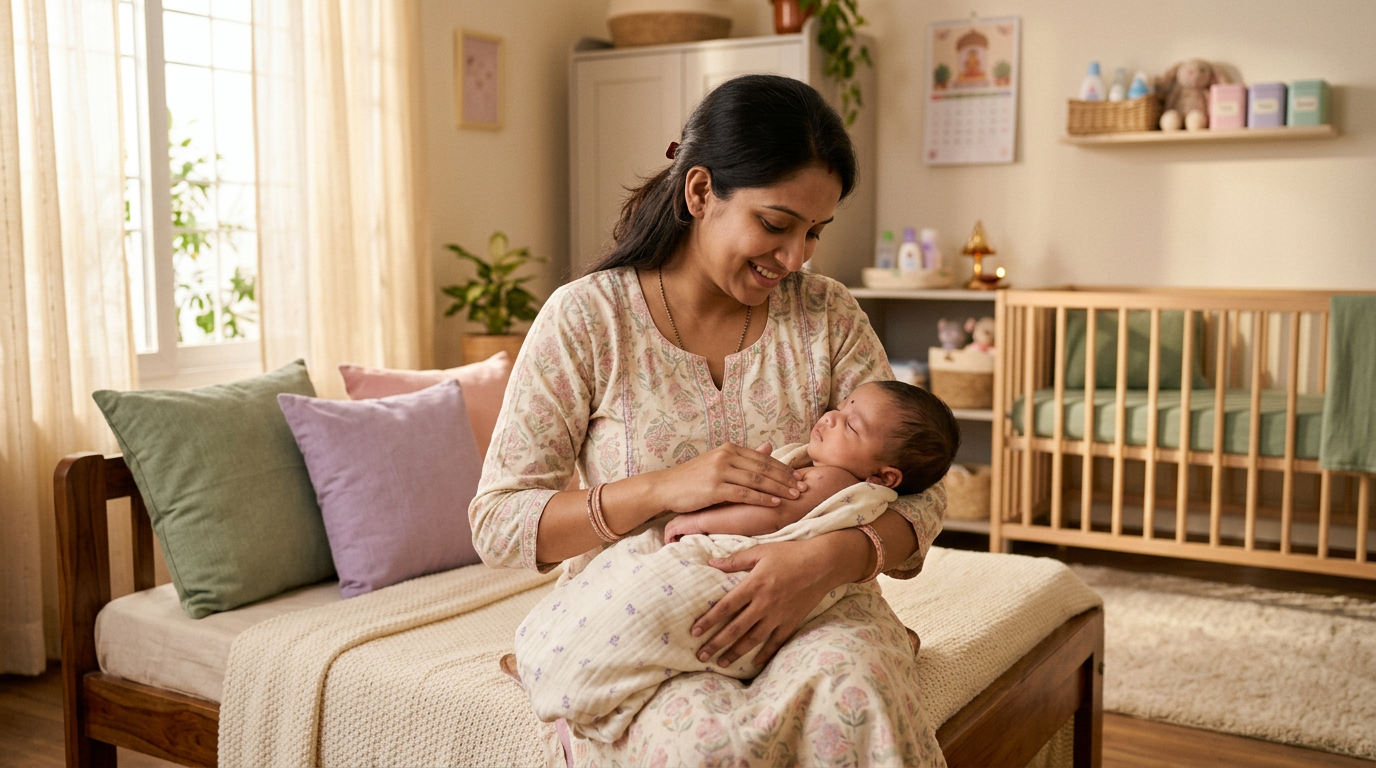
The hunt for the best soap for newborns ends with a simple truth: newborn skin is 30% thinner than ours and hasn’t fully developed its acid mantle. In the humid heat of Chennai or the dry winters of Delhi, your baby’s skin needs a cleanser that respects its pH of ~5.5. Forget the harsh 'luxury' soaps or the heavy 'ubtan' scrubs for the first few months. You need a syndet bar or a liquid cleanser that is fragrance-free, soap-free, and BIS-certified.
Why 'Baby Soap' Isn't Always the Best Soap for Newborns
While our dadi-nanis might swear by a piece of Lux or a generic 'white soap,' traditional soaps are alkaline (pH 9-11). Using these on a newborn disrupts the skin barrier, leading to transepidermal water loss. When the barrier breaks, you’ll find yourself searching for face cream for infants much sooner than expected because of the resulting dryness.
In India, we have a cultural obsession with 'fairness,' leading many families to use besan (gram flour) or haldi (turmeric) as a soap substitute. While natural, these can be incredibly abrasive for a 15-day-old infant. The best soap for newborns in the modern Indian context is actually a 'syndet' (synthetic detergent) bar that mimics the skin's natural acidity.
How to Choose: The Indian Mom’s Buying Checklist
When you are scanning the aisles at Apollo Pharmacy or browsing FirstCry, ignore the 'natural' and 'herbal' labels for a second and look for these specifics:
1. The pH Level
The ideal range is 5.5 to 7. Anything higher is too alkaline. Look for "pH balanced" on the packaging. This is crucial for preventing conditions like atopic dermatitis, which is on the rise in Indian urban centers.
2. IS 4707 Compliance
In India, the Bureau of Indian Standards (BIS) regulates cosmetic safety under IS 4707. Ensure the brand mentions compliance with Indian safety standards. Avoid any product that smells like a bouquet of roses; synthetic fragrances are the #1 cause of contact dermatitis in infants.
3. Practical Ingredients
* Glycerin: A humectant that pulls moisture into the skin.
* Syndet Base: Cleanses without stripping lipids.
* Vitamin E: Helps in skin healing, especially if there's minor peeling (which is normal in the first two weeks).
The Malish-Bath Routine: Avoiding Common Mistakes
In most Indian homes, the Maalish-wali (traditional massage woman) arrives, applies a litre of mustard oil or coconut oil, and then wants to scrub it off with a harsh soap. Stop right there.
If you use a heavy oil like sarson ka tel (mustard oil), it can be quite pungent and irritating. If the soap isn't strong enough to remove it, it clogs pores; if it is strong enough, it ruins the skin barrier. Stick to light virgin coconut oil and a mild liquid cleanser. After the bath, if your baby’s skin still feels tight, applying a face cream for infants is better than over-soaping the face.
Which is Better: Bar or Liquid?
This is a common debate in Indian households.
* Bar Soaps: Usually more concentrated and cost-effective (₹80–₹200 range). However, they can harbor bacteria if left sitting in a puddle of water in a plastic soap dish.
* Liquid Cleansers: Generally more hygienic and easier to dose. They are often less drying but more expensive (₹300–₹800 range).
For the first three months, many Indian paediatricians recommend liquid cleansers because they are easier to rinse off quickly—essential when you’re dealing with a slippery, crying baby in a mug-and-bucket bath setup.
Real Talk from Indian Moms
> "My sasu maa insisted on using a 'handmade' kesar soap she got from a temple town. Within two days, my daughter had tiny red bumps. I switched to a basic pharmacy syndet bar, and the newborn face rash cream we were using finally started working because we stopped the irritation at the source."
> — Riya, Mumbai (Mom to 4-month-old Kabir)
> "Living in Bengaluru, the hard water was making my baby's skin so dry. I realized the 'best soap' wasn't enough; I had to use a liquid cleanser and pat dry, never rub. It made a world of difference."
> — Ananya, Bengaluru (Mom to 6-month-old Ishani)
What About Traditional Alternatives?
If you are determined to use traditional methods, wait until the baby is at least 3-4 months old.
* Malai (Cream): Can be okay for very dry patches but can also trigger fungal issues in humid climates like Kolkata or Kerala.
* Milk Baths: Usually harmless but expensive and not very effective at removing sweat or diaper cream residue.
Ubtan: Save the besan-dahi-haldi* for the first birthday. A newborn's skin is too delicate for the physical exfoliation of grains.
When to Call Your Paediatrician
While finding the best soap for newborns is a priority, sometimes the skin issue isn't about the soap. Consult your doctor if you see:
* Pus-filled yellow blisters (potential staph infection).
* Cracked, bleeding skin or "weeping" rashes.
* Rashes accompanied by high fever or extreme irritability.
* A rash that doesn't improve after 3 days of using a newborn face rash cream.
* Swelling around the eyes or lips after a bath (allergic reaction).
Frequently Asked Questions
Can I use the best soap for newborns on the face?
Yes, but sparingly. Most newborns only need their faces wiped with plain water. If you must use soap, ensure it is a soap-free cleanser that is 'tear-free.' For any lingering dryness after washing the face, a thin layer of face cream for infants is recommended.
How often should I bathe my newborn in India?
In our climate, especially during the sweaty monsoon months or peak summer, a daily bath is common. However, the IAP (Indian Academy of Paediatrics) suggests that 2-3 times a week is sufficient in cleaner, indoor environments during winter. On other days, a 'sponge bath' focusing on the neck, armpits, and diaper area is enough.
What is the best newborn face rash cream for milk spots?
Milk spots (milia) usually don't need a newborn face rash cream; they clear up on their own. However, if the rash is red and itchy (infantile eczema), your doctor might prescribe a mild steroid or a thick emollient.
Is sunscreen for newborn babies necessary after a bath?
Generally, no. The WHO and various dermatological bodies recommend keeping infants under 6 months out of direct sunlight entirely. If you must go out, use physical barriers like umbrellas or hats. Using sunscreen for newborn babies is usually reserved for those older than 6 months unless specifically directed by a doctor.
Does "organic" soap mean it's the safest?
Not necessarily. In India, 'organic' is a loosely regulated term. An organic soap can still have a high pH or contain essential oils (like lavender or tea tree) that are too potent for a newborn's respiratory system and skin.
Is baby skin care different for girls and boys?
The basic physiology of the skin is the same. However, for girls, it is vital to ensure no soap residue enters the vaginal area, as this can cause irritation or pH imbalance. Always wash front-to-back.
Choosing the best soap for newborns is really about choosing the 'least' product possible. You want the fewest ingredients, the least scent, and the most science. Your baby's skin already has a perfect design; our job is simply not to get in the way of it.
Trust your instincts, keep the bath short, and remember: your baby's natural scent is better than any bottled fragrance.
Sources & further reading
- Indian Academy of Paediatrics (IAP) Skin Care Guidelines
- Bureau of Indian Standards - Cosmetics Safety
- World Health Organization: Child Health and Development
Written by Dr. Anjali Mehta, MBBS, DCH (Paediatrics)
Reviewed by TheMamaCircle Editorial Team
Last updated: 20 June 2026
This article is for general information only and is not a substitute for personalised medical advice. Always consult your paediatrician or obstetrician for your specific situation.