Foods to Eat to Get Pregnant: Indian Fertility Diet Guide
Want to boost fertility? Discover the top foods to eat to get pregnant, from leafy greens to full-fat dairy, and learn the best time to conceive after periods.
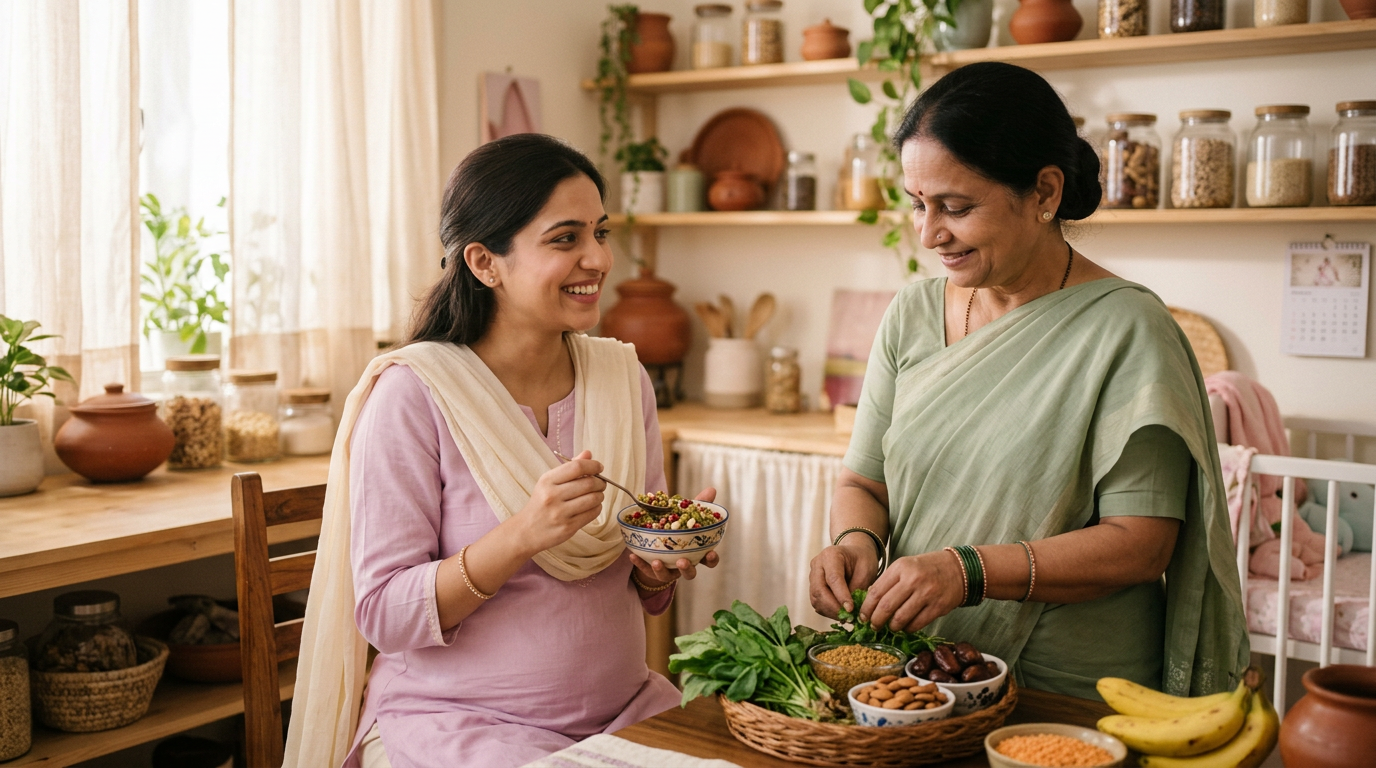
If you are planning to grow your family, your kitchen is the first pharmacy you should visit. Choosing the right foods to eat to get pregnant isn’t about a "miracle diet" but about optimizing your hormonal health, improving egg quality, and ensuring your uterine lining is ready for implantation. Focus on complex carbohydrates, plant-based proteins, and healthy fats while reducing processed sugars to create a fertile environment in your body.
Why Your Diet Matters for Conception
In my practice, I often tell couples that the journey to how to conceive starts three months before the actual act. This is because it takes roughly 90 days for an egg to mature before ovulation. What you eat today affects the quality of the egg you release three months from now. According to the Indian Council of Medical Research (ICMR), a balanced diet rich in micronutrients like folic acid, iron, and zinc significantly reduces the risk of ovulatory infertility.
7 Essential Foods to Eat to Get Pregnant (the Indian Kitchen Edition)
1. Leafy Greens (Palak and Methi)
The "Green Mother" of fertility. Greens are packed with folate (Vitamin B9), which is crucial for preventing neural tube defects and improving ovulation. In India, we have easy access to spinach, fenugreek, and mustard greens. Aim for at least two servings a day.
2. Legumes and Pulses (Dal and Chole)
Swapping animal protein for plant protein can decrease the risk of ovulatory infertility by over 50%. Whether it’s Moong Dal, Rajma, or Chana, these are rich in fiber and protein, helping regulate blood sugar levels—a key factor for those with PCOS.
3. Full-Fat Dairy (Malai Doodh and Curd)
While we often opt for "skimmed" versions for weight loss, fertility thrives on fat. Research suggests that high-fat dairy improves the chances of getting pregnant compared to low-fat alternatives. A bowl of full-fat dahi (curd) or a glass of whole milk provides the calcium and Vitamin D necessary for reproductive health.
4. Seeds and Nuts (Akhrot and Alsi)
Walnuts (Akhrot) are rich in Omega-3 fatty acids, which improve blood flow to the uterus. Flaxseeds (Alsi) and sunflower seeds are excellent for hormonal balance. Just a handful a day—roughly ₹10–15 worth of mixed seeds—can make a massive difference in your cervical mucus quality.
5. Complex Carbs (Jowar, Bajra, and Brown Rice)
Ditch the maida. Refined carbs cause insulin spikes that interfere with reproductive hormones. Switch to traditional Indian millets like Jowar or Bajra which keep your insulin stable and provide sustained energy.
6. Berries and Antioxidant-rich Fruits
Amla (Indian Gooseberry) is a powerhouse of Vitamin C and antioxidants. It protects your eggs from "oxidative stress." Other local fruits like pomegranate (Anar) are known to enhance blood flow to the pelvic region.
7. Healthy Fats (Ghee)
Don’t listen to the anti-fat craze. A teaspoon of pure Desi Ghee on your rotis provides the cholesterol needed to manufacture sex hormones like estrogen and progesterone. In ayurveda for conceiving, Phala Ghrita (medicated ghee) is often prescribed to nourish the shukra dhatu (reproductive tissues).
When is the Best Time to Conceive After Periods?
While eating the right foods to eat to get pregnant, you must also time your intimacy correctly. Many women ask about the best time to conceive after periods. Generally, your "fertile window" spans the five days leading up to ovulation and the day of ovulation itself. If you have a standard 28-day cycle, this usually occurs between day 11 and day 16. To get personalized dates, you can use our ovulation calculator to track your peak fertility days based on your last period.
The Role of Insulin and Fertility
Insulin resistance is a silent dream-crusher for many Indian women, particularly those struggling with PCOS. When you consume high-sugar foods, your body pumps out insulin, which can cause the ovaries to produce excess testosterone. This prevents ovulation. By focusing on the foods to eat to get pregnant listed above—specifically the high-fiber millets and lentils—you keep your insulin in check, allowing your body to ovulate regularly.
Real Talk from Indian Moms
> "I spent six months eating only salads and juices thinking I was being 'healthy,' but I wasn't conceiving. My dadi insisted I add ghee and full-fat milk back to my diet. Two months later, I got my positive! Don't fear the traditional fats." — Megha S., Bengaluru (Mom to a 4-month-old)
> "I focused heavily on an ovulation calculator india and tracking my temperature, but adding soaked almonds and walnuts every morning was the game changer for my energy and cycle regularity." — Priyanka R., Delhi (Mom to an 11-month-old)
Ayurveda and Ancient Wisdom (Garbha Sanskar)
In India, we have a rich tradition of Garbha Sanskar, which suggests that a mother's state of mind and nutrition during the pre-conception phase sets the blueprint for the baby. Ayurveda recommends avoiding Vata-aggravating foods like cold salads or dry crackers and opting for warm, "soupy," and grounding meals (Sattvic diet). If you are preparing your body, you might also find our pregnancy nutrition guide helpful for the next stage of your journey.
Essential Supplements to Discuss with Your Doctor
While you can get many nutrients from foods to eat to get pregnant, the FOGSI (Federation of Obstetric and Gynaecological Societies of India) recommends a daily supplement of 400mcg of Folic Acid starting at least one month before conception.
* Vitamin D: Most Indian women are deficient despite the sun.
* Iron: Necessary to prevent anaemia, which is prevalent in 50% of Indian women.
* B12: Especially critical for vegetarians.
When to Consult a Fertility Specialist
Conception is a journey, and sometimes diet isn't the only bridge you need to cross. You should seek medical advice if:
Red Flags: When to call your doctor
If you are already pregnant or in the middle of your journey, watch for these urgent signs:
* Sudden, sharp pelvic pain (could indicate ectopic pregnancy).
* Heavy vaginal bleeding.
* Severe dizziness or fainting.
* High fever (above 101°F) during your fertile window, which can affect egg quality.
Frequently Asked Questions
Which foods to eat to get pregnant quickly?
There is no single "fast" food, but a combination of plant proteins (lentils), full-fat dairy, and antioxidant-rich fruits like Amla or Pomegranate creates the best environment for quick conception.
What is the best time to conceive after periods?
The best time to conceive after periods is usually during your fertile window, which occurs 12 to 14 days before your next period starts. Start having intercourse every other day from Day 10 of your cycle.
How to conceive a baby boy through diet?
While some cultures suggest specific how to conceive a baby boy diets involving high potassium and sodium (like bananas and salted fish), there is no scientifically proven diet that guarantees the gender of the baby. Always prioritize a balanced, healthy diet over gender-specific myths.
Is there a specific ovulation calculator India women should use?
An ovulation calculator india helps track cycles that might be affected by local lifestyle factors like spicy diets or seasonal heat. You can use our ovulation calculator to accurately predict your most fertile days.
Can Ayurveda for conceiving help with egg quality?
Yes, ayurveda for conceiving emphasizes "Agni" (digestive fire). By eating warm, cooked foods and using herbs like Ashwagandha and Shatavari under guidance, you can improve overall reproductive vitality.
Should I stop drinking tea and coffee?
You don't have to stop completely, but limit caffeine to less than 200mg a day (about two small cups of chai). High caffeine intake has been linked to a longer time to conceive.
Remember, your body is a temple, not a testing lab. Feed it with love, nourish it with whole foods, and give yourself the grace to enjoy the process. You are already doing a great job by being proactive about your health.
Chinta chhodo, nutrition pe dhyan do. (Stop worrying, focus on nutrition.)
Sources & further reading
- ICMR - Dietary Guidelines for Indians
- FOGSI - Pre-conceptional Care Guidelines
- NHP India - Fertility and Nutrition
Written by Dr. Ritu Sharma, MD (Obstetrics & Gynaecology)
Reviewed by TheMamaCircle Editorial Team
Last updated: 27 July 2026
This article is for general information only and is not a substitute for personalised medical advice. Always consult your paediatrician or obstetrician for your specific situation.