Hospital Bag Checklist: The Ultimate Indian Delivery Guide
The ultimate hospital bag guide for Indian moms. Pack your maternity bag with essentials for baby, C-section tips, and labor must-haves for a smooth delivery.
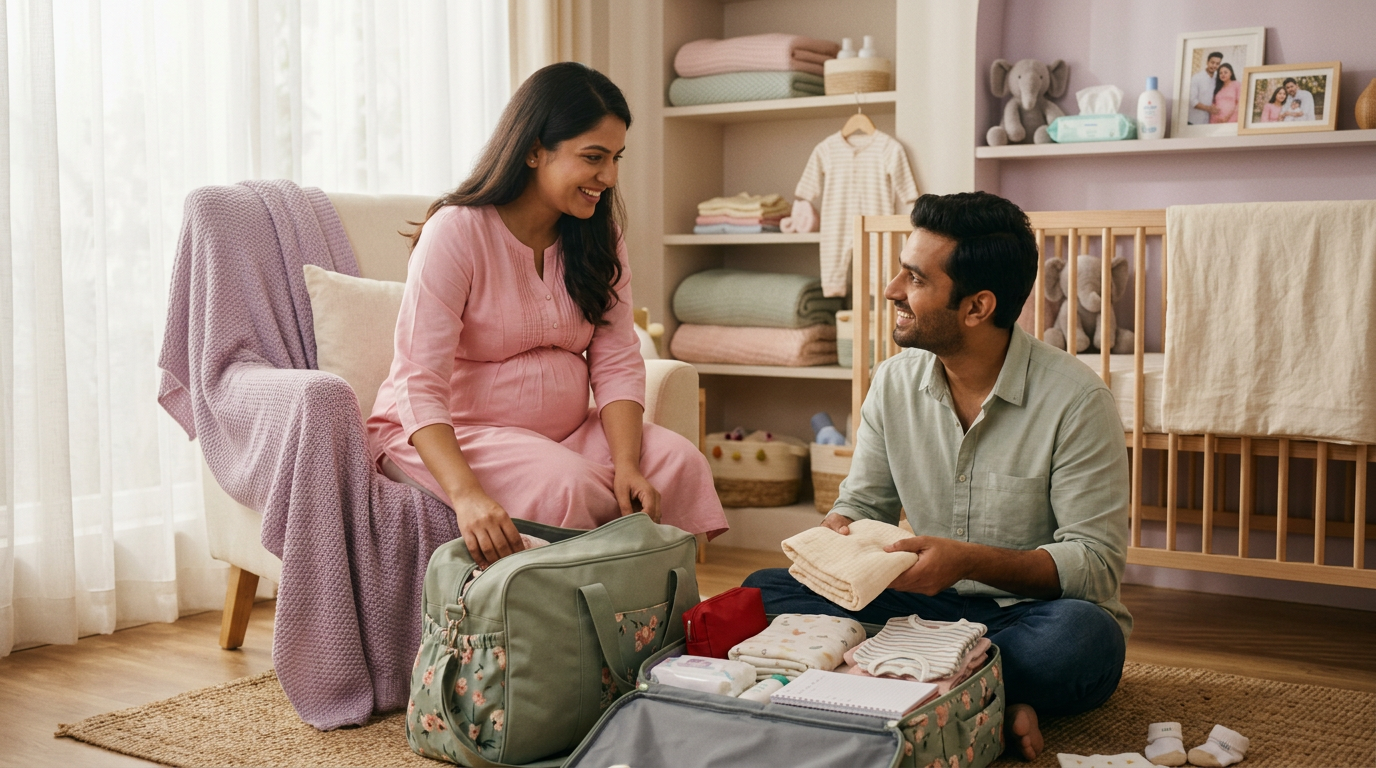
Packing your hospital bag is the ultimate nesting milestone. Most Indian moms should have their bags ready by the 35th or 36th week of pregnancy, as babies rarely follow a calendar. Whether you are planning a normal delivery at a local nursing home or a scheduled C-section at a corporate hospital like Apollo or Cloudnine, having your essentials organized prevents last-minute panic and ensures a smoother transition into motherhood.
Why your hospital bag needs an Indian reality check
In India, the contents of your hospital bag depend heavily on where you are delivering. If you are at a government facility like AIIMS or a smaller neighborhood nursing home, you might need to carry everything from bedsheets to specialized feeding pillows. In contrast, premium private hospitals provide almost everything but charge a premium for "maternity kits."
The goal isn't to pack your entire house; it’s to pack for three specific people: You, the Baby, and the exhausted Partner who will be running to the pharmacy at 2 AM. Before you start, check out our comprehensive hospital bag checklist to keep your packing structured.
Essential documents and the "File of Life"
In the rush of labor pains, the last thing you want is your husband hunting for an Aadhar card. Keep a dedicated folder at the top of your hospital bag containing:
* Medical Records: All ultrasound reports, blood tests (especially blood group and Rh factor), and prescriptions from your 1st to 3rd trimester.
* Identity Proofs: Original and photocopies of Aadhar cards (both parents) for birth certificate registration.
* Insurance & TPA: Pre-authorization forms, corporate ID cards, and the last 3 months' salary slips (if required by your provider).
* Hospital specific paperwork: Some hospitals require a "Registration Card" or a deposit receipt.
For the Mama: Comfort meets Postpartum Reality
Post-delivery, your body will be in a state of flux. Whether it’s the soreness of a hospital bag labor or the recovery from a C-section incision, comfort is queen.
Clothing and Hygiene
* Front-Open Nighties or Kurtais: Pack 3-4 sets. Breastfeeding is a steep learning curve; you don't want to be wrestling with a T-shirt. Brands like MomStore or Zivame offer great nursing-friendly options.
* Maternity Pads: Standard sanitary napkins won't cut it. You need heavy-duty maternity pads (like NewMom or Friends) or adult diapers for the first 48 hours.
* Dark-coloured Cotton Panties: Get the "granny panty" style in a size larger than usual. If you have a C-section, ensure the waistband sits far above your incision.
* Toiletries: Your favorite soap, shampoo, moisturizer, and a lip balm (hospital AC is notoriously drying). Don't forget a small mirror and hair ties.
* The "Coming Home" Outfit: Something loose and breezy, like a cotton Kaftan or a soft Chikankari suit.
Nutrition and Energy
Dry Fruits and Laddoos: Ask your nani or sasu maa to prepare Gondh or Methi laddoos*. These are traditional Indian powerhouses for postpartum recovery.
* Electrolyte Drinks: ORS sachets or Coconut water (if the hospital allows) to keep your energy up during a long hospital bag labour.
For the Little One: The "Jhabla" and Beyond
Indian skin is sensitive, and our weather can be fickle. Always prioritize 100% organic cotton.
* Cotton Jhablas: Pack 6-8 sleeveless or short-sleeved cotton shirts. They are easy to change and don't irritate the umbilical cord stump.
* Swaddle Cloths: Large, breathable muslin squares (Mulmul) are perfect for the Indian climate.
Diapers vs. Langots: Most hospitals use disposables (Newborn size), but if you prefer traditional cloth langots, pack at least 15-20 because newborns pee a lot*.
* Quick Dry Sheets: A small waterproof mat (like Oshi Mat) is a lifesaver for bed-sharing or diaper changes.
* Baby Blanket: Even in summer, hospital nurseries are cold. A soft, BIS-certified (Bureau of Indian Standards) cotton blanket is a must.
* Cap, Mittens, and Booties: To prevent the baby from scratching themselves and to maintain body temperature.
What is in a maternity bag for the Birth Partner?
The partner often gets forgotten, but they are the ones handling the "outside world." Their maternity bag should include:
* Multi-plug Extension Board: Hospital rooms often have only one accessible socket. You’ll need to charge two phones, a power bank, and maybe a tablet.
* Change of Clothes: At least two sets of comfortable clothes and plenty of clean underwear.
* Cash and Small Change: For the canteen, chai tapris, or tipping the hospital staff (a very common Indian tradition). Expect to spend around ₹500–₹2000 in small denominations.
* Snacks: Biscuits, Namkeen, and Theo chocolates. Hospital food is rarely enough for two.
Real talk from Indian moms
> "I forgot to pack a breastfeeding pillow. My back was killing me by the second night because the hospital pillows were too flat for proper latching." — Ananya S., Mumbai (Mom to a 4-month-old)
> "Pack a pair of rubber flip-flops for the shower. Hospital bathroom floors can be slippery and honestly, a bit gross if it’s a shared ward." — Megha R., Bengaluru (Mom to a 1-year-old)
> "I insisted on carrying my own copper water bottle. The hospital plastic jugs felt unhygienic, and I wanted my 'ghar ka paani' vibes." — Saritha V., Hyderabad (Mom to a 5-day-old)
When to call your paediatrician
Before you leave the hospital, ensure you have your paediatrician’s number. Call them immediately if your newborn shows:
Frequently Asked Questions
When should I start packing my hospital bag?
Ideally, start an "essentials list" at 30 weeks and have the physical hospital bag packed and kept by the door by 36 weeks. If you have a history of preterm labor, aim for 32 weeks.
What should I include in my hospital bag labor list?
For the active hospital bag labor phase, include items that provide comfort: a stress ball, a playlist of soothing mantras or music, a focal point (like a picture of your deity), and plenty of hydration.
Is a maternity bag different from a baby bag?
Yes. It is better to have two separate bags: a maternity bag for the mother’s recovery needs and a dedicated baby bag. This helps your partner find a diaper or a nipple cream without rummaging through your personal clothes.
Do Indian hospitals provide sanitary pads?
Large private hospitals usually provide one pack of maternity pads. However, these are often generic brands. It is highly recommended to carry your own preferred brand in your hospital bag checklist for delivery india to ensure maximum comfort and absorbency.
Should I pack formula milk?
Generally, no. Most Indian hospitals are "Baby Friendly" and promote exclusive breastfeeding as per WHO and IAP guidelines. If a medical need for formula arises, the hospital will provide it according to their protocols.
What are the must-haves for a hospital bag labour room entrance?
When you first enter the hospital bag labour room, the staff will usually only ask for your latest reports, a fresh set of clothes for the baby, and a gown for you. Keep these at the very top of your bag for easy access.
Packing your bag isn't just about utility; it's about the mental preparation for the biggest change of your life. Take a deep breath, verify your documents, and trust your body. You are ready for this.
I am strong, I am prepared, and I am bringing life into this world.
Sources & further reading
- Indian Academy of Pediatrics (IAP) - Newborn Care
- FOGSI - Good Clinical Practice Recommendations
- World Health Organization (WHO) - Postpartum Care
- National Health Portal of India - Pregnancy Care
Written by Dr. Ritu Sharma, MD (Obstetrics & Gynaecology)
Reviewed by TheMamaCircle Editorial Team
Last updated: 20 June 2026
This article is for general information only and is not a substitute for personalised medical advice. Always consult your paediatrician or obstetrician for your specific situation.