Maternity Bag for Hospital: Ultimate India Packing Guide
Pack your maternity bag for hospital with our India-specific guide. From cotton jhablas to postnatal pads, get the ultimate checklist for a stress-free delivery.
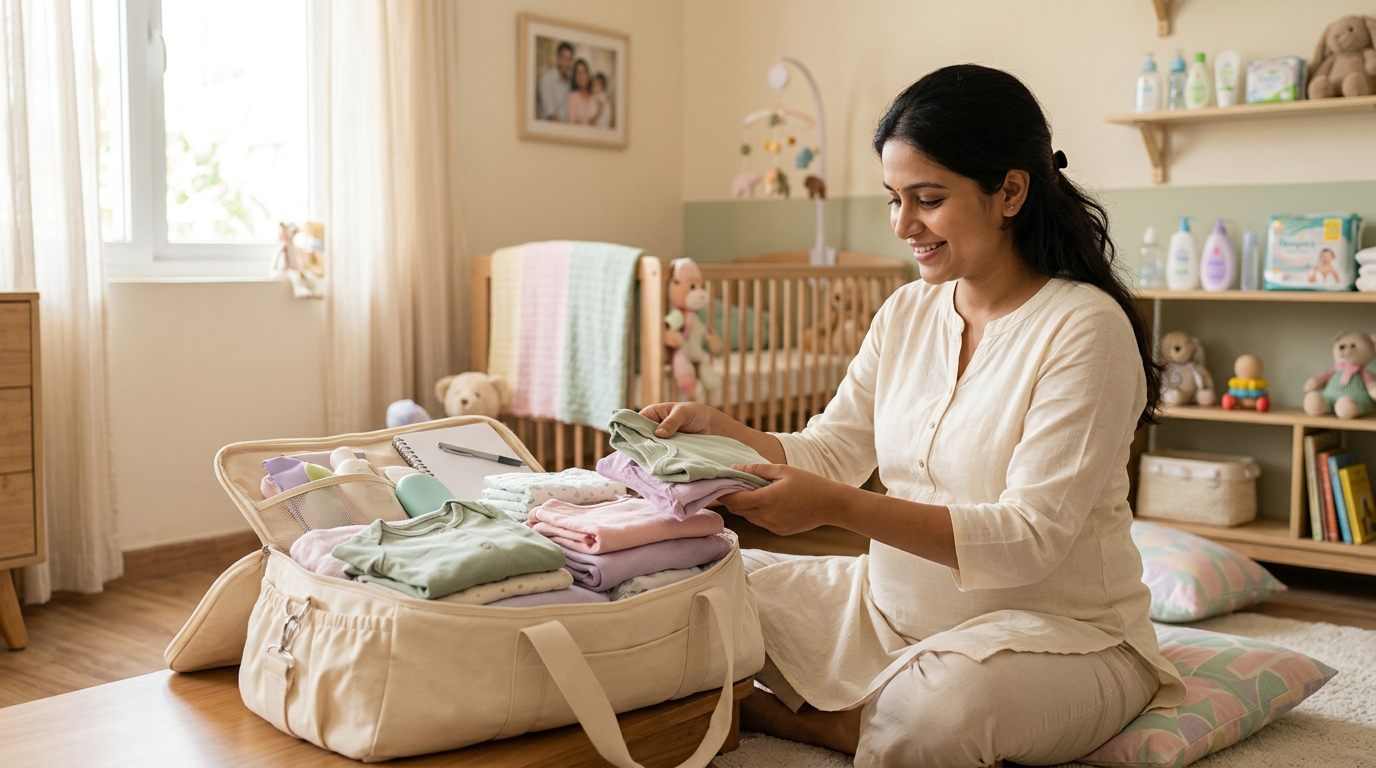
Packing your maternity bag for hospital usually starts around the 35th or 36th week when that nesting instinct kicks in. In India, hospital experiences vary wildly—while a luxury private hospital in South Delhi might provide everything down to the slippers, a government facility or a smaller nursing home in Pune might expect you to bring your own bedding. This guide ensures you are prepared for the Indian postnatal (postnatal) reality, whether you are having a normal delivery or a C-section.
The Three-Bag Strategy: Mom, Baby, and Partner
Don’t try to cram everything into one giant suitcase. Indian hospital rooms, especially in semi-private wards, can be tight. Organize your hospital bag into three distinct kits. This makes it easier for your husband or sasu maa to find exactly what is needed without dumping the whole bag on the floor while you are in active labor.
Bag 1: The Essentials for Mom
The primary goal for your maternity bag for hospital is comfort and hygiene during the first 48 to 72 hours of postnatal recovery.
* Documentation: Keep an A4 folder with your Aadhar card, insurance TPA card, and all pregnancy scans/reports. If you are using our due date calculator, have your estimated date of delivery (EDD) notes ready.
Clothing: Pack 3-4 sets of front-open kurtas or button-down nighties. These are essential for stanpaan (breastfeeding). Avoid tight leggings; opt for loose cotton palazzos or salwars*.
* Postnatal Gear: Standard sanitary pads won't cut it for lochia. Pack 2 packs of heavy-duty maternity pads (brands like Friends or Pee Safe are popular in India). If you're unsure about bleeding patterns, use our lochia analyzer to understand what is normal.
* Toiletries: Toothbrush, toothpaste, a mild face wash, and a big hair clip or scrunchie. The "hospital smell" can be nauseating, so a familiar-smelling moisturiser helps.
* Flip-flops: Waterproof slippers are a must for hospital bathrooms to prevent slipping.
Bag 2: The Baby’s Kit (The Nanhi Jaan Bag)
Indian hospitals have specific protocols. While some provide "hospital clothes," most Indian parents prefer their own washed and softened cotton jhablas.
* Cotton Jhablas: 6-8 pairs. Choose 100% cotton to avoid rashes.
* Swaddle Cloths: 4-5 thin mulmul (muslin) wraps. The Indian summer requires breathable fabric, while a winter baby will need a thicker flannel wrap.
Diapers vs. Langots: Even if you plan to use cloth langots* at home, hospitals usually recommend disposable newborn diapers for the first two days to track the first meconium stool easily. Pack a small pack of 20.
* Quick Dry Sheets: A lifesaver for Indian beds. Pack 2 small-sized ones.
* Going Home Outfit: A cute set for that first photo, but ensure it is functional and weather-appropriate.
Bag 3: The Support Person’s Survival Kit
Your partner or mother will likely be staying on a narrow cot or a sofa-cum-bed.
* Change of clothes: 2 sets of comfortable wear.
* Electronics: Extra-long charging cables (hospital plugs are always in weird places) and a power bank.
Snacks: Makhana*, biscuits, and dry fruits. Hospital canteen food gets boring fast.
Hospital Bag for Labour: The Delivery Room Essentials
When you are moved to the labor room, you won't take your big suitcase. You need a small "Labour Kit" within your maternity bag for hospital.
* Hydration: A sippy cup or a bottle with a straw. Sipping water between contractions is easier than tilting a bottle.
* Lip Balm: Hospital air conditioning is notoriously drying.
* Energy Boosters: Coconut water or electoral sachets (check with your doctor first).
* Hair Tie: You do not want hair in your face while pushing.
If you are currently tracking your symptoms in the final weeks, check our pregnancy week-by-week tracker to see what physiological changes to expect during the lead-up to the big day.
C-Section vs. Normal Delivery Tweaks
If you have a planned Cesarean, your maternity bag for hospital needs two specific additions:
For a normal delivery, the focus is on perineal care. Pack a small peri-bottle (squeeze bottle) to clean yourself with warm water after using the washroom, as the jet spray in some hospitals can be too high-pressure for sore tissues.
Seasonal Packing for the Indian Climate
* Monsoon: Pack extra sets of clothes for baby and mom. Humidity means nothing dries, and the hospital laundry might be slow. Include a small umbrella for the partner.
* Summer: Stick to 100% cotton. Avoid synthetic lace on nighties which can cause heat rashes.
* Winter: Hospitals in North India can get very chilly. Pack a front-open cardigan for yourself and a few "onesies" with feet for the baby. Don't forget baby mittens and booties.
Real Talk from Indian Moms
> "I packed fancy silk nightwear but ended up living in my husband's oversized cotton T-shirts. Also, don't forget a small bottle of coconut oil for the baby's first diaper change—it makes cleaning meconium so much easier!" — Ananya S., Mumbai (Mom to 4-month-old)
> "Check if your hospital allows electric kettles. Being able to make my own herbal tea and warm water for my jaapa (postnatal recovery) routine made a huge difference in my comfort levels at a private nursing home in Chennai." — Meenakshi R., Chennai (Mom to 6-week-old)
When to Call Your Paediatrician
Once the baby is born and you are still in the hospital or just reaching home, watch for these red flags:
* Jaundice: The baby's skin or the whites of the eyes look significantly yellow.
* Feeding Issues: The baby is unable to latch or hasn't passed urine in 6-8 hours. If you struggle with latching, consulting a professional for 1:1 postnatal care sessions can be helpful.
* Temperature: Any fever over 100.4°F (38°C) or if the baby feels unusually cold to the touch.
* Lethargy: The baby is too sleepy to wake up for feeds or has a very weak, high-pitched cry.
* Umbilical Cord: Redness, foul-smelling discharge, or active bleeding from the belly button area.
Frequently Asked Questions
What should be in a maternity bag for hospital in India?
An Indian maternity bag should include loose cotton front-open kurtas, maternity pads, documents (Aadhar/Insurance), baby jhablas, muslin swaddles, and basic toiletries. Unlike the West, we also recommend packing a small container of ghee or dry fruit laddoos for postnatal energy, provided your doctor approves.
When should I start packing my hospital bag?
It is best to have your hospital bag checklist for delivery india ready and the bag packed by the end of your 36th week. Babies rarely follow the calendar, and having the bag by the door reduces panic if labor starts unexpectedly.
How many clothes should I pack for the baby in the hospital bag?
Pack at least 6-8 sets of cotton jhablas or onesies. Babies can go through multiple changes a day due to spitting up or diaper leaks. It is better to have a few extras than to run out of clean clothes.
Do Indian hospitals provide diapers and pads?
Corporate hospitals (like Apollo, Max, or Cloudnine) often provide a basic starter kit, but they charge for every individual item used. Smaller nursing homes or government hospitals usually expect you to bring your own. Always pack your own to ensure you have the brands you prefer.
What essentials are needed for a hospital bag labor?
During the hospital bag labor phase, focus on comfort: a handheld fan, lip balm, a hair tie, and comfortable slippers. Most Indian hospitals won't allow you to eat heavy meals during active labor, so keep clear fluids or ice chips handy if permitted.
Can I bring my own pillow to the hospital?
Yes, and many Indian moms highly recommend it. Hospital pillows are often flat and covered in plastic. Bringing your own pillow (with a non-white cover so it doesn't get mixed with hospital laundry) can significantly improve your sleep quality.
As you zip up your bag, remember that while the items inside are helpful, your strength and intuition are your greatest tools. You are prepared, you are capable, and soon you will be holding your little one. You've got this, Mama.
Sources & further reading
- Indian Academy of Pediatrics (IAP) - Newborn Care
- FOGSI - Postpartum Care Guidelines
- National Health Portal (NHP) India - Antenatal Care
Written by Dr. Ritu Sharma, MD (Obstetrics & Gynaecology)
Reviewed by TheMamaCircle Editorial Team
Last updated: 15 August 2026
This article is for general information only and is not a substitute for personalised medical advice. Always consult your paediatrician or obstetrician for your specific situation.