Postpartum Complications List: Indian Mom’s Safety Guide
A complete postpartum complications list for Indian moms. Learn the red flags of PPH, preeclampsia, and sepsis. Stay safe during your fourth trimester.
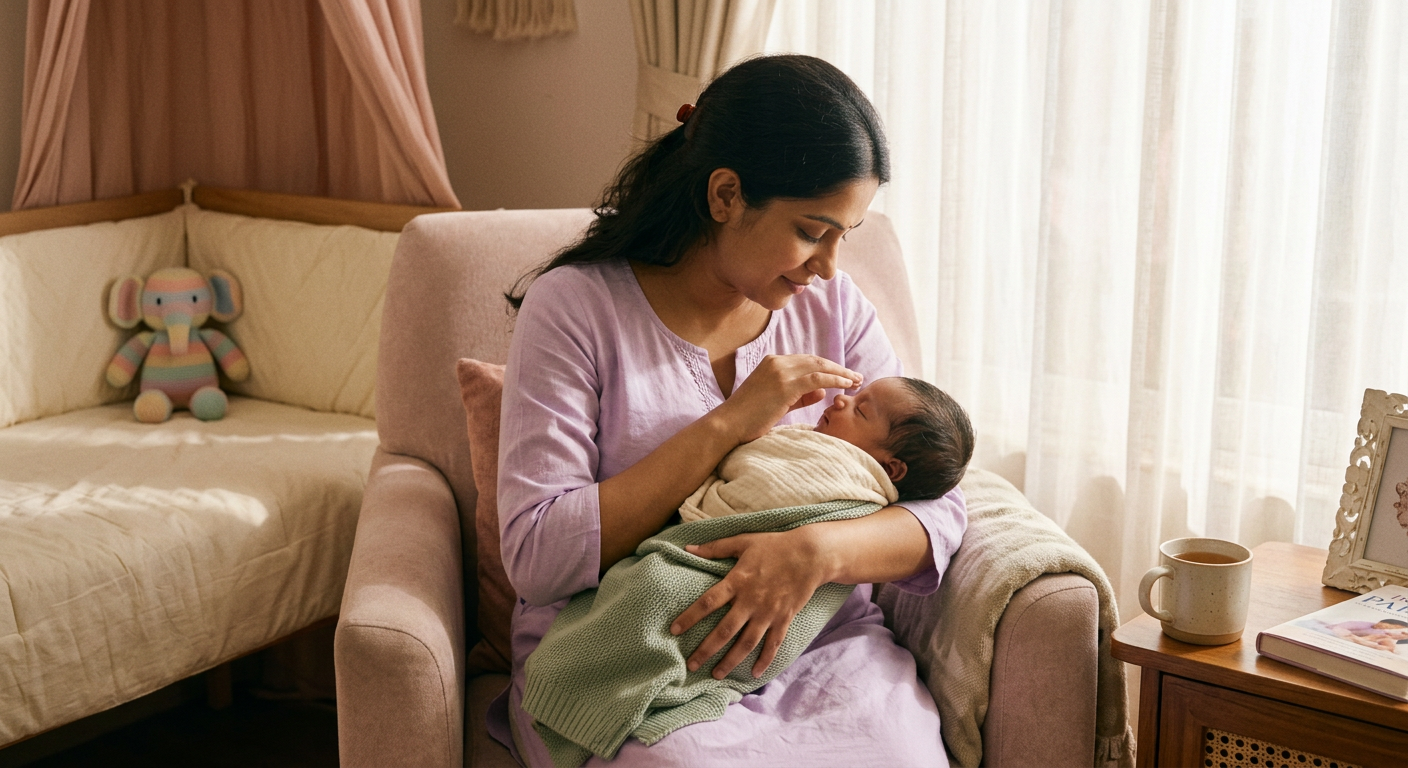
While everyone is busy buying tiny jhablas and debating which jhoola is best, we need to talk about the fourth trimester. Recovering from childbirth isn't just about getting back on your feet; it’s about monitoring your body for medical warning signs. This postpartum complications list is your essential guide to identifying what’s normal (like mild cramping) and what requires an immediate trip to the emergency room at Apollo, Max, or your local government hospital. According to FOGSI (The Federation of Obstetricians and Gynaecologists of India), many maternal deaths in India are preventable with timely intervention.
The Essential Postpartum Complications List for Indian Moms
The weeks following delivery are a high-risk period often overshadowed by the joy of the new baby. Whether you had a normal vaginal delivery or a C-section, your body is undergoing massive hormonal and physiological shifts. Below are the critical postpartum complications every family must monitor closely.
1. Postpartum Hemorrhage (PPH)
This is the most critical emergency on the postpartum complications list. While some bleeding (lochia) is normal for 4-6 weeks, heavy bleeding is not.
* The Red Flag: Soaking through a heavy-duty sanitary pad in less than an hour.
* The Sensation: Feeling dizzy, faint, or having a racing heartbeat.
* The Action: Call your OB-GYN immediately. In India, postpartum hemorrhage remains a leading cause of maternal morbidity, but it is highly treatable if caught fast.
2. Postpartum Preeclampsia
You might think you’re in the clear once the baby is out, but preeclampsia can strike up to six weeks after birth.
* Symptoms: Severe headache that doesn't go away with Saridon or rest, blurred vision ("seeing stars"), and sudden swelling in the face or hands.
* The Risk: Undiagnosed high blood pressure can lead to seizures (eclampsia) or organ damage.
3. Sepsis and Postpartum Infections
Infections can occur in the uterus, the site of your C-section incision, or your episiotomy stitches.
What to watch for: A fever of 100.4°F (38°C) or higher, foul-smelling vaginal discharge, or intense pain in the lower abdomen (pedu mein dard*).
* Incisions: If your C-section scar looks angry, red, or starts oozing "yellow water," do not just apply coconut oil. Call your doctor.
4. Peripartum Cardiomyopathy
This is a rare but serious heart condition where the heart muscles weaken.
* The Sign: Unusual shortness of breath, even when lying flat, or extreme fatigue that feels "different" from just being a tired new mom.
5. Postpartum Thyroiditis
Commonly misdiagnosed as "new mom exhaustion," thyroid issues are frequent in Indian women due to iodine variations and genetic predispositions.
* Symptoms: Rapid weight loss, palpitations, or conversely, extreme sluggishness and dry skin.
What are the most common postpartum complications?
Beyond the life-threatening emergencies, several conditions frequently affect the quality of life for Indian mothers.
Mastitis (Breast Infection)
If a milk duct gets clogged and remains untreated, it can turn into mastitis. You’ll feel a hard, painful lump in the breast accompanied by flu-like symptoms and fever. Don’t stop stanpaan (breastfeeding); actually, draining the breast is part of the cure!
Postpartum Depression (PPD) and Psychosis
The "Baby Blues" usually fade by day 10. If you feel a deep sense of hopelessness, inability to bond with the baby, or scary thoughts of self-harm, this is a medical emergency. In traditional Indian households, this is often dismissed as "weakness" or lack of gratitude—ignore that noise. Mental health is health.
Urinary Tract Infections (UTI) and Retention
If you find it difficult to pass urine or feel a burning sensation, it’s likely a UTI. This is common if you had a catheter during a C-section or an epidural.
Real Talk from Indian Moms
> "I thought the heavy bleeding was just my body cleaning out after nine months. My sasu maa gave me haldi doodh and told me to rest, but by evening, I couldn't even stand up. It turned out to be PPH. Moms, if you feel 'off', trust your gut, not just the elders."
> — Ananya S., Bengaluru (Mom to 4-month-old)
> "I had a terrible headache three days after coming home. My husband thought it was just lack of sleep, but I remembered my doctor mentioning blood pressure. We went to the ER and my BP was 160/110. Postpartum preeclampsia is real."
> — Priya K., Delhi (Mom to 6-week-old)
When to Call Your Paediatrician: Red Flags for Baby
While you monitor your own health, keep a sharp eye on your little one. Call the paediatrician if you notice:
* Jaundice: Deep yellowing of the skin or eyes, especially extending to the palms and soles.
* Fever: Any rectal temperature above 100.4°F in a newborn is an emergency.
* Feeding Issues: Baby is too sleepy to wake up for feeds or is refusing to latch/bottle-feed.
* Dehydration: Fewer than 6 wet nappies in 24 hours (after day 5).
* Umbilical Cord Infection: Redness, pus, or a foul smell from the belly button area.
Managing Recovery: The Indian Context
In India, we have the beautiful tradition of the Sawa Mahina (40 days of rest). While the maalish with mustard or coconut oil and the nutritious gondh ke ladoos or methi pak are great for recovery, they cannot replace medical vigilance.
* Dietary Note: Focus on iron-rich foods like spinach, beetroot, and ragi to recover from the blood loss during delivery.
* Cost of Care: Emergency postpartum care in private Indian hospitals can range from ₹20,000 to over ₹1,50,000 depending on the severity and ICU requirement. Always keep your TPA/insurance cards handy.
Frequently Asked Questions
What are the main postpartum complications?
The main complications include postpartum hemorrhage, postpartum infections (sepsis), preeclampsia, blood clots (deep vein thrombosis), and postpartum depression. These require prompt medical attention to ensure a safe recovery.
What is the most common cause of postpartum hemorrhage?
The most common postpartum hemorrhage causes is uterine atony, where the uterus fails to contract effectively after the placenta is delivered. Other causes include retained placental fragments, vaginal tears, or blood clotting disorders.
How is postpartum hemorrhage treated in India?
Postpartum hemorrhage treatment typically involves uterine massage, medications like oxytocin or misoprostol to help the uterus contract, and in some cases, IV fluids or blood transfusions. Indian protocols (FOGSI) emphasize the "Golden Hour" of treatment to prevent shock.
When should I be worried about postpartum swelling?
While mild swelling in the feet is common, you should be worried if the swelling is sudden, involves the face or hands, or is accompanied by a severe headache. This could indicate late-onset preeclampsia.
Can I get a UTI after delivery?
Yes, UTIs are very common, especially if you had a catheter or a long labour. Ensure you drink plenty of water and maintain hygiene. If you feel a burning sensation, your doctor will likely prescribe a short course of pregnancy-safe antibiotics.
Is postpartum anxiety different from depression?
Yes. While depression often feels like heavy sadness or numbness, postpartum anxiety feels like a racing heart, constant intrusive thoughts about the baby's safety, and an inability to sleep even when the baby is sleeping. Both are serious and treatable.
Your health is the foundation of your baby's world; never feel guilty for prioritising your recovery.
I am listening to my body and I deserve the care I need.
Sources & further reading
- FOGSI - Postpartum Hemorrhage Management
- National Health Portal India - Postnatal Care
- ICMR - Maternal Health Guidelines
Written by Dr. Ritu Sharma, MD (Obstetrics & Gynaecology)
Reviewed by TheMamaCircle Editorial Team
Last updated: 5 July 2026
This article is for general information only and is not a substitute for personalised medical advice. Always consult your paediatrician or obstetrician for your specific situation.