Postpartum Depression: A Guide for Indian Moms (Symptoms)
Struggling with postpartum depression? Learn symptoms, causes, and treatment for Indian moms. You aren't alone, and help is available for you and your baby.
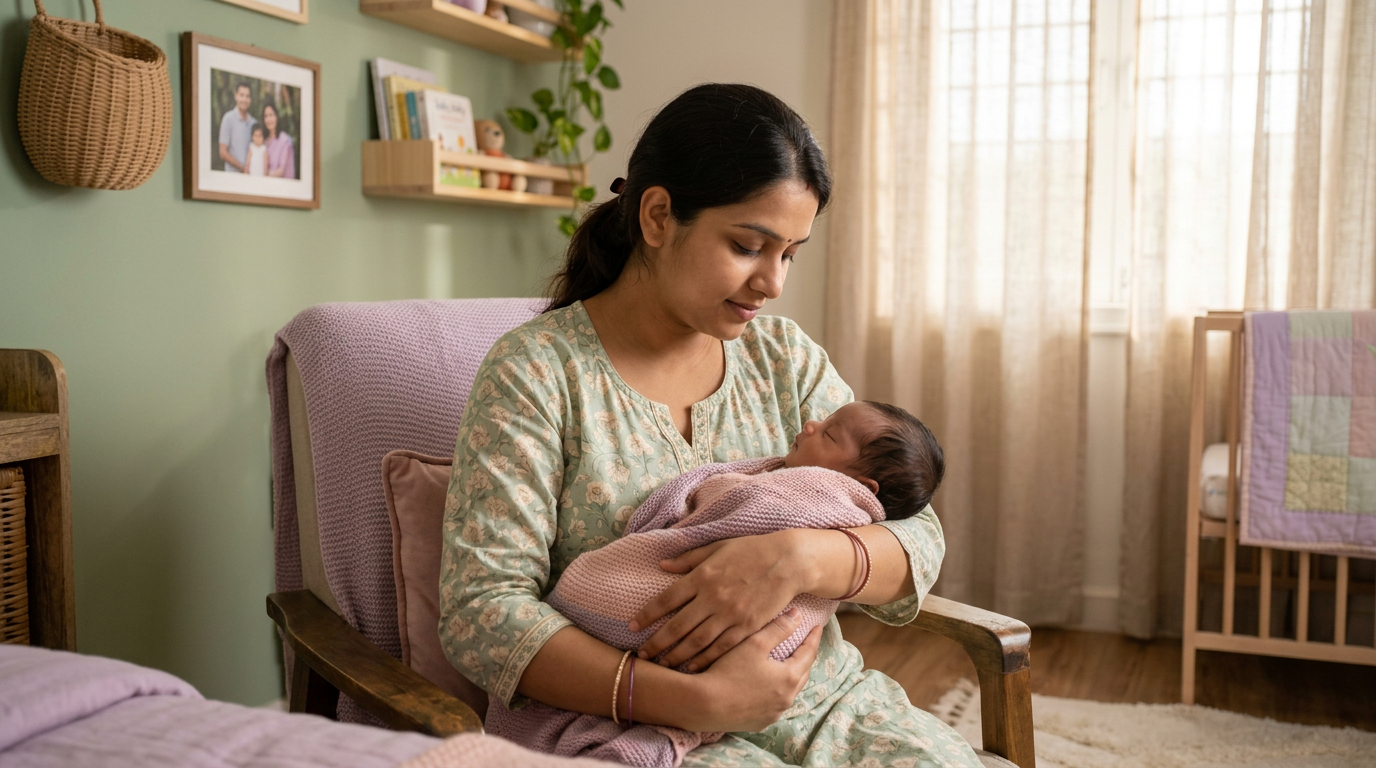
Postpartum depression is a clinical mental health condition that affects nearly 1 in 5 Indian mothers, far beyond the common "baby blues." While the blues fade in 10 days, postpartum depression involves persistent sadness, severe anxiety, and exhaustion that makes it difficult to care for yourself or your newborn. In many Indian households, it is often dismissed as "tiredness" or "new mom stress," but it is a biological shift involving hormones like estrogen and progesterone crashing after delivery, requiring professional medical intervention rather than just "willpower."
Postpartum Depression vs. Baby Blues: What’s the difference?
Every Indian mother is told that the first 40 days (the Sawa Mahina or Sutika period) are for rest and recovery. However, even with the best maalish-wali and your mother-in-law feeding you Gond Ke Ladoos, you might feel "off." It is crucial to distinguish between the two:
Baby Blues: Affects up to 80% of moms. You might cry because the doodh* hasn't come in properly or because you’re overwhelmed by the 3 AM feeds. It starts 2-3 days postpartum and clears up within two weeks.
* Postpartum Depression: This is deeper. If you feel hopeless, unable to bond with the baby, or experience "postpartum rage" (sudden, intense anger at your husband or older child) after the first month, it isn't the blues anymore. It requires a dedicated postpartum depression treatment plan involving therapy or medication.
Are you experiencing these postpartum depression symptoms?
The symptoms aren't always just "crying in a dark room." In India, physical symptoms often mask the emotional ones because we are culturally conditioned to talk about back pain rather than heart pain. If you or a loved one are noticing these, please take notice:
* Emotional Numbness: Feeling like you are "auto-piloting" through breastfeeding and diaper changes without feeling any joy or connection to the baby.
* Intrusive Thoughts: Scary, repetitive thoughts about the baby getting hurt or you dropping the baby. This is often linked to Postpartum OCD.
* Sleep Disturbances: Not being able to sleep even when the baby is finally sleeping (insomnia).
Physical Aches: Constant headaches, stomach issues, or backaches that don't respond to methi* water or rest.
Withdrawal: Avoiding phone calls from your "Mom WhatsApp groups" or skipping family pujas* because you can't face people.
For a full checklist, read our guide on postpartum depression symptoms.
What are the leading postpartum depression causes in India?
Understanding postpartum depression means looking at the cocktail of factors that hit women after birth. It is never "your fault" or a sign of being a "weak mother."
1. The Hormonal "Crash"
Within 24 hours of childbirth, levels of estrogen and progesterone drop rapidly back to their pre-pregnancy levels. This chemical shift is as intense as a massive physiological shock to the system.
2. The Pressure of the "Ideal Indian Bahu"
In joint families, the pressure to be the "perfect" mother while balancing traditional expectations can be crushing. If your Sasu Maa (mother-in-law) has different views on stanpaan (breastfeeding) or if there is conflict regarding the baby’s name or care, the stress contributes significantly to postpartum depression.
3. Lack of Sleep and Nutritional Deficiencies
Inadequate levels of Iron, Vitamin B12, and Vitamin D—common in Indian women—can mimic or worsen depression symptoms. The ICMR (Indian Council of Medical Research) highlights that maternal nutrition directly impacts mental well-being.
How do doctors diagnose it? (The EPDS Scale)
Indian gynaecologists and psychiatrists typically use the Edinburgh Postnatal Depression Scale (EPDS). It is a 10-question screening tool. If you score above 13, it indicates a high probability of clinical depression. You can ask your doctor for this during your 6-week postpartum check-up.
In many Tier 2 and Tier 3 cities, women ask, "postpartum depression kya hota hai?" (What is postpartum depression?). Essentially, it is a clinical illness of the brain, just like diabetes is an illness of the pancreas. It needs more than just "positive thinking."
Real talk from Indian moms
> "I had everything—a supportive husband and a healthy baby. But I used to sit in the bathroom and cry for hours, feeling like a failure because I didn't feel that 'instant spark' with my daughter. My mother-in-law thought it was just kamzori (weakness), but my doctor helped me see it was PPD."
> — Ananya S., Bengaluru (Mom to a 7-month-old)
> "The anger was the worst part. I would snap at my toddler for the smallest things. I felt like a monster. Finding a therapist who spoke Marathi and understood our family structure was a life-changer."
> — Pooja V., Pune (Mom to a 1-year-old)
When to call your paediatrician (Relating to Baby's Safety)
While PPD is a maternal issue, your paediatrician is often the first person who notices something is wrong. Call them or your OB-GYN immediately if:
* You feel you cannot safely care for your baby.
* You have thoughts of harming yourself or the baby (this may indicate Postpartum Psychosis, a medical emergency).
* The baby isn't gaining weight because you are too overwhelmed to feed them.
* You are experiencing "Postpartum Rage" that results in shaking or roughly handling the baby.
* You feel completely detached as if the baby belongs to someone else.
Finding Postpartum Depression Treatment in India
Treatment is highly effective and usually involves a combination of:
* Vandrevala Foundation: 9999 666 555 (24/7)
* NIMHANS: 080-46110007
Frequently Asked Questions
What is the primary cause of postpartum depression?
The primary causes involve a combination of biological (hormonal drops), emotional (sleep deprivation and stress), and social factors (lack of support). It is a chemical imbalance, not a character flaw.
How do I know if I have postpartum depression symptoms?
Look for persistent sadness, loss of interest in activities you once enjoyed, extreme fatigue, and difficulty bonding with your baby that lasts longer than two weeks.
Is postpartum depression treatment safe while breastfeeding?
Yes, many antidepressants are considered safe for breastfeeding mothers. Your psychiatrist and paediatrician will work together to ensure the medication has minimal transfer into breast milk while keeping you mentally healthy.
What are the main postpartum depression causes in the Indian context?
Key causes include the sudden drop in pregnancy hormones, severe anemia (common in India), lack of sleep, and social pressures or domestic conflict within the household.
Can men get postpartum depression?
Yes, "paternal postpartum depression" is real. About 1 in 10 dads experience it due to sleep deprivation and the stress of new financial and emotional responsibilities.
Where can I find info on postpartum depression in Hindi?
You can search for resources under "Prasavottar Avsaad." Many government hospitals (AIIMS) provide pamphlets that explain postpartum depression in hindi for families to understand the condition.
You are doing the hardest job in the world while your brain is fighting a chemical battle. Remind yourself today: "I am a good mother, I am just unwell, and I will get better with help."
Sources & further reading
- Postpartum Depression - National Health Mission (NHM) India
- FOGSI Maternal Mental Health Guidelines
- WHO - Maternal Mental Health Info
- ICMR - Guidelines on Antenatal and Postnatal Care
Written by Dr. Ritu Sharma, MD (Obstetrics & Gynaecology)
Reviewed by TheMamaCircle Editorial Team
Last updated: 4 July 2026
This article is for general information only and is not a substitute for personalised medical advice. Always consult your paediatrician or obstetrician for your specific situation.