Postpartum Hemorrhage Meaning in Hindi: Indian PPH Guide
Learn the postpartum hemorrhage meaning in hindi & vital red flags. Understand PPH causes, treatment in India, and when to seek urgent postnatal care.
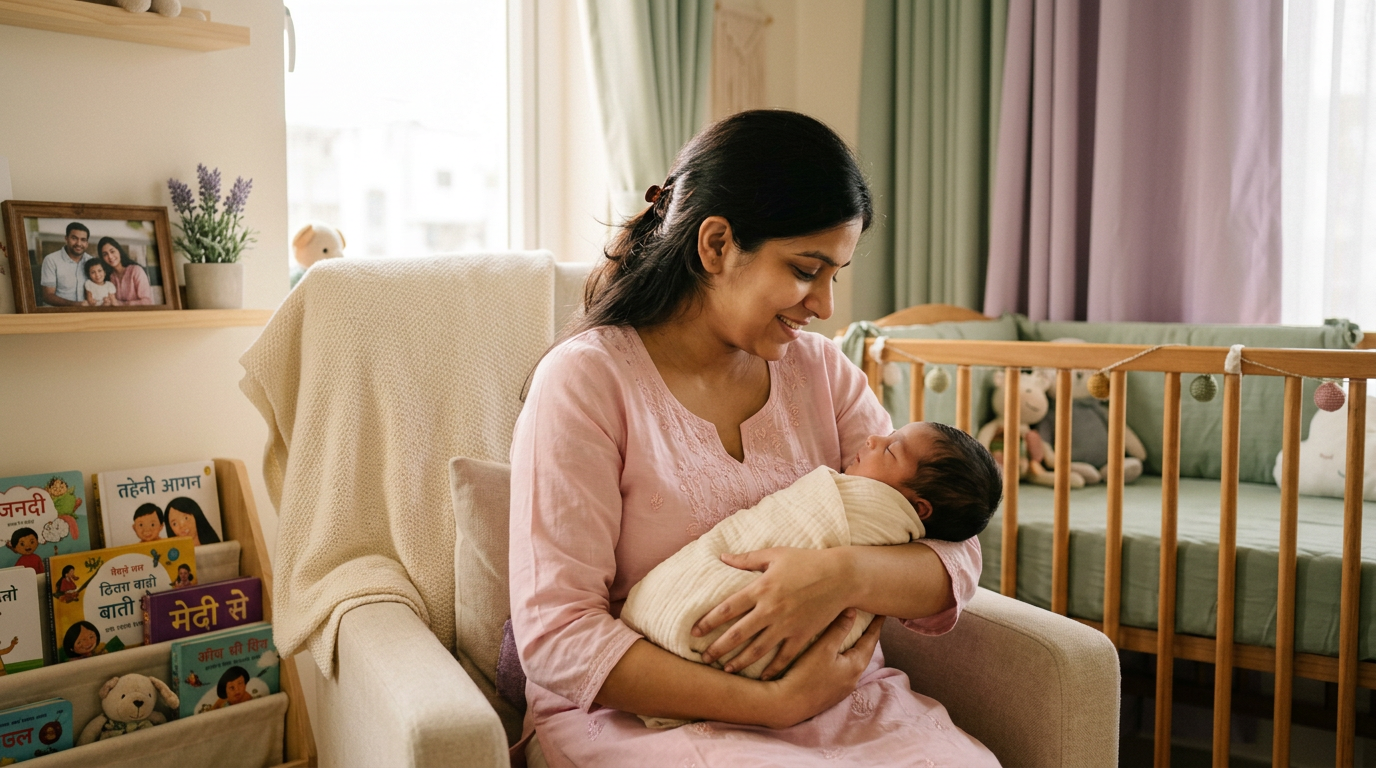
The arrival of your nanha munna is a whirlwind of joy, but for many Indian families, the postnatal period (also called postnatal) is also a time of high anxiety. If you have been searching for the postpartum hemorrhage meaning in hindi, it translates to 'Prasav ke baad hone wala adhik raktasrav' (excessive bleeding after delivery). While every new mother expects some bleeding, knowing the difference between normal lochia and a life-threatening complication is vital for every sasu maa, husband, and new mom in the house.
What is the Postpartum Hemorrhage Meaning in Hindi and Medical Context?
In simple terms, postpartum hemorrhage meaning in hindi refers to a condition where a woman loses more than 500 ml of blood after a vaginal delivery or more than 1,000 ml after a C-section within the first 24 hours. In our Indian clinical setting, FOGSI (Federation of Obstetric and Gynaecological Societies of India) notes that PPH remains a leading cause of maternal mortality, making it the most critical among all postnatal complications.
It is not just 'heavy periods.' It is a medical emergency where the uterus fails to contract properly (atony) or there is a tear in the birth canal. If the garbhashay (uterus) stays soft like a sponge instead of becoming hard like a cricket ball, the blood vessels remain open, leading to rapid blood loss.
The Postnatal Complications List: Beyond Just Bleeding
While PPH is the most immediate danger, the postnatal window (the 6 weeks after birth) carries other risks. Every Indian household should keep this postnatal complications list stuck on the fridge:
* Postpartum Sepsis: A severe infection that can start in the uterus or urinary tract. If you have a high fever, foul-smelling discharge, or severe lower abdominal pain, do not ignore it as 'delivery exhaustion.'
Postpartum Preeclampsia: You can develop high blood pressure even after* the baby is born. Watch for 'dhundla dikhna' (blurred vision) and 'bhayanak sar dard' (splitting headaches).
* Postpartum Thyroiditis: Often mistaken for 'baby blues,' this involves inflammation of the thyroid gland.
* Deep Vein Thrombosis (DVT): Blood clots in the legs, especially if you have been on bed rest for too long without moving your ankles.
* Postpartum Psychosis: A rare but severe mental health crisis that requires immediate psychiatric intervention at a facility like NIMHANS or AIIMS.
To monitor your recovery more closely, you can use our lochia analyzer to see if your bleeding patterns are within the normal range.
Postpartum Hemorrhage Causes: Why Does It Happen?
Understanding postpartum hemorrhage causes helps doctors take preventive steps during the prasav (labour) process. The '4 Ts' are the primary reasons:
If you are worried about your physical recovery or core strength after such a complication, a free diastasis recti self-check can help you understand your abdominal wall healing once you are medically cleared.
Managing Postpartum Hemorrhage in Indian Hospitals
In India, both government hospitals like AIIMS and private corporate hospitals follow the 'Active Management of Third Stage of Labour' (AMTSL) to prevent postpartum hemorrhage.
* Uterotonic Drugs: Injections like Oxytocin or Misoprostol (often costing between ₹100 to ₹500 depending on the brand and facility) are given immediately after the baby is born to help the uterus contract.
* Uterine Massage: The doctor or nurse will firmly massage your abdomen to encourage the uterus to harden.
* Bakri Balloon: In severe cases, a special medical balloon is inserted into the uterus to apply pressure from the inside.
* Blood Transfusion: If the blood loss is significant, you may require a transfusion of blood or plasma.
Real Talk from Indian Moms
> "After my twin delivery in Mumbai, I thought the heavy soaking was normal because everyone said 'delivery mein khoon toh behta hi hai.' Luckily, my nurse noticed I was looking pale and checked my pulse. It was PPH. Don't be afraid to speak up if you feel dizzy."
> — Ananya S., Mumbai (Mom to 6-month-old twins)
> "I had a C-section and thought I was safe from postnatal complications. But on day 4 at home, I passed a clot the size of a lemon. My mother-in-law insisted we call the doctor immediately. It was retained placenta tissue."
> — Meher V., Delhi (Mom to a 1-year-old)
When to Call Your Paediatrician
While you focus on your recovery, your baby’s health is equally paramount. Call your paediatrician immediately if the baby shows these red flags:
* Yellowish skin or eyes: Signs of neonatal jaundice.
* Fever: Any temperature above 100.4°F (38°C).
* Poor feeding: If the baby refuses to latch or take the bottle for two consecutive feeds.
* Fewer than 6 wet nappies: A sign of dehydration.
* Excessive crying: High-pitched, inconsolable crying that sounds different from a 'hunger cry.' You can use our AI cry analyzer to help decode the sound.
* Umbilical cord redness: Any pus or foul smell from the belly button area.
Recovery and Nutrition: The Indian Way
Once the crisis of a postpartum hemorrhage is managed, the focus shifts to iron replenishment. In many Indian cultures, we use Ladoo made of Gond (edible gum), Halim (garden cress seeds), and Methi to help the mother regain strength. While these are traditional, ensure you also take the iron and calcium supplements prescribed by your doctor. The ICMR (Indian Council of Medical Research) recommends increased iron intake for lactating mothers to combat the anaemia often worsened by PPH.
If you are struggling with the emotional aftermath of a difficult birth, consider a postnatal wellness assessment to check in on your mental health.
Frequently Asked Questions
What is the primary postpartum hemorrhage meaning in hindi?
In a clinical context, it means 'Prasav ke baad hone wala atyadhik raktasrav.' It is defined as losing more than 500ml of blood within 24 hours of a vaginal birth.
What are common postnatal complications to watch for at home?
Beyond heavy bleeding, you should watch for high fever (infection), calf pain (clots), severe headaches (postpartum preeclampsia), and extreme sadness or hallucinations (postpartum psychosis).
Can you provide a postnatal complications list for C-section moms?
C-section moms should watch for incision site redness or pus, heavy vaginal bleeding, shortness of breath, and severe abdominal pain that doesn't improve with painkillers.
What are the most common postpartum hemorrhage causes?
The most common cause is uterine atony, where the uterus doesn't contract. Other causes include placental fragments left behind, vaginal tears, or blood clotting issues.
How is postpartum hemorrhage treated in India?
Treatment typically includes uterine massage, oxytocin injections, IV fluids, and sometimes surgical intervention or blood transfusions if the bleeding doesn't stop.
Does postpartum hemorrhage affect breastfeeding?
It can. Significant blood loss can sometimes delay the 'coming in' of breast milk due to Sheehan's Syndrome (rare) or simply due to the physical stress on the body. Support from a 1:1 postnatal care sessions expert can help you manage breastfeeding during recovery.
Your body has just performed a miracle, and while complications like PPH are scary, Indian medical protocols are highly advanced in managing them. Stay vigilant, trust your gut, and remember: Main apni sehat ka dhyan rakhungi taaki main apne bacche ka dhyan rakh sakoon (I will take care of my health so I can take care of my baby).
Sources & further reading
- FOGSI General Clinical Practice Recommendations on PPH
- ICMR Guidelines for Antenatal and Postnatal Care
- WHO Recommendations for the Prevention and Treatment of Postpartum Haemorrhage
- AIIMS Protocols in Obstetrics and Gynaecology
Written by Dr. Ritu Sharma, MD (Obstetrics & Gynaecology)
Reviewed by TheMamaCircle Editorial Team
Last updated: 20 August 2026
This article is for general information only and is not a substitute for personalised medical advice. Always consult your paediatrician or obstetrician for your specific situation.