Postnatal Depression Meaning: A Guide for Indian Moms
Learn the postnatal depression meaning, symptoms, and causes for Indian moms. Move past the "baby blues" stigma and find the support you deserve today.
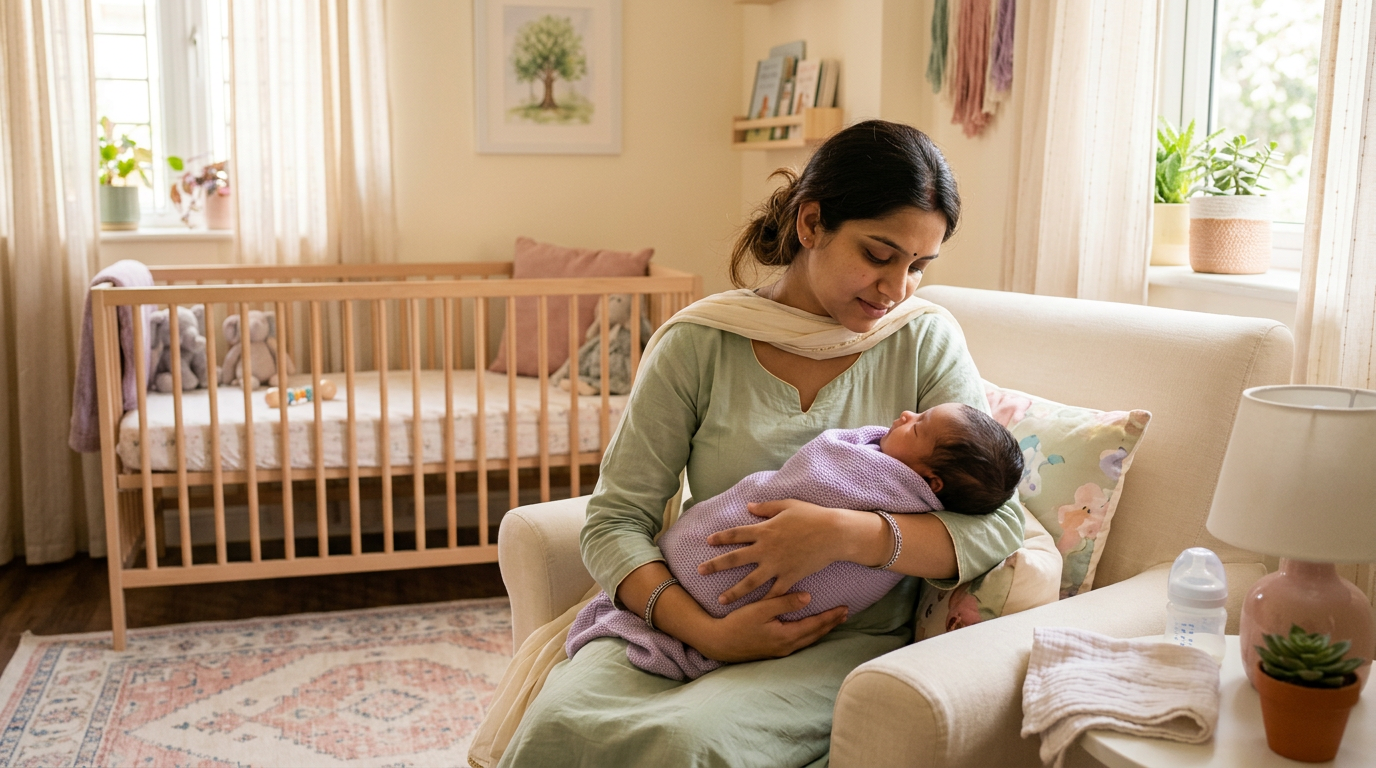
The true postnatal depression meaning (often called postnatal depression) is a serious but treatable clinical mood disorder that affects roughly 1 in 5 Indian mothers. Unlike the temporary "baby blues" that clear up in a few days, postnatal depression (PND) is a persistent shadow that makes it difficult to bond with your baby or handle daily tasks. It is not a sign of weakness or a failure of your "maternal instinct"; it is a medical condition triggered by a massive drop in hormones like estrogen and progesterone, combined with sleep deprivation and the intense social pressure of new motherhood in India.
Postnatal depression meaning: More than just "sadness"
In our clinics across India, we often hear families dismiss a mother’s struggle as chiddchidapan (irritability) or laziness. However, the postnatal depression meaning goes much deeper than being tired. It is a biological "short circuit" in the brain's emotional regulation center. While the global conversation uses the term postnatal depression, in India, we look at it through the lens of our unique socio-cultural pressures—the "perfect bahu" syndrome, the lack of privacy in joint families, and the heavy burden of traditional pathyam (restrictive diets).
Why it happens: The science of the shift
After delivery, your body undergoes the fastest hormonal change humanly possible. Within 24 hours of birth, your hormone levels plummet back to pre-pregnancy states. When you add the exhaustion of raat-bhar jaagna (staying up all night) and the physical pain of healing from a C-section or episiotomy, the brain’s chemistry can falter.
How to tell the difference: Baby Blues vs. PND
It is vital to understand the postnatal depression meaning by comparing it to the common baby blues.
* Baby Blues: Affects up to 80% of moms. Starts 2-3 days after birth, usually disappears by day 10. You might cry because you dropped a spoon, but you still feel "like yourself" most of the time.
* Postnatal Depression: Symptoms are more intense and last longer than two weeks. You might feel a total lack of connection to the baby, or even intrusive thoughts about harm.
To help you understand your emotional state better, you can take a postnatal wellness assessment to track your mood and recovery progress.
Identifying postnatal depression symptoms in the Indian context
In India, postnatal depression symptoms often manifest physically because many women feel more comfortable complaining about a headache than admitting they feel hopeless.
Common signs to watch for:
* Severe Anxiety (PPA): Constant "what if" thoughts. "What if the fan falls?" "What if the maid didn't wash the bottles correctly?"
* Postnatal Rage: Feeling an explosive anger toward your husband or mother-in-law that feels out of character.
Loss of Interest: No longer caring about things you used to love—whether it's your favorite filter kapi* or watching Netflix.
* Sleep Disturbance: Not being able to sleep even when the baby is sleeping (this is a major red flag).
* Difficulty Bonding: Feeling like you are babysitting someone else’s child rather than your own.
What are the leading postnatal depression causes?
While any mother can experience this, certain factors increase the risk. Understanding postnatal depression causes helps in removing the guilt often associated with the diagnosis.
Breaking the stigma: "Postnatal depression kya hota hai?"
If you are explaining your condition to your Sasu-maa or Dadi, they might say, "In our day, we didn't have these things." You can explain that while the names have changed, the struggle has always existed. In the past, it was often hidden behind closed doors or dismissed as "weakness." Today, we use tools like the Edinburgh Postnatal Depression Scale (EPDS), a 10-question screening tool used by doctors at AIIMS and major private hospitals like Apollo or Max.
If you are also struggling with physical recovery, such as core weakness, you might want to try a free diastasis recti self-check as physical healing often impacts mental well-being.
Real talk from Indian moms
> "I thought I was just a bad mother because I didn't want to hold my son. My mother kept giving me Gondh ke ladoos to 'fix my energy,' but what I really needed was a psychiatrist and a nap. Once I started therapy, the fog finally lifted."
> — Ananya, 29, Mumbai (Baby age: 6 months)
> "The postnatal rage was the scariest part. I would scream at my husband for the smallest things, like the way he folded the nappies. I didn't know that was part of the postnatal depression meaning until my paediatrician noticed me crying at the 2-month vaccination appointment."
> — Meher, 32, Hyderabad (Baby age: 4 months)
How to find help and treatment
If you suspect you are struggling, please know that postnatal depression treatment is highly effective.
* Therapy: Cognitive Behavioral Therapy (CBT) is the gold standard.
Medication: Many antidepressants are safe to take even while stanpaan* (breastfeeding). Your psychiatrist can coordinate with an IBCLC if you have concerns.
* Support Groups: Connecting with other moms who "get it" through platforms like TheMamaCircle.
* Helplines: In India, you can contact the Vandrevala Foundation (1860-2662-345) or the NIMHANS psychosocial support helpline.
When to call your paediatrician
Sometimes, the first person to notice a mother's mental health struggle is the baby's doctor. You should reach out immediately if:
* You feel you cannot care for your baby’s basic needs.
* You have thoughts of harming yourself or the baby.
* You are seeing or hearing things that aren't there (this could be Postpartum Psychosis, a medical emergency).
* Your baby is not meeting milestones because you are too overwhelmed to engage in "serve and return" interaction. You can check baby milestones tracker if you are unsure of what to expect.
* The baby is crying excessively and you feel you might "snap." If the crying is the trigger, use an AI cry analyzer to help decipher the baby's needs and lower your stress.
Frequently Asked Questions
What is the postnatal depression meaning in simple terms?
In simple terms, it is a clinical mood disorder following childbirth caused by a combination of massive hormonal shifts, extreme exhaustion, and the psychological adjustment to motherhood. It requires medical attention and is not something you can just "snap out of."
Can I have postnatal depression symptoms months after birth?
Yes. While it often starts within the first 1-3 weeks, it can develop any time during the first year after delivery. Many Indian moms notice it when they return to work or when the initial support of their mayka (parents' home) ends.
What are the most common postnatal depression causes in India?
Key causes include sudden drops in estrogen and progesterone, lack of sleep, birth trauma, and social factors like the pressure to "do it all" without adequate emotional support from the spouse or family.
How do I know if I need postnatal depression treatment?
If your feelings of sadness, anxiety, or "numbness" last longer than two weeks and interfere with your ability to enjoy your baby or handle daily life, you should seek a professional evaluation from an OB-GYN or psychiatrist.
Is postnatal depression the same as being tired?
No. While exhaustion is a component, the postnatal depression meaning involves a persistent low mood and a loss of interest that sleep alone cannot fix.
You are doing the hardest job in the world while your brain is chemically rewiring itself; please be as kind to yourself as you are to your baby.
"I am a good mother, and I deserve to feel well."
Sources & further reading
- FOGSI Position Statement on Perinatal Mental Health
- NIMHANS: Postpartum Mental Health Guidelines
- WHO: Maternal Mental Health
Written by Dr. Ritu Sharma, MD (Obstetrics & Gynaecology)
Reviewed by TheMamaCircle Editorial Team
Last updated: 7 August 2026
This article is for general information only and is not a substitute for personalised medical advice. Always consult your paediatrician or obstetrician for your specific situation.