Postpartum Weight Loss India: Safe Guide & Diet Chart
Struggling with postpartum weight loss? Learn how to lose baby weight safely with Indian diets, C-section-safe exercises, and a realistic timeline. Take a breath, Mama!
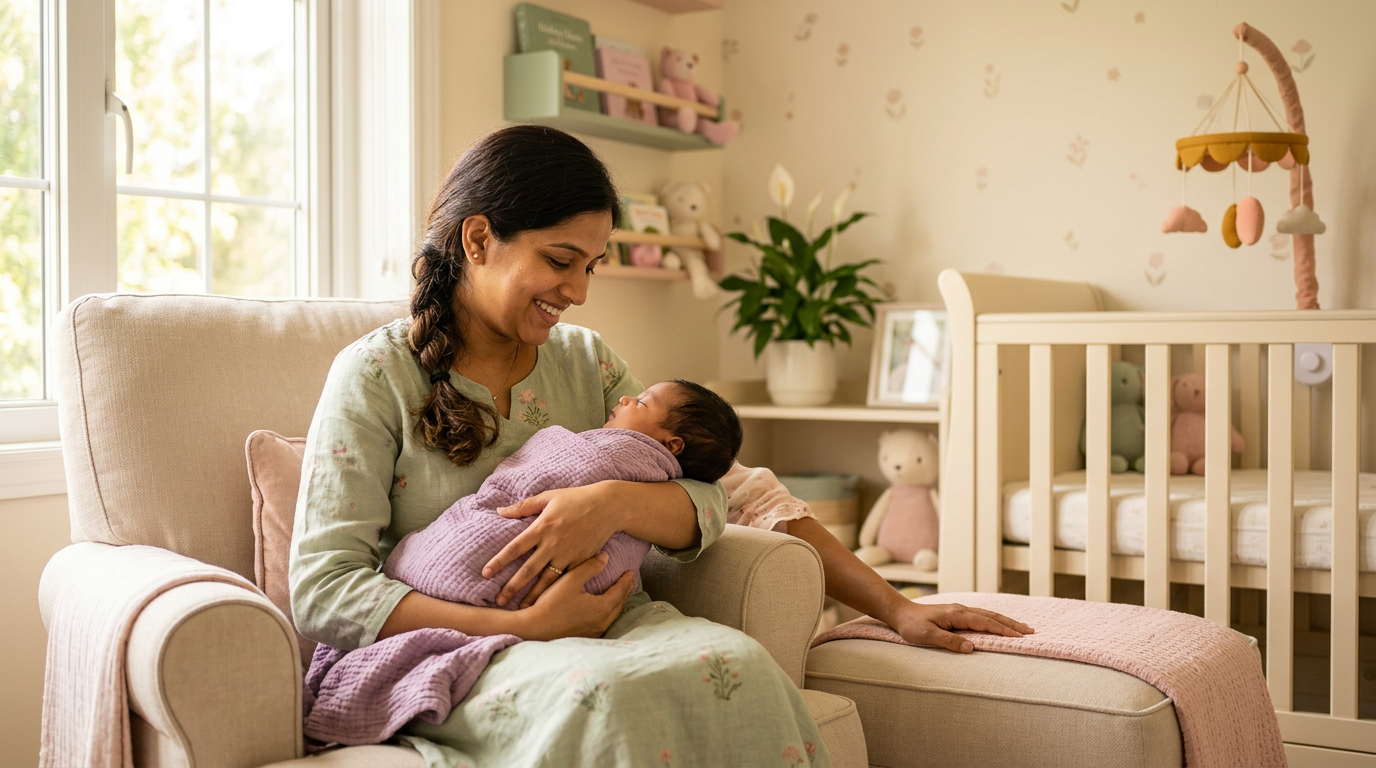
Sustainable postpartum weight loss for Indian moms isn't about fitting into your pre-pregnancy jeans by the naming ceremony (Namkaran). It is a physiological process that takes 6 to 12 months, involving hormonal stabilization, adequate protein intake, and gentle core rehabilitation. Forget the keto diets and "belly fat tea"; focusing on iron-rich Indian meals and pelvic floor health is the only safe way to heal while shedding the baby weight.
When can you actually start postpartum weight loss?
Most Indian households have a 40-day Sawa mahina or Chilla period where the mother is encouraged to rest and eat calorie-dense foods like Gond ke laddoo or Panjiri. While these are excellent for recovery and lactation, they aren't meant for long-term consumption if weight loss is your goal.
Scientifically, your body needs at least 6 weeks of rest. If you had a C-section (LSCS), you might need 8 to 10 weeks before starting anything moderately intense. Rushing into a caloric deficit or heavy lifting too early can lead to uterine prolapse or hernia. Follow a realistic postpartum weight loss timeline that prioritizes healing the internal wound (the placental site) before focusing on the weighing scale.
The Indian Diet Secret: No "Detox," Just Proportions
You don't need expensive avocados or kale smoothies. The traditional Indian thali—dal, chawal, sabzi, and dahi—is perfectly balanced if you fix the surface area of each item.
The Postpartum Plate Method
Safe Postpartum Weight Loss Exercise and Diastasis Recti
Before you start any postpartum weight loss exercise, you must check for Diastasis Recti (DR). This is the separation of the abdominal muscles that happens during pregnancy. Doing traditional crunches or planks with DR will actually make your postpartum belly fat look worse—often called the "mummy pooch."
How to check for DR at home:
* Lie on your back with knees bent.
* Place your fingers above your belly button.
* Lift your head slightly.
* If you feel a gap of more than 2-3 fingers, you have DR.
Focus on Pelvic Floor Exercises (Kegels) and Deep Belly Breathing (Addominal Drawing-in Maneuver) first. Once cleared by your Gynaecologist, start with 20-minute brisk walks in your colony or local park.
Breastfeeding and Weight Loss: Fact vs. Fiction
Is "Stanpaan" (breastfeeding) a magic weight loss pill? Yes and no. Breastfeeding burns about 400-500 calories a day. However, it also makes you intensely hungry.
If you give in to "lactation cookies" and sugary Makhana snacks every time you nurse, you will likely gain weight. Instead, keep a "nursing station" with a 1-liter copper bottle of water, a handful of soaked almonds, and roasted Chana. According to the ICMR (Indian Council of Medical Research), a lactating mother needs extra calories, but those should come from nutrient-dense foods, not sugar-laden sweets.
Real Talk from Indian Moms
- Ananya, Mumbai (Baby age 8 months): "I was so pressured to lose the weight for a cousin's wedding. I tried a juice cleanse and my milk supply dropped overnight. I went back to basic Ghar ka khana and walking, and the weight started falling off naturally."
- Megha, Bangalore (Baby age 14 months): "C-section recovery was slow. I felt guilty for not ‘snapping back.’ My doctor told me it took 9 months to grow the baby, give it at least 9 months to find yourself again. That changed my mindset."
- Supriya, Delhi (Baby age 5 months): "I hired a local Maalish-wali for 3 months. While the massage didn't burn fat, it reduced the water retention (oedema) and helped me stay active enough to start light yoga."
When to Call Your Paediatrician
Your weight loss journey can impact your baby if not done carefully. Watch for these red flags:
* Baby's Weight Gain Stalls: If your caloric deficit is too aggressive, milk quality or quantity might suffer.
* Dehydration Signs in Baby: Fewer than 6 wet nappies in 24 hours.
* Lethargy: If the baby seems unusually sleepy or lacks the energy to latch.
* Fussy Behaviour: Excessive crying during or after feeds which might indicate a change in milk taste due to extreme maternal fatigue or lactic acid buildup (from very intense exercise).
Frequently Asked Questions
Is postpartum weight loss safe while breastfeeding?
Yes, postpartum weight loss is safe while breastfeeding as long as you do not drop below 1800 calories per day. Rapid weight loss can release toxins stored in your fat into the bloodstream and potentially into the breast milk. Aim for a slow loss of 0.5kg per week.
How can I start postpartum weight loss exercise after a C-section?
You should wait for your 6-week postnatal checkup. Start with walking. Avoid any heavy lifting or high-impact jumping for at least 12 weeks to allow the internal uterine incision and layers of the abdominal wall to heal. Always wear a supportive high-waisted legging or a doctor-recommended abdominal binder if it provides comfort.
What is a realistic postpartum weight loss timeline in India?
A realistic postpartum weight loss timeline involves losing the immediate "fluid weight" in the first 2 weeks, followed by a plateau until 3 months as hormones like Prolactin stay high. Most Indian women see significant changes between 6 and 12 months postpartum as they return to regular activity and the baby starts solids.
How to get rid of postpartum belly fat naturally?
Reducing postpartum belly fat requires a combination of "Core Re-patterning" (not just sit-ups) and a diet low in refined sugar and flour (Maida). Since you cannot spot-reduce fat, focusing on overall body fat percentage through a high-protein Indian diet is the most effective natural method.
Are there any Indian herbs that help with weight loss?
While Methi (fenugreek) and Ajwain water are traditionally used to aid digestion and milk supply, there is no "magic herb" for weight loss. They may slightly boost metabolism, but they cannot override a high-calorie diet.
Can I join a gym 3 months after delivery?
If you had a vaginal delivery without complications and your pelvic floor is strong (no leaking when you sneeze!), you can start light gym work. However, avoid heavy squats or "PR" (Personal Record) lifting until 6 months.
Postpartum health is a marathon, not a sprint through a Bollywood montage. Your body has performed a miracle by growing a human being; the least you can do is give it the grace and the Paushtik (nutritious) food it deserves during this transition. Focus on how you feel—your energy levels for your baby and your strength—rather than just the number on the scale.
Repeat after me: My body is not "out of shape"; it is a body that changed shape to create life.
Sources & further reading
- ICMR-National Institute of Nutrition: Dietary Guidelines for Indians
- FOGSI: Postpartum Care Guidelines
- WHO: Postnatal care for mothers and newborns
Written by Dr. Ritu Sharma, MD (Obstetrics & Gynaecology)
Reviewed by TheMamaCircle Editorial Team
Last updated: 6 July 2026
This article is for general information only and is not a substitute for personalised medical advice. Always consult your paediatrician or obstetrician for your specific situation.