Postpartum Weight Loss India: Safe Guide to Diet & Exercise
Lose postpartum weight safely with an Indian diet. Learn the real timeline, safe exercises after C-section, and how to fix belly fat. Start your recovery now!
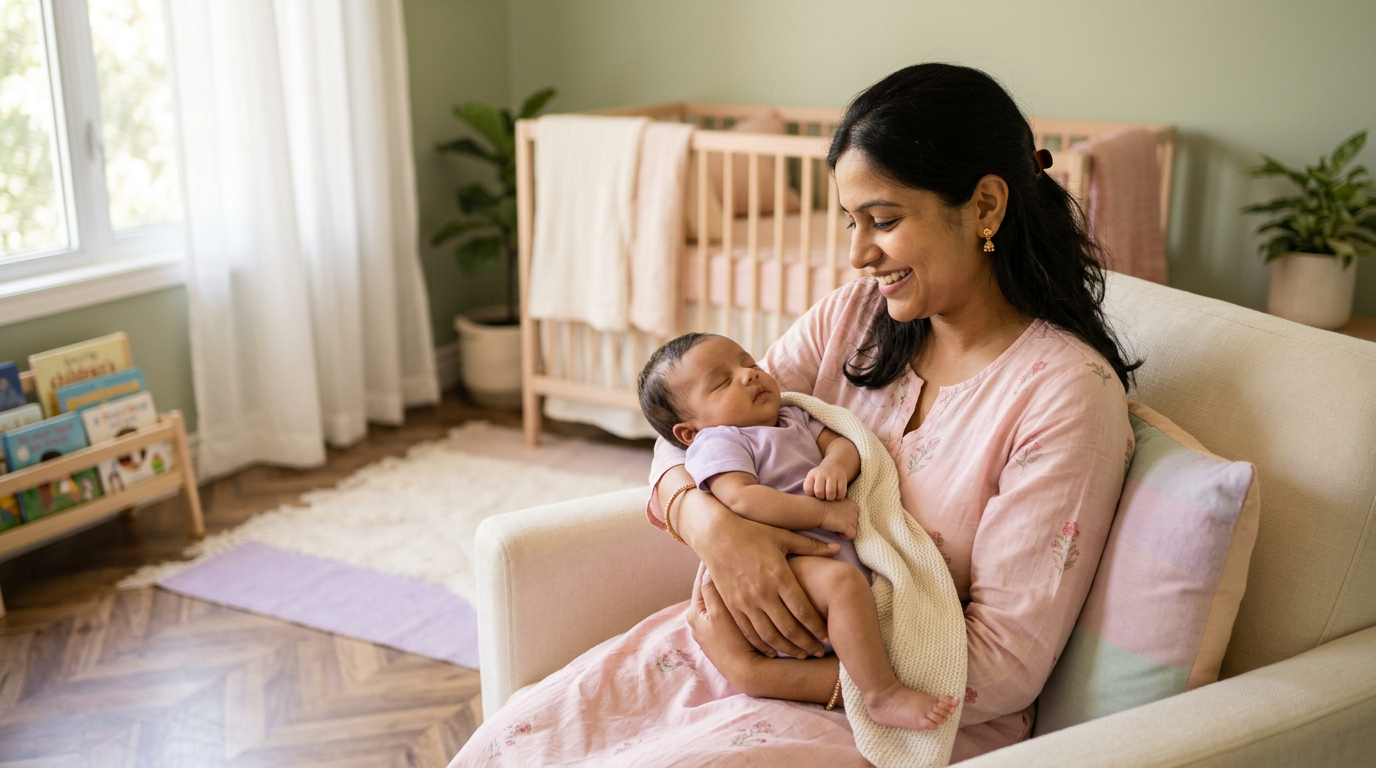
If you are looking for a magic pill for postpartum weight loss India edition, let’s be honest: your sasu maa’s panjiri and the local gym trainer’s crash diet are both usually wrong. Most Indian mothers can safely expect to lose about 0.5 to 1 kg per month after the initial six-week recovery period, provided they balance nutrition with gentle movement. The goal isn't to fit back into your wedding lehenga by the first birthday, but to rebuild a core that has been stretched to its limit while nourishing a tiny human.
How long does it really take to lose the baby weight?
The postpartum weight loss timeline is not a sprint; it’s more like a slow walk through Lodhi Garden. Your body spent nine months shifting organs and stretching skin to accommodate a baby. Expecting it to "bounce back" in 40 days of sawa-mahina (confinement) is biologically impossible.
The Realistic Indian Timeline
* Weeks 0-6: Healing phase. Focus on pelvic floor health and deep breathing.
* Months 3-6: Metabolic stabilization. This is when postpartum weight loss usually becomes more visible as breastfeeding hormones regulate.
* Months 6-12: Strength rebuilding. You can gradually increase intensity once the baby starts solids.
Is postpartum weight loss India-specific diet possible with Dal-Chawal?
Many Indian moms feel they must switch to expensive kale and quinoa, but the most sustainable way to achieve postpartum weight loss India is through our traditional thali. The ICMR (Indian Council of Medical Research) suggests that lactating mothers need an extra 500-600 calories per day, but these should come from nutrient-dense sources, not sugar-soaked laddoos.
How to structure your Indian meals:
* The 2:1:1 Rule: Fill half your steel thali with local sabzi (lauki, turai, or palak), one-fourth with protein (dal, chole, paneer, or eggs), and one-fourth with complex carbs (hand-pounded rice or whole wheat rotis).
* Portion Control with Ghee: Ghee is essential for fat-soluble vitamins (A, D, E, K), but limit it to 2-3 teaspoons a day. You don't need to bathe your rotis in it to produce milk.
Smart Hydration: Instead of sugary fruit juices, stick to chaas (buttermilk), coconut water, or ajwain* water, which is traditionally believed to aid digestion.
Snack Alternatives: Swap the digestive biscuits (which are often just maida) for roasted makhana* (fox nuts) or a handful of soaked almonds.
When can I start postpartum weight loss exercise?
The biggest mistake is jumping into high-impact HIIT before your pelvic floor is ready. Whether you had a normal delivery or a C-section, your core needs a "rehab" phase. Before starting any postpartum weight loss exercise, perform a self-check for Diastasis Recti (abdominal separation).
Safe milestones for Indian Mamas:
How to get rid of postpartum belly fat?
The stubborn "mummy pooch" or postpartum belly fat is often more about muscle laxity than just fat storage. In India, the tradition of pet bandhna (belly wrapping) with a cotton sari is common. While it provides back support and "reminds" your muscles to stay engaged, it does not "melt" fat. Weight loss happens through a caloric deficit, while the belly appearance improves through core strengthening.
Dealing with the "Mummy Pooch":
Posture Correction: We often slouch while breastfeeding (stanpaan*). Keeping your spine tall prevents the belly from protruding further.
* Avoid "Crunch" Culture: Standard crunches can worsen abdominal separation. Focus on "locking" your navel to your spine while exhaling.
* Protein is King: Since the Indian diet is often carb-heavy, increasing protein intake (aim for 1.2g per kg of body weight) helps in muscle repair and satiety.
Real talk from Indian moms
> "Everyone told me I had to eat 'Gond ke laddoo' for three months to have enough milk. I gained 5kg after the baby was born! Once I switched to normal Ghar ka khana and 30-minute walks, the weight finally started moving." — Ayesha, Mumbai (Mother of 8-month-old)
> "I thought my C-section meant I couldn't move for six months. My doctor corrected me—walking is the best medicine. I lost 12kg in a year just by being consistent with my meals and evening strolls." — Preeti, Bengaluru (Mother of 14-month-old)
When to call your doctor
Postpartum weight loss should never come at the cost of your mental or physical health. Contact your OB-GYN or a specialist if you experience:
* Extreme fatigue that prevents you from caring for your baby (could be iron deficiency or thyroid issues).
* Heavy vaginal bleeding after increasing physical activity.
* Sharp pain at your C-section incision site.
* Leaking urine when you sneeze or cough (Stress Urinary Incontinence).
* Signs of Postpartum Depression or Anxiety (PPD/PPA).
Frequently Asked Questions
How can I achieve postpartum weight loss?
Successful weight loss requires a combination of a 300-500 calorie deficit, a protein-rich Indian diet (including dals and sprouts), and at least 150 minutes of moderate activity per week once cleared by a doctor.
What is the best postpartum weight loss exercise?
Walking is the gold standard for beginners. Once you are 12 weeks postpartum, you can introduce strength training or postnatal yoga to rebuild muscle mass, which helps burn calories even at rest.
How do I handle postpartum belly fat?
Focus on healing Diastasis Recti through deep core engagement exercises like pelvic tilts and bird-dog stretches. Avoid high-pressure movements like planks until your core is stable.
Does breastfeeding help with weight loss in India?
Yes, breastfeeding can burn about 300-500 calories a day. However, it often triggers intense hunger cravings for sweets/carbs. Use this "calorie burn" to eat more protein and vegetables rather than treats.
Is it safe to follow a keto diet for postpartum weight loss India?
No, extreme restrictive diets like Keto or Intermittent Fasting are generally not recommended during the first six months, especially if you are breastfeeding, as they can impact milk supply and energy levels.
Patience is your best friend right now. Your body did something miraculous, and it deserves kindness, not a crash diet. Focus on strength first, and the scale will eventually follow. Focus on the shakti you have, not the size you were.
Sources & further reading
- ICMR-NIN Dietary Guidelines for Indians
- FOGSI Postpartum Care Guidelines
- National Health Portal India - Postnatal Care
Written by Dr. Ritu Sharma, MD (Obstetrics & Gynaecology)
Reviewed by TheMamaCircle Editorial Team
Last updated: 12 July 2026
This article is for general information only and is not a substitute for personalised medical advice. Always consult your paediatrician or obstetrician for your specific situation.