Baby Care Essentials Guide: Best Items for Indian Moms
Essential baby care essentials for Indian moms: from mulmul jhablas to BIS-approved hygiene products. Build your perfect baby essentials kit today!
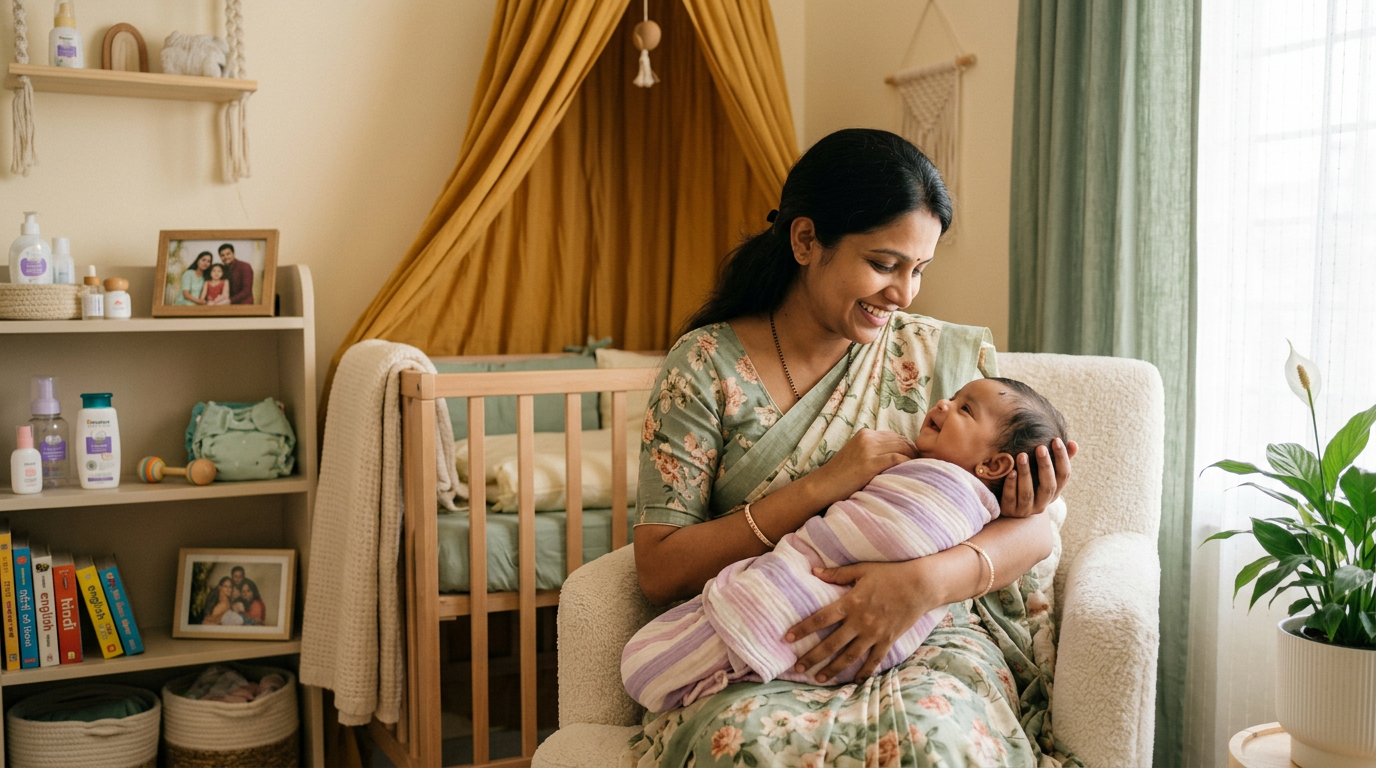
The moment you bring your little one home, life becomes a whirlwind of diapers, feedings, and sleepless nights. To manage the chaos, you need a curated list of baby care essentials that actually work in an Indian household. Forget the 50-item international checklists; you need high-quality mulmul, the right maalish oil, and hygiene products that meet Indian safety standards (BIS). This guide covers everything from the hospital bag to your first six months at home.
What are the must-have baby care essentials for Indian homes?
In India, our climate ranges from humid heat to dry winters, and our homes often house multiple generations. Your baby care essentials need to be breathable, washable, and approved by both your Sasu Maa and your paediatrician.
1. Clothing and Linens: The Mulmul Magic
Western onesies are cute, but nothing beats the traditional Indian Jhabla for a newborn.
* Cotton Jhablas: Buy at least 15-20. They are breathable and easy to change during frequent spit-ups.
* Mulmul Swaddles: These are lightweight and prevent overheating in the Indian heat.
* Langots (Cloth Nappies): Even if you use disposables, having 20+ padded cloth langots is essential for "air time" to prevent diaper rash.
* Cap, Mittens, and Booties: Essential for the first month to keep the baby warm, especially in air-conditioned rooms.
2. The Maalish Kit
Massage is an integral part of Indian baby care. The Indian Academy of Paediatrics (IAP) suggests that massage promotes growth and bone health.
* Massage Oils: Virgin Coconut oil (best for summers/humid areas) or Sesame/Almond oil (better for winters). Ensure the oil is cold-pressed and free from mineral oils.
* Plastic/Rubber Mats: Use a "Quick Dry" sheet or a traditional rubber mat covered with a towel to prevent oil stains on your bed.
Ubtan (with caution): Traditional Besan or Atta* ubtans are common, but skip the scrubby textures; a newborn’s skin is 30% thinner than ours.
newborn essentials india always prioritize skin-friendly fabrics and traditional wisdom backed by modern safety.Choosing the right baby hygiene products
Hygiene isn't just about baths; it's about preventing infections. When shopping for baby hygiene products, look for the "IS 4707" mark on labels, which ensures the ingredients meet Indian safety standards for cosmetics.
Bathing Essentials
* Head-to-Toe Wash: Choose a pH-neutral (pH 5.5), soap-free cleanser.
* Soft Hooded Towels: 2-3 towels are enough.
Baby Bathtub: Look for one with an anti-slip base. Sitting on the floor for a traditional baalti* bath is great, but a tub is easier on a recovering mama’s back.
Diapering and Grooming
* Water-Based Wipes: Look for 99% water wipes. In India, many traditional wipes contain harsh fragrances that react poorly with heat and sweat.
* Diaper Rash Cream: Zinc oxide-based creams are the gold standard.
* Nail Clippers: Use a dedicated baby nail trimmer or electric file to avoid nipping those tiny fingers.
Feeding and Nursing: Beyond the Basics
Whether you are exclusively breastfeeding (stanpaan) or using formula, these baby care items help streamline the process.
* Nursing Pillows: Cruelty-free, firm pillows help with positioning, especially after a C-section.
* Burp Cloths: You can never have enough. Use old soft cotton sarees cut into squares for the best absorption.
* Sterilisers: If using bottles, an electric steam steriliser is safer than just "rinsing with hot water" in areas where groundwater quality varies.
* Breast Pump: A manual or electric pump is a lifesaver for when you need a break or are returning to work.
Safety and Healthcare Setup
The IAP (Indian Academy of Paediatrics) recommends keeping a basic first-aid kit at home.
* Digital Thermometer: Rectal or underarm is most accurate for infants.
* Nasal Aspirator: Essential for clearing stuffy noses, especially during seasonal changes in Delhi or Mumbai.
* Vitamin D3 Drops: Most Indian babies are prescribed 400 IU of Vitamin D3 daily for the first year.
Hand Sanitisers: Keep these at the entrance for all the Maasis and Chachis* who want to hold the baby.
Real talk from Indian moms
> "I spent a fortune on fancy sleeping pods, but my son only slept in the old cotton jhoola my mother-in-law made. Sometimes the old ways really are better for the Indian climate." — Anjali, Chennai (Mom to 4-month-old)
> "Check your diaper brands. I switched to cloth diapers during the day to save money (those ₹12 per diaper add up!) and only used disposables at night. My baby’s skin thanked me." — Megha, Pune (Mom to 9-month-old)
> "Don't buy too many newborn-sized clothes. My daughter outgrew her 0-3 month Jhablas in three weeks! Buy '0-6 months' size instead." — Kritika, Delhi (Mom to 1-year-old)
When to call your paediatrician
While having the right baby care essentials helps, you must monitor your baby’s health closely. Consult a doctor immediately if:
* Your baby has a fever higher than 100.4°F (38°C).
* The baby is unusually lethargic or refuses two consecutive feeds.
* You notice fewer than 6 wet diapers in 24 hours (sign of dehydration).
* The umbilical cord stump looks red, swollen, or smells bad.
* Persistent vomiting or a change in stool colour to white, red, or black.
Frequently Asked Questions
What are the most important baby essentials for a summer baby?
In India, summer demands breathable cotton. Focus on mulmul jhablas, talc-free dusting powders (use sparingly), and plenty of langots for air-time. Avoid heavy blankets or thick mattresses; a firm, flat surface is best for SIDS prevention.
How do I choose the best baby care items for sensitive skin?
Look for products labeled "Dermatologically Tested" and free from parabens, phthalates, and SLS. Ensure they comply with IS 4707 standards. Always do a patch test on the baby's leg before applying any new oil or lotion to the whole body.
Which baby hygiene products are necessary for travel?
A travel-friendly baby hygiene kit should include water-based wipes, a portable changing mat, hand sanitiser, diaper disposal bags, and a small bottle of liquid cleanser. Don't forget a small mosquito repellent (patches are great for strollers).
Is it expensive to buy newborn essentials in India?
A basic set of baby essentials can cost between ₹5,000 to ₹15,000 depending on the brands. Opting for cloth nappies (langots) and local cotton clothing from markets like Gandhi Nagar (Delhi) or T. Nagar (Chennai) can significantly reduce costs.
How many diapers do I need in a daily baby care kit?
Newborns often go through 8–12 diapers a day. Whether you use cloth or disposables, ensure you have a week's supply ready.
Building your kit of baby care essentials doesn't mean buying out the store. It means choosing quality over quantity and prioritizing items that suit our unique Indian environment. Take it one day at a time, Mama; you're doing great.
I am doing my best, and that is enough for my baby today.
Sources & further reading
- Indian Academy of Paediatrics (IAP) - Newborn Care
- National Health Portal (NHP) India - Baby Care
- Bureau of Indian Standards (BIS) - Safety of Toys and Cosmetics
Written by Priya Raman, Certified Prenatal Yoga Instructor & Mama of two
Reviewed by TheMamaCircle Editorial Team
Last updated: 3 July 2026
This article is for general information only and is not a substitute for personalised medical advice. Always consult your paediatrician or obstetrician for your specific situation.