Baby Hygiene Products: A Guide to Essentials in India
Discover the best baby hygiene products for Indian homes. From pH-balanced washes to cloth langots, learn how to protect your newborn's skin safely.
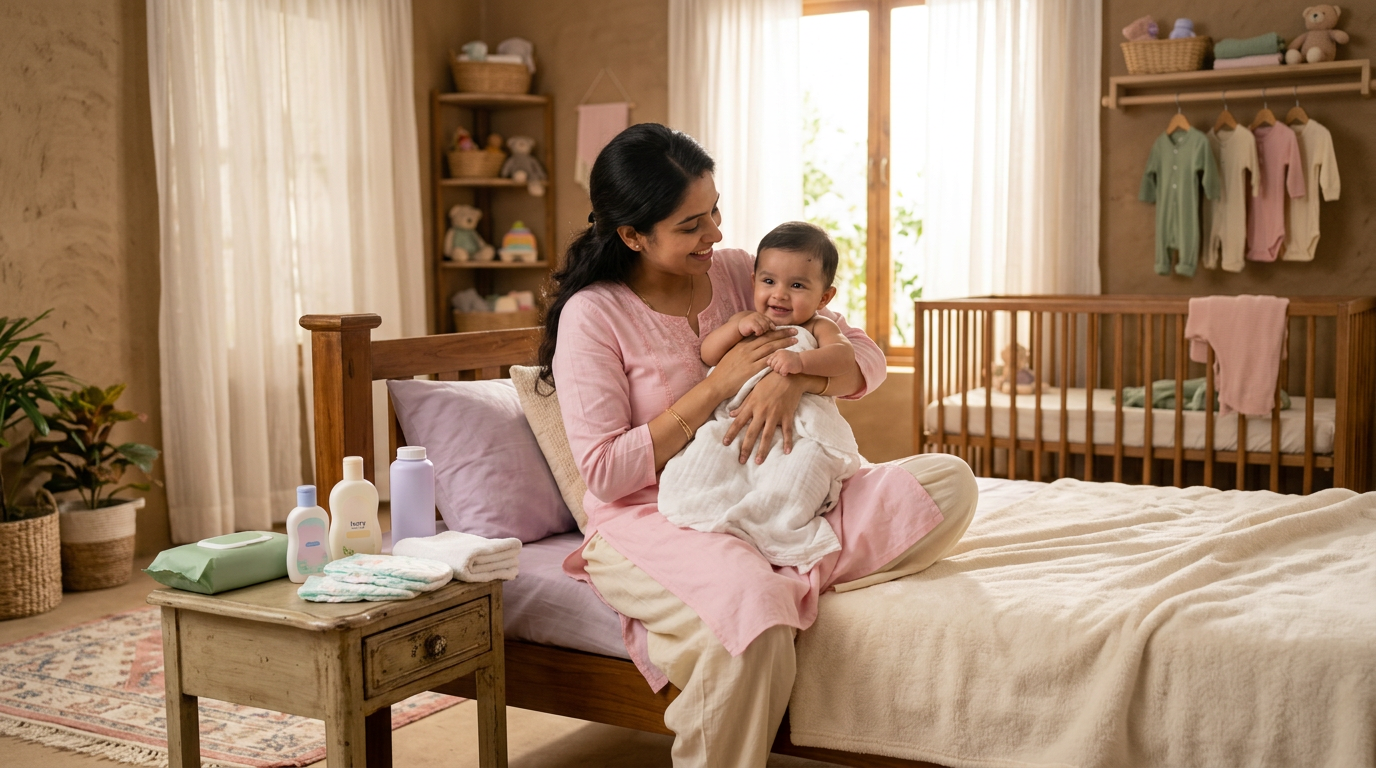
Choosing the right baby hygiene products in India is less about following Instagram trends and more about understanding our unique environment—the dust, the humidity, and the wisdom of our grandmothers. For a newborn’s thin, permeable skin, hygiene isn’t just about being \"clean\"; it is about maintaining the acid mantle and preventing infections while navigating the Delhi heat or Mumbai monsoons. You need products that are BIS-compliant and free from harsh surfactants like SLS.
Why Quality Baby Hygiene Products Matter in the Indian Context
In India, we face high levels of environmental pollutants and varying humidity. A baby’s skin is 30% thinner than an adult's, making it highly susceptible to rashes and chemical absorption. When you are looking for baby care essentials, you aren't just buying soap; you are building a barrier against the world.
The Indian Academy of Pediatrics (IAP) suggests that skincare for neonates should focus on maintaining skin pH (which is around 5.5) and avoiding fragrances that can trigger respiratory allergies or dermatitis. Whether it’s a maalish oil that won’t clog pores or a soap-free cleanser, every choice impacts your baby’s long-term skin health.
The Essential Baby Hygiene Kit: A Category Breakdown
Buying newborn essentials india can feel like a marathon through a pharmacy. Let’s simplify the must-haves into logical categories.
1. Bathing and Cleansing
Gone are the days of using harsh besan (gram flour) rubs that can scratch delicate skin. While traditional, modern science suggests gentler alternatives.
* Syndet Bars or Liquid Cleansers: Look for soap-free formulas. Ensure they have a pH of 5.5.
* Tear-free Shampoo: Essential for avoiding bath-time "drama."
* Cotton Wool: For the first few weeks, use sterilized cotton pads dipped in warm water instead of wipes to clean the diaper area.
2. Diapering Essentials
Diaper rash is the bane of an Indian mom’s existence, especially during the humid months.
* Cloth Langots and Modern Cloth Diapers (MCDs): Great for breathability at home.
* Barrier Creams: Look for ingredients like Zinc Oxide. This creates a physical shield between the skin and moisture.
* Water-based Wipes: Ensure they are 99% water and fragrance-free.
3. Skin Hydration and Massage
Maalish is a non-negotiable ritual in most Indian homes. However, the choice of oil depends on the season.
* Virgin Coconut Oil: Best for summers and has antimicrobial properties.
* Sesame or Mustard Oil: Traditionally used in North India during winters (though avoid mustard oil if the baby has sensitive skin or eczema).
* Hypoallergenic Moisturizer: Use this within 3 minutes of a bath to "lock in" hydration. You can track your baby's growth and skin progress using our baby growth chart.
How to Choose Safe Baby Hygiene Products?
Every product sold in India should ideally follow IS 4707 standards set by the Bureau of Indian Standards (BIS). When reading labels, look for these markers:
* Paraben-Free: Parabens are preservatives that can mimic hormones.
* Phthalate-Free: Often found in "fragrances," these are linked to developmental issues.
* No SLS/SLES: These create foam but strip the skin of natural oils.
* Dermatologically Tested: This ensures the product was tested on human skin under medical supervision.
If your baby is reaching certain baby milestones tracker, like crawling, their hygiene needs will change as they start touching everything on the floor (hello, hand sanitizers and floor cleaners!).
Managing Cradle Cap and Diaper Rash
In our climate, "Cradle Cap" (Seborrheic Dermatitis) is common. It looks like yellowish, oily scales on the scalp. Don't pick at them! Use a mild baby care items like a pH-neutral shampoo and a soft brush.
For diaper rashes, the "ABC" rule works best:
* A - Air: Give plenty of diaper-free time on a waterproof mat.
* B - Barrier: Apply a thick layer of zinc-based cream.
* C - Clean: Use plain water and pat dry—never rub.
Real Talk from Indian Moms
> "I spent 2000 rupees on a fancy imported wash, but my daughter got a massive rash. My sasu maa suggested switching to simple coconut oil and a soap-free wash from the local chemist. Her skin cleared up in three days." — Priya S., Bengaluru (Mom to 4-month-old)
> "Living in a joint family, everyone has an opinion on ubtan. I compromised by using a very fine, homemade oats powder instead of coarse besan. It’s gentle and keeps the elders happy!" — Megha R., Lucknow (Mom to 7-month-old)
When to Call Your Paediatrician
While most hygiene issues can be managed at home, watch out for these red flags:
* Pus-filled blisters or yellowish crusting (could be Impetigo).
* Rashes that bleed or look bright red and angry despite barrier creams.
* High fever accompanying a skin rash.
* Persistent cradle cap that spreads to the face or neck.
* Extreme dryness where the skin cracks and bleeds.
Frequently Asked Questions
Which baby hygiene products are essential for a newborn?
The bare minimum includes a pH-neutral cleanser, a zinc-based diaper cream, coconut oil for massage, and sterilized cotton balls for cleaning. Avoid powders as they pose an inhalation risk.
Are herbal baby care items always safer?
Not necessarily. "Herbal" doesn't mean "hypoallergenic." Some natural extracts like sandalwood or certain essential oils can be too strong for a newborn. Always do a patch test on the baby's leg first.
How do I choose the best baby care essentials for Indian summers?
Focus on light, water-based lotions rather than heavy creams. Increase diaper-free time to prevent heat rashes (ghamori). Use a very mild, soap-free cleanser to wash off sweat and dust twice a day if needed.
Can I use the same baby essentials for my toddler?
Yes, but toddlers often need stronger sun protection if they are playing outside. Also, move from finger brushes to soft-bristled age-appropriate toothbrushes as more teeth erupt.
Is it okay to use scented baby hygiene products?
It is best to avoid them for the first 6 months. Artificial fragrances are the #1 cause of skin irritation and can sometimes trigger wheezing in sensitive infants.
What is the average price range for a monthly hygiene kit in India?
A basic, high-quality kit (wash, lotion, oil, wipes) usually costs between ₹800 to ₹1,500 per month, depending on the brands chosen.
Hygiene is the foundation of your baby’s health, but it doesn't have to be complicated. Stick to the basics: keep them dry, keep them moisturizing, and keep them clean with products that respect their delicate skin barrier. You’ve got this, Mama.
I am doing my best, and my baby is safe and loved.
Sources & further reading
- Indian Academy of Pediatrics - Skincare Guidelines
- Bureau of Indian Standards (BIS) - Cosmetics Standards
- World Health Organization - Newborn Health
Written by Dr. Anjali Mehta, MBBS, DCH (Paediatrics)
Reviewed by TheMamaCircle Editorial Team
Last updated: 30 July 2026
This article is for general information only and is not a substitute for personalised medical advice. Always consult your paediatrician or obstetrician for your specific situation.