Postpartum Depression in Hindi: Symptoms, Causes & Help
Postpartum depression in hindi is known as Prasavottar Avasad. Learn PPD symptoms, causes, and treatment to move past the baby blues. You aren't alone, Mama!
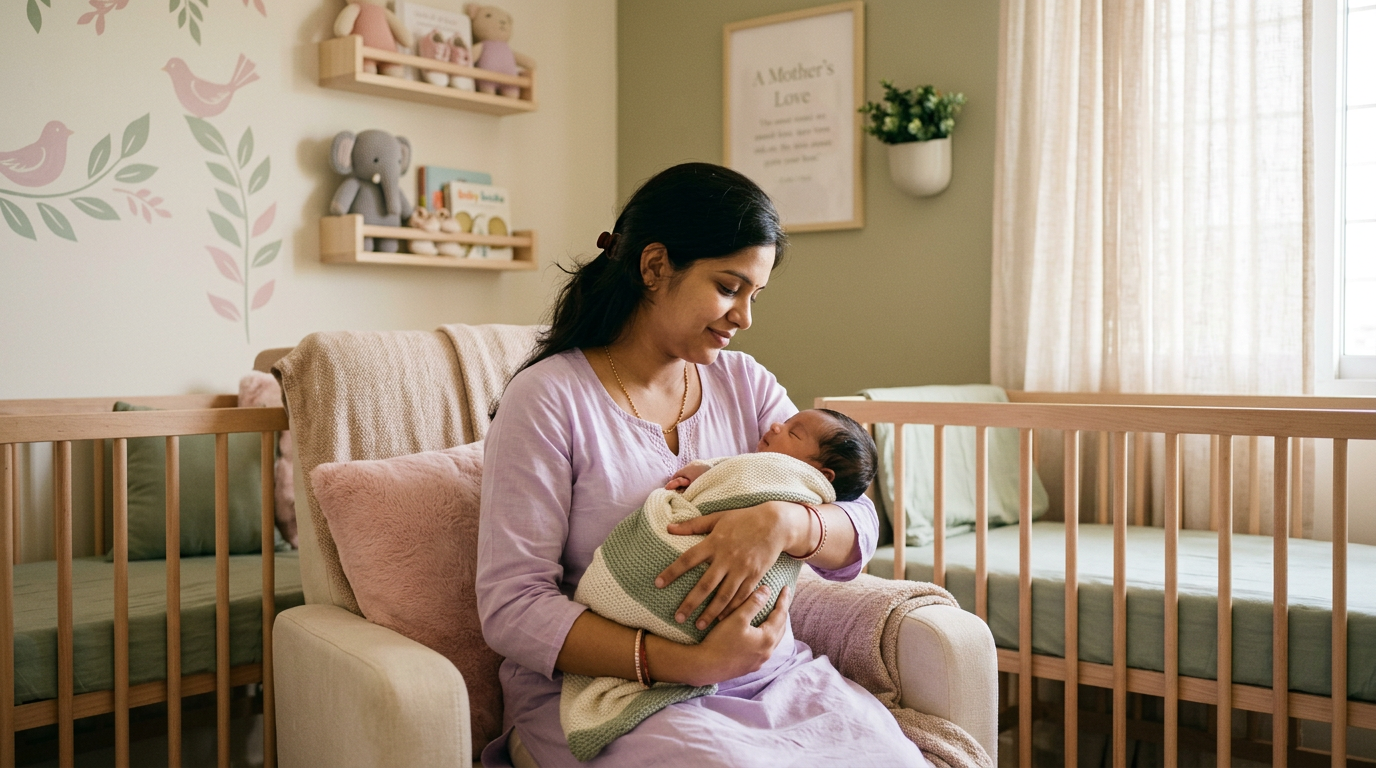
If you are looking for information on postpartum depression in hindi, you are likely searching for 'Prasavottar Shavas' or 'Postpartum Avasad'—terms that basically mean the deep, overwhelming sadness that can hit a new mother. Millions of Indian women wonder, 'Postpartum depression kya hota hai?' (What is PPD?). It is a clinical mental health condition, not just 'tiredness' or 'new mom nerves,' that requires medical attention, support, and sometimes medication to ensure both mum and baby stay safe.
What exactly is Postpartum Depression in Hindi? (Postpartum Depression Kya Hota Hai?)
In many Indian households, we have a beautiful tradition of 'Sava Mahina' (the first 40 days of confinement), where the mother is given Gond Ke Laddoo, Ajwain water, and daily maalish. However, even with all this physical care, the mind can struggle. Postpartum depression in hindi is often described by elders as 'mann ka bhari hona' or 'bacche mein mann na lagna.'
Unlike the 'Baby Blues'—which affects up to 80% of mothers and disappears within 10-14 days—postpartum depression is a more severe, long-lasting disorder. If you are feeling hopeless, unable to bond with your baby, or having intrusive thoughts long after the Sutika period (postpartum phase) has begun, it is time to seek professional help.
Common Postpartum Depression Symptoms to Watch For
Recognizing the postpartum depression symptoms is the first step toward recovery. In India, moms often hide these feelings because of the pressure to be a 'Ghar ki Laxmi' or the perfect, selfless mother.
Physical and Emotional Red Flags:
Excessive Crying: Crying for no clear reason, even when the baby is sleeping or the Sasu Maa* is helping.
* Severe Anxiety: Constantly worrying that you are doing something wrong or that something will happen to the baby.
Sleep Disturbances: Not being able to sleep even when the baby is asleep (insomnia*).
Appetite Changes: Either eating too much panjiri* and comfort food or having no desire to eat at all.
* Postpartum Rage: Feeling sudden, intense anger toward your partner or elders.
* Difficulty Bonding: Feeling like the baby is a stranger or feeling no 'spark' of love.
Why Does it Happen? Understanding Postpartum Depression Causes
Many people wrongly think PPD happens because a woman is 'weak' or 'not religious enough.' This is false. The postpartum depression causes are biological and situational:
Screening and Diagnosis: The EPDS Scale
In India, the Edinburgh Postnatal Depression Scale (EPDS) is the gold standard used by doctors at AIIMS and other leading hospitals. It is a 10-question survey that helps us understand if your 'blues' have turned into clinical depression. If you score above 10 or 13, you need to talk to a psychiatrist or a clinical psychologist immediately.
Postpartum Depression Treatment Options in India
Getting postpartum depression treatment does not mean you are 'crazy' or a bad mother. It means you are taking care of your health so you can be the best mom possible.
* Therapy (Counselling): Cognitive Behavioral Therapy (CBT) is highly effective. You can find therapists in cities like Mumbai, Delhi, or Bangalore who offer sessions in Hindi, English, or regional languages. Online therapy prices in India typically range from ₹800 to ₹3,000 per session.
Medication: Antidepressants (SSRIs) are often safe even if you are practising stanpaan* (breastfeeding). Always consult your doctor before starting any medication.
* Support Groups: Connecting with other Indian moms who understand the struggle of managing a newborn while living with in-laws can be life-changing.
Real talk from Indian moms
> "I thought I was just tired from the 2 AM feeds. But when I found myself crying into the dal fry every afternoon while my mother-in-law held the baby, I knew it was more. My doctor explained postpartum depression in hindi as an illness, not a choice. Therapy saved me." — Megha, 29, Lucknow (Baby 4 months old)
> "In our family, we don't talk about 'depression.' My mother said I needed more Ghee. But I couldn't even pick up my daughter. Seeing a psychiatrist at a government hospital was the bravest thing I ever did." — Anjali, 32, Pune (Baby 6 months old)
When to call your paediatrician
While you should talk to your OB-GYN about your own health, your paediatrician is often the person you see most during the first few months. Call them or your doctor immediately if:
* You have thoughts of harming yourself or your baby.
* You are hearing voices or seeing things that aren't there (Postpartum Psychosis).
* You are unable to perform basic tasks like bathing or feeding the baby.
* Your 'blues' have lasted longer than two weeks.
* You feel severe 'Postpartum Rage' where you feel you might lose control.
Frequently Asked Questions
What is postpartum depression in hindi?
Postpartum depression in hindi refers to Prasavottar Avasad. It is a serious mental health condition that occurs after childbirth, involving persistent sadness, fatigue, and a lack of interest in the baby or daily activities.
What are common postpartum depression symptoms?
Typical postpartum depression symptoms include severe mood swings, excessive crying, difficulty bonding with the baby, loss of appetite, and thoughts of self-harm or harming the infant.
What are the main postpartum depression causes?
The primary postpartum depression causes include a radical drop in hormones (estrogen and progesterone) after birth, sleep deprivation, physical exhaustion, and emotional stress related to the new responsibility of motherhood.
Is postpartum depression treatment available in India?
Yes, postpartum depression treatment is widely available in India through psychiatrists and psychologists. Options include talk therapy, medication, and support groups like the Vandrevala Foundation or NIMHANS helplines.
How long does postpartum depression last?
Without treatment, PPD can last for months or even years. However, with the right intervention, many women start feeling better within a few weeks of starting therapy or medication.
Can I breastfeed while on PPD medication?
Many medications for depression are considered safe for breastfeeding mothers. Your doctor will weigh the benefits of treatment against any minimal risks to the baby.
Mama, if you are struggling today, please know that this is not your fault. You are not a 'weak' woman or an 'unfit' mother for feels this way. Just as you would treat a physical wound from a C-section or a tear, you must treat your mind. Reach out to a professional today—you deserve to enjoy your baby's bachpan.
You are a good mother, and you are doing the best you can.
Sources & further reading
- National Health Portal (NHP) India - Postpartum Depression
- FOGSI - Mental Health in Pregnancy and Postpartum
- NIMHANS - Perinatal Psychiatry Services
- WHO - Maternal Mental Health
Written by Dr. Ritu Sharma, MD (Obstetrics & Gynaecology)
Reviewed by TheMamaCircle Editorial Team
Last updated: 17 July 2026
This article is for general information only and is not a substitute for personalised medical advice. Always consult your paediatrician or obstetrician for your specific situation.