Postpartum Diet Guide: Best Indian Foods for Fast Recovery
The ultimate Indian postpartum diet guide: from Gond laddus to clinical nutrition. Learn what to eat for recovery and milk supply. Your healing starts here!
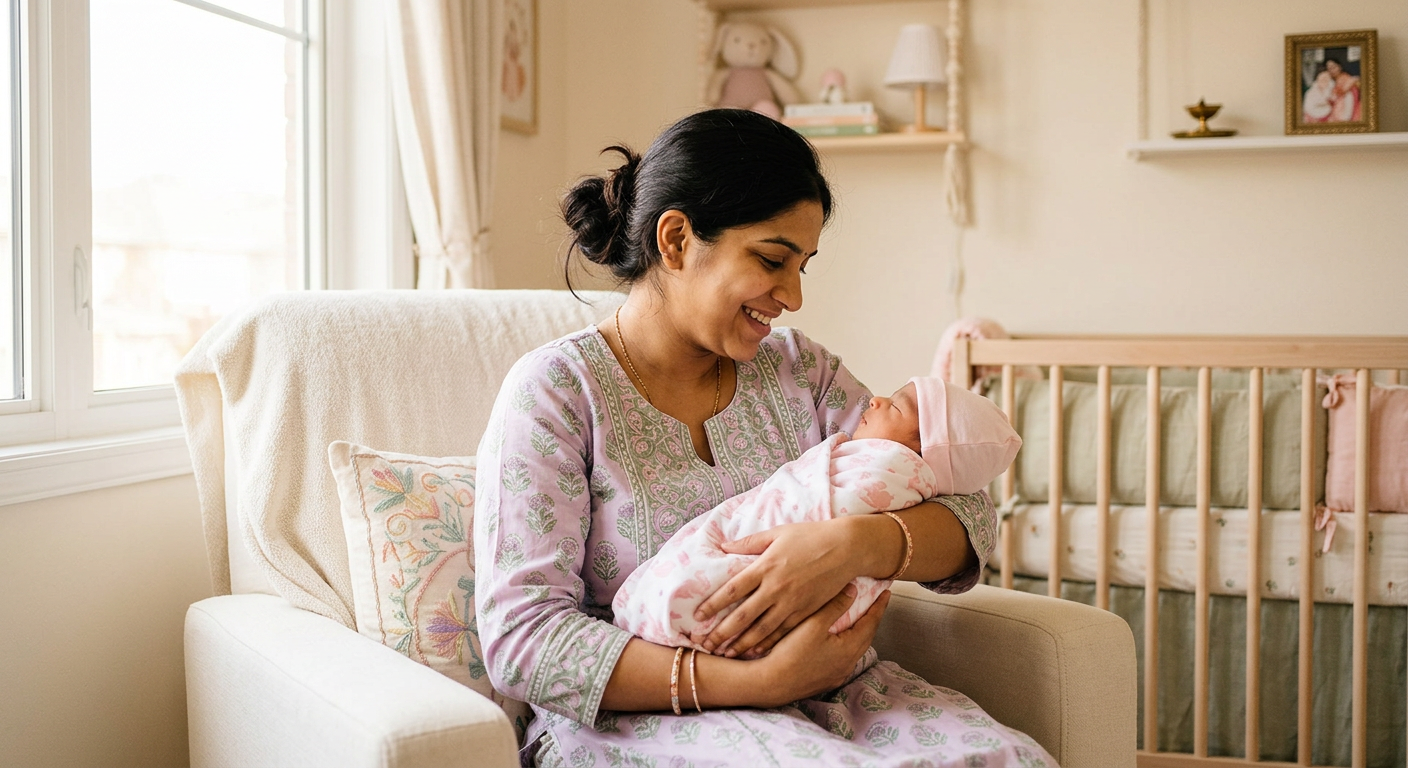
The first forty days after delivery—often called the Sawa Mahina or Jaapa period in India—are not just about the baby; they are about rebuilding you. A traditional postpartum diet focuses on healing the uterine tissues, replenishing blood loss, and supporting lactation. By combining ancestral wisdom like Gond ke Laddu with modern clinical nutrition guidelines from the ICMR (Indian Council of Medical Research), you can recover faster, manage postpartum hair fall, and sustain your energy levels through those sleepless nights.
Why Your Postpartum Diet Needs a Custom Indian Approach
Post-delivery, your body is in a state of 'Vata' imbalance according to Ayurveda, needing warm, soft, and easily digestible foods. Unlike the Western focus on green salads (which can be too 'cold' and gas-inducing for a new Indian mom), our postpartum food traditions emphasize "Agni" or digestive fire.
The goals of a successful postpartum diet are:
The Essential Components of an Indian Postpartum Diet Chart
When creating a postpartum diet chart indian families can actually follow, we must balance the Ghee with fiber. While Dadi might want you to drink a bowl of ghee daily, modern science suggests focusing on healthy fats and complex carbs.
1. The Power of Galactagogues
Indian kitchens are goldmines for milk-boosting ingredients:
Methi (Fenugreek): Research suggests it can significantly increase milk supply. Use it in Methi ki Launji* or parathas.
* Shatavari: An Ayurvedic herb often recommended by Indian gynaecologists (approx. ₹200–₹500 for a quality powder/granule tin) to balance hormones.
* Ajwain (Carom Seeds): Infuse your drinking water with ajwain to help with digestion and reduce colic in the baby.
2. Traditional Healing Foods
* Gond and Dink Ladoo: These edible resin balls are calorie-dense and provide the necessary lubrication for joints.
* Panjiri: A dry mixture of roasted wheat flour, nuts, and seeds that serves as an excellent snack for middle-of-the-night hunger pangs.
* Makhana (Fox Nuts): High in calcium and easy to roast, making them the perfect postpartum food to eat while nursing.
3. Protein for Recovery
Vegetarian Indian moms often struggle with protein. Focus on:
* Moong Dal: The easiest lentil to digest.
* Paneer and Curd: Essential for calcium and probiotics.
* Eggs and Lean Chicken: If your family traditions allow non-vegetarian food, these provide high-biological-value protein for muscle repair.
How to Handle the "Ghee" Pressure from Elders
In many Indian households, a new mother is pressured to eat excessive amounts of fats. While healthy fats are vital for the brain development of a breastfed baby, swimming in oil isn't necessary.
The Compromise: Tell your Sasu Maa* that you will have TWO laddu a day instead of five. Frame it as "the doctor said I need to ensure I can digest it properly to avoid gastric issues for the baby."
Real Talk from Indian Moms
> "I was terrified of the besan halwa my mother-in-law made, but honestly, it gave me the energy to survive the 3 AM cluster feeding. The key was adding lots of chopped almonds and walnuts." — Sunita R., Bengaluru (Baby 4 months)
> "I insisted on having Dal Chawal and Ghee for the first month. My C-section scar healed perfectly, and I didn't get the constipation everyone warned me about." — Meher V., Mumbai (Baby 2 months)
> "Skip the cold juices. I stuck to warm Ajwain water and Herbal Tea. It really helped with the post-delivery bloating." — Ananya P., Delhi (Baby 6 months)
Sample Indian Postpartum Meal Plan
* Early Morning: 5 soaked almonds + 2 walnuts + 1 glass of warm milk with a pinch of turmeric.
Breakfast: Oats Upma with vegetables or Methi Paratha* (minimal oil) with curd.
Mid-Morning: One Gond ka Laddu* or a bowl of seasonal fruit (Papaya is great for digestion).
Lunch: 1 bowl of Moong Dal, 1 bowl of Lauki or Tinda* sabzi, 2 small rotis, and a small portion of rice.
Evening: Makhana roasted in ghee or a glass of Sattu* drink.
Dinner: Khichdi* with a teaspoon of ghee or a light vegetable soup with paneer cubes.
When to Call Your Paediatrician
While you focus on your postpartum diet, monitor your baby’s reaction to what you eat. Call the paediatrician if your baby shows:
* Extreme Colic: Inconsolable crying for more than 3 hours a day.
* Skin Rashes: Potential allergic reaction to something in your diet (like dairy or nuts).
* Green/Mucusy Stool: Could indicate a foremilk/hindmilk imbalance or a sensitivity.
* Projective Vomiting: More than just a standard "spit-up."
* Failure to Gain Weight: If your baby isn't hitting those growth percentiles despite frequent feeding.
Frequently Asked Questions
What constitutes a healthy postpartum diet?
A healthy postpartum diet includes a balance of complex carbohydrates, lean proteins, healthy fats (like ghee and nuts), and plenty of iron-rich foods (like spinach and jaggery) to recover from blood loss during delivery.
Can you suggest an ideal postpartum diet chart indian style?
Yes, an ideal postpartum diet chart indian focuses on warm, cooked meals. It typically includes moong dal khichdi, daliya, panjiri, and specific herbs like jeera and ajwain to aid digestion and lactation.
Which is the best postpartum food for mother after C-section?
The best postpartum food for mother after a C-section is high in Vitamin C and Protein to aid wound healing. Focus on orange lentils (Masoor dal), citrus fruits (if approved by your doctor), and plenty of fluids to prevent constipation, which can strain the incision.
What are the most common postpartum food to eat for lactation?
Top postpartum food to eat for milk supply includes garlic (lahsun), fenugreek (methi), fennel seeds (saunf), and drumsticks (moringa). These have been used for generations in India and are backed by various lactation experts.
Is it okay to eat spicy food while breastfeeding?
While most babies tolerate spices well, excessive chili can sometimes cause acidity for the mother or fussiness in the baby. It is best to keep spices moderate and focus on aromatic spices like cumin, ginger, and cardamom instead of heavy red chili powder.
Can I drink coffee during my postpartum recovery?
The IAP (Indian Academy of Pediatrics) suggests limiting caffeine. One or two cups of tea or coffee are generally fine, but too much can lead to a wakeful, irritable baby as caffeine does pass into breast milk.
Eating for two doesn't end at delivery; it shifts into eating for recovery. Listen to your body, respect the Jaapa traditions that make sense, and remember that a well-nourished mother is the foundation of a healthy baby. You are doing the hard work of raising a human; let your food do the hard work of raising you back to health. Enjoy that extra spoonful of ghee—you’ve earned it.
Sources & further reading
- ICMR Dietary Guidelines for Indians
- Indian Academy of Pediatrics - Infant and Young Child Feeding
- FOGSI Postpartum Care Guidelines
Written by Neha Kapoor, RD (Registered Dietitian, Maternal & Child Nutrition)
TheMamaCircle Editorial Team
Last updated: 4 July 2026
This article is for general information only and is not a substitute for personalised medical advice. Always consult your paediatrician or obstetrician for your specific situation.