Postpartum Hair Loss: An Indian Mom’s Guide to Regrowth
Panic-stricken by postpartum hair loss? Learn why Indian moms see a 4-month shed, how to spot hair tourniquets, and the best ways to support regrowth.
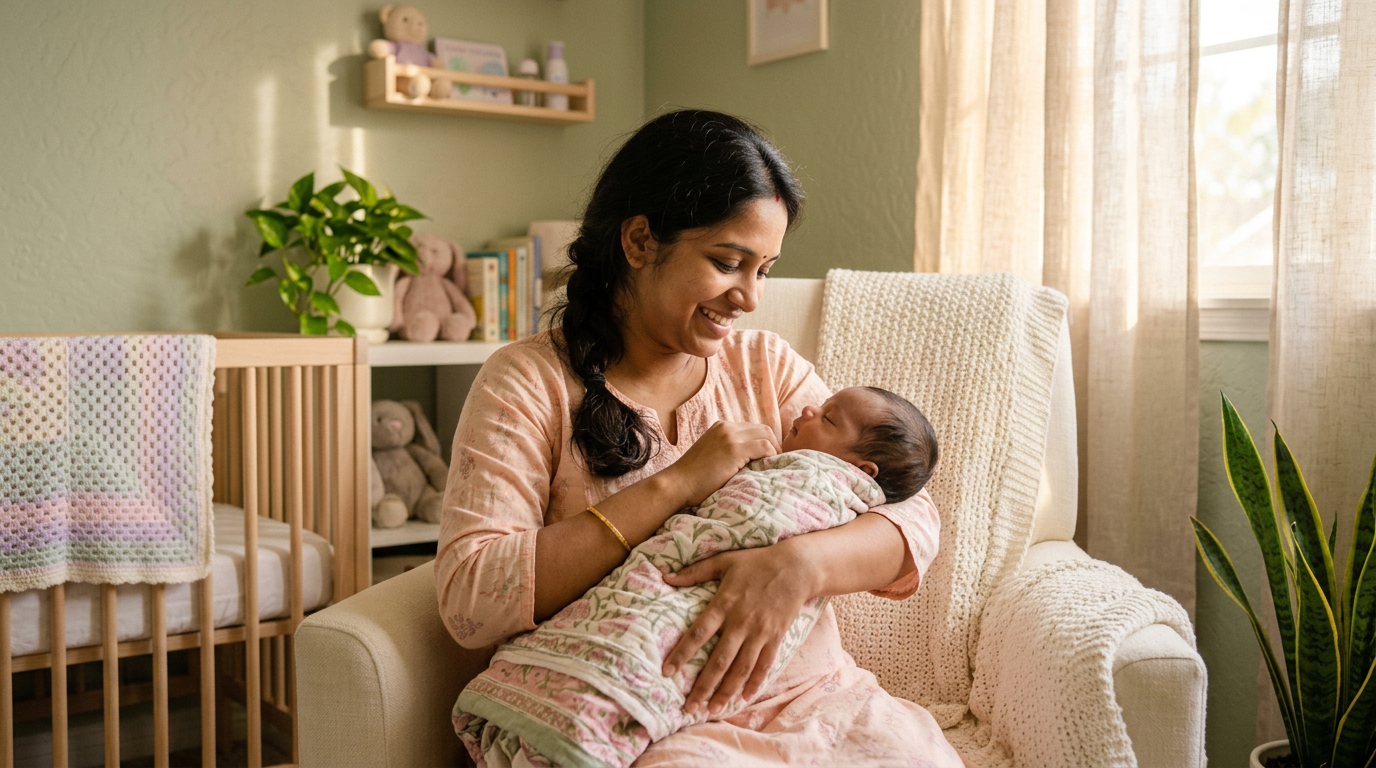
You’ve spent nine months glowing with that thick, luscious "pregnancy mane," only to wake up four months after delivery with a drain full of hair. If you are panicking about postpartum hair loss, take a deep breath. This is not permanent balding; it is a physiological reset. Your body is simply catching up on the shedding it paused while you were pregnant. Within 6 to 12 months, your hair growth cycle will return to its pre-baby rhythm.
What Causes Postpartum Hair Loss in Indian Women?
To understand postpartum hair loss (telogen effluvium), we have to look at your hormones. During pregnancy, high oestrogen levels keep your hair in the "growth phase" (anagen) for longer. You don't shed the usual 80–100 strands a day, which is why your braid feels so thick during the second trimester.
Once the baby is born and your hormone levels crash, all that "overdue" hair enters the "resting phase" (telogen) at once. About three to four months later, it starts falling out. For many Indian moms, this coincides with the time they stop their prenatal vitamins or return to work, making the stress feel even more intense.
This shedding is one of many postpartum body changes that can feel overwhelming, but it is entirely expected.
The 4-Month Shed: Why It Feels So Dramatic
In India, the three-to-four-month mark is often when families celebrate the baby’s first milestones. It’s also exactly when the "great shed" begins. You might notice:
* The Drain Clog: Finding clumps of hair after every head wash.
* The Pillow Trail: Waking up to strands all over your bedsheet.
* The Baby’s Grip: Your little one starting to grab things, only to end up with your hair wrapped around their tiny fingers (watch out for hair tourniquets!).
While searching for a postpartum hair loss treatment, remember that no lotion or potion can stop a hormonal shift. However, you can support the regrowth process through targeted nutrition and gentle care.
How to Manage Postpartum Hair Fall the Desi Way
Our nanis and dadis have always had opinions on hair care, but let’s look at what actually works from a clinical and traditional perspective.
1. The Power of Postpartum Nutrition
In many Indian households, the Sutika Kaal (postpartum period) involves specific foods like Gond ke Laddoo (edible gum) and Methi Pak (fenugreek). These aren't just myths.
Iron-Rich Foods: Anaemia is incredibly common in India. Ensure you are eating spinach (palak*), beetroot, and lentils.
Protein Intake: Hair is made of keratin. If you are vegetarian, focus on paneer*, sprouts, and Greek yoghurt.
* Continue Your Supplements: FOGSI (Federation of Obstetric and Gynaecological Societies of India) often recommends continuing iron and calcium supplements for at least 3-6 months postpartum, especially if you are breastfeeding.
2. Gentle Hair Care Routine
Skip the Tight Braid: Avoid the tight choti* or high buns that pull on the follicles.
The Right Oil: A gentle champi* with lukewarm coconut or almond oil can improve scalp circulation, but don't scrub vigorously.
* Use a Wide-Toothed Comb: Start from the ends and work your way up to avoid mechanical breakage.
3. Smart Product Choices
Look for volumising shampoos that don't weigh the hair down. If you are also dealing with postpartum stretch marks, you might already be looking for specialized skincare. Apply the same logic to your hair: avoid harsh sulphates that strip the scalp of natural oils.
Do These "Miracle" Treatments Actually Work?
You will see ads for expensive serums and "hair growth oils" costing upwards of ₹2,000. Before you spend your hard-earned money, know this:
* Biotin Gummies: These only help if you are actually deficient in Biotin, which is rare if you eat a balanced Indian diet.
Minoxidil: While effective, it is generally not recommended if you are breastfeeding (stanpaan*) without a dermatologist's supervision.
Hair Masks: Natural masks with Amla, Reetha, and Shikakai* can make the existing hair look shinier and thicker, but they won't stop the hormonal shedding from the root.
Real Talk from Indian Moms
> "I was so scared to wash my hair. I thought I’d be bald by my daughter’s Annaprashan. My doctor told me to stop stressing and focus on my iron intake. By her first birthday, I had these funny 'baby hairs' sticking out everywhere!" — Ananya S., Bengaluru (Mom to 14-month-old)
> "In my house, my Sasu Maa insisted on a daily Almond oil maalish. It didn't stop the fall, but it made me feel pampered during a time when I was exhausted. The hair came back eventually, just like she promised." — Meher V., Chandigarh (Mom to 9-month-old)
When to Call Your Paediatrician (The Hair Tourniquet Warning)
While this article focuses on the mom’s hair, postpartum hair loss poses a specific risk to the baby: the Hair Tourniquet.
* Check Toes and Fingers: Check your baby’s toes, fingers, and penis daily. A single strand of your fallen hair can wrap around these small appendages, cutting off circulation.
* Signs of Distress: If your baby is crying inconsolably and you see a red, swollen toe, look closely for a hair.
* What to do: If you see a hair tourniquet and cannot easily remove it, head to the paediatric emergency room immediately. It is a medical emergency.
Red Flags for Your Own Health
While shedding is normal, consult your OB-GYN or a dermatologist if:
* The hair is falling out in distinct, round patches (Alopecia Areata).
* You have significant scalp itching or redness.
* You feel excessively lethargic or cold (this could indicate postpartum thyroiditis, which is common in India).
Frequently Asked Questions
What is the best postpartum hair loss treatment?
The best treatment is actually time and nutrition. Ensuring your Ferritin (iron stores) levels are above 40-50 ng/mL and continuing your postnatal vitamins are the most effective clinical steps. Avoid heat styling and chemical treatments during the peak shedding phase (months 3–6).
How long does postpartum hair fall last?
Typically, the peak shedding starts at month 3 and begins to taper off by month 6. Most women see their normal hair growth patterns return by their baby’s first birthday. If it continues beyond 12 months, ask your doctor for a thyroid panel and iron check.
Which is the best postpartum stretch marks cream?
While not directly related to hair, many moms deal with skin changes simultaneously. Look for creams containing Centella Asiatica, Shea Butter, or Coconut Oil. Brands available in India like Mamaearth, Mustela, or Sebamed are popular, but the key is consistency in application and staying hydrated.
Can I prevent postpartum hair loss?
No. Because this is caused by the drop in oestrogen, you cannot stop the physiological process. However, you can prevent excess breakage by avoiding tight hairstyles and ensuring you aren't protein-deficient.
Are there any specific Indian home remedies for hair fall after delivery?
Traditional remedies like a mask made of soaked and ground Methi (fenugreek) seeds or using Brahmi and Bringraj oils are popular. While they don't stop hormonal shedding, they improve scalp health and may help the new hair grow back stronger.
Is postpartum hair loss worse if I am breastfeeding?
There is no clinical evidence that breastfeeding makes hair loss worse. However, breastfeeding increases your nutritional demands. If you aren't eating enough calories or nutrients, your body will deprioritise hair growth, making the thinning look more prominent.
The "shock" of seeing so much hair in the comb is real, but your body is simply recalibrating after the monumental task of growing a human. Be patient with your reflection; those tiny baby hairs will be back before you know it.
My hair is shedding because my body did something incredible, and it will grow back in its own time.
Sources & further reading
- FOGSI: Postpartum Care Guidelines
- Ministry of Health and Family Welfare: Postnatal Care
- IAP Guide on Infant Safety (Hair Tourniquet)
Written by Dr. Ritu Sharma, MD (Obstetrics & Gynaecology)
Reviewed by TheMamaCircle Editorial Team
Last updated: 6 July 2026
This article is for general information only and is not a substitute for personalised medical advice. Always consult your paediatrician or obstetrician for your specific situation.