Traditional Postnatal Ladoo Recipe: Indian Postnatal Guide
Master the traditional postnatal ladoo recipe with Gond and Methi. Boost breast milk and heal your body with this essential Indian postnatal diet guide.
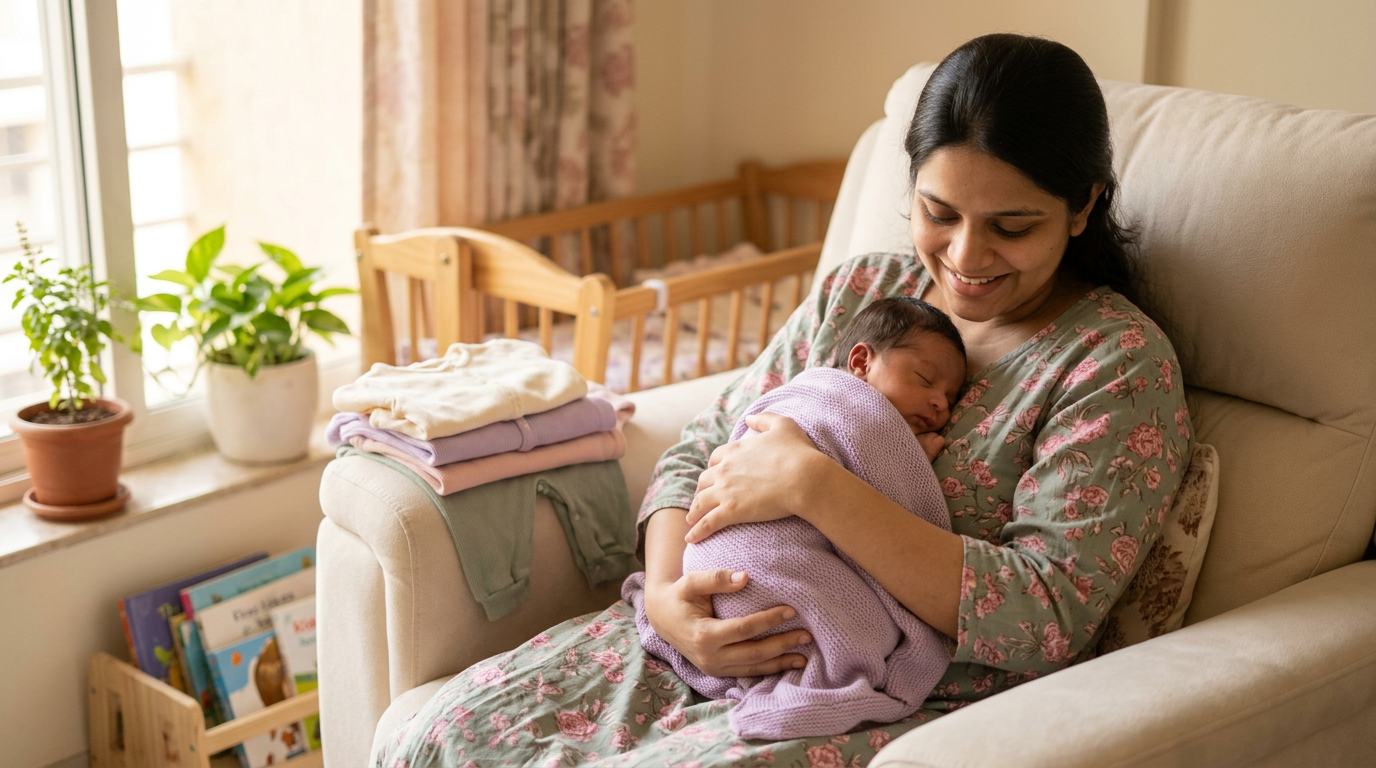
The legendary postnatal ladoo (or Gond ke Laddu) is the ultimate Indian superfood for new mothers, designed to heal the uterus, boost breast milk, and replenish lost calcium. While Western trends focus on "lactation cookies," our dadi-nani recipes have used Gond (edible gum), Methi (fenugreek), and Makhana (foxnuts) for centuries to support postnatal recovery. This postnatal ladoo recipe (referred to as postnatal ladoo hereafter) is a dense nutritional powerhouse that helps bridge the gap between exhaustion and healing during the Jaapa period.
Why the Postnatal Ladoo is Essential for Indian Mothers
In India, the 40-day postnatal period—known as Jaapa in the North or Pathyam in the South—is a sacred window for healing. Your body has just undergone the equivalent of a marathon followed by a major surgical event (whether vaginal or C-section). The postnatal diet during this phase isn't about calorie restriction; it is about "Agni" or digestive fire and structural repair.
Standard Indian postnatal ladoos serve three specific purposes:
The Ultimate Postnatal Ladoo Recipe: Traditional Gond & Dry Fruit
This recipe makes approximately 20-25 medium-sized ladoos. You can find these ingredients at any local kirana store or high-end grocery like Nature’s Basket for roughly ₹800–₹1,200 for a full batch.
Ingredients
* Gond (Edible Gum): 100g (The hero for bone health)
* Whole Wheat Flour (Aata): 2 cups
* Desi Ghee: 250g (A2 cow ghee is preferred for easier digestion)
* Mixed Dry Fruits: 200g (Almonds, Cashews, Walnuts - crushed)
* Makhana (Foxnuts): 50g (Roasted and powdered)
* Dry Ginger Powder (Sonth): 2 tbsp (Anti-inflammatory)
* Ajwain & Methi Powder: 1 tbsp each (Digestive aid)
* Jaggery (Gur) or Boora Sugar: 1.5 cups (Avoid white sugar)
Method
Adapting the Postnatal Food for Mother to Regional Needs
India is vast, and every state has its own version of this healing snack. While the postnatal food for mother remains nutrient-dense, the star ingredients shift:
Maharashtra (Dink Ladoo): Uses a lot of dry coconut (khopra) and Ahiv* (garden cress seeds) which are exceptionally high in iron.
Punjab (Panjiri): Often kept in loose crumble form rather than rolled into balls, heavy on Kamarkas* (sage herb) specifically for back pain.
South India (Sundal & Legiyams): While not always a ladoo, the Prasava Lehyam* is a jam-like equivalent made with ginger, peppercorns, and jaggery.
If you are struggling with core strength after these traditional meals, consider doing a free diastasis recti self-check to see how your abdominal muscles are healing alongside your internal nutrition.
How to Integrate Ladoos into your Postnatal Diet Chart Indian Style
A common mistake is eating 4-5 ladoos a day. These are "medicine foods"—highly potent and calorie-dense. To see the best results in your postnatal diet chart indian, follow these guidelines:
* Timing: The best time is early morning on an empty stomach, followed by a glass of warm milk. This helps in maximum absorption of the fats and minerals.
* Quantity: Stick to 1 medium ladoo per day for the first 2 weeks. You can increase to 2 if you are exclusively breastfeeding and feeling constant hunger.
Hydration: Ingredients like Gond and Methi require a lot of water to process. If you don’t drink enough water, these ladoos can cause constipation. Pair your diet with Ajwain* water (boiled and cooled) throughout the day.
Real Talk from Indian Moms
> "My Sasu Maa made me eat two Gond ladoos every morning for 40 days. I hated the smell of Ajwain at first, but honestly, my joint pain vanished by the second month. It's better than any supplement."
> — Megha S., Bengaluru (Mom to a 4-month-old)
> "I had a C-section and was scared of the ghee. My doctor said it's okay in moderation. I modified the postnatal ladoo recipe to include more seeds like flax and chia. It really helped my milk supply stay steady."
> — Ananya R., Delhi (Mom to a 7-month-old)
When to Call Your Paediatrician
While the mother's diet significantly impacts her recovery, certain foods can sometimes affect a breastfed baby. Watch for these signs:
* Extreme Colic: If the baby screams inconsolably every time you eat high-methi or high-spice foods.
* Skin Rashes: If the baby develops hives or an angry red rash, they might be sensitive to the nuts in your diet.
* Excessive Gas: If the baby's stomach feels hard and bloated constantly.
* Diarrhoea: If the baby's stools become watery and green suddenly.
* Lethargy: If the baby is too sleepy to feed after a change in your diet.
Note: For issues regarding your own healing, such as unusual discharge, use our lochia analyzer to track your recovery progress.
Frequently Asked Questions
Can I eat these ladoos after a C-section?
Yes, but usually after the first 7-10 days once your bowel movements have normalized and your doctor has cleared you for a normal diet. Ghee helps in internal healing, but avoid overdoing it in the first week to prevent constipation.
Will the postnatal diet chart Indian style make me gain weight?
If eaten as a replacement for empty-calorie snacks (like biscuits or rusk), these ladoos actually help with weight management by keeping you full and providing the nutrients your body needs to metabolize fat. However, limit yourself to 1-2 per day.
What is the best postnatal food for mother to increase milk?
Apart from ladoos, include Oatmeal, Garlic, Spinach, and Cumin in your meals. The Methi in the ladoos acts as a powerful galactagogue.
How do I store these ladoos?
Because they are cooked in ghee and contain no water, they have a long shelf life. Store them in a clean, airtight steel container (dabba). They stay fresh at room temperature for up to 3 months.
When should I start the postnatal diet?
The "healing diet" typically starts on day 3 for vaginal births and day 10 for C-sections. Always start with light foods like Moong Dal Khichdi before moving to heavy dry-fruit ladoos.
Building your strength back takes time, mama. Don't rush the process. Let these traditional foods nourish you from the inside out. You are doing the hard work of growing a human; the least you deserve is a delicious, ghee-laden ladoo every morning.
Repeat after me: My body is healing, my milk is plenty, and I am fueled for this journey.
Sources & further reading
- ICMR-National Institute of Nutrition: Nutritive Value of Indian Foods
- Indian Academy of Paediatrics (IAP) - Postnatal Care Guidelines
- FOGSI: Postpartum Nutrition and Health
Written by Neha Kapoor, RD (Registered Dietitian, Maternal & Child Nutrition)
Reviewed by TheMamaCircle Editorial Team
Last updated: 19 August 2026
This article is for general information only and is not a substitute for personalised medical advice. Always consult your paediatrician or obstetrician for your specific situation.