12 Best Prenatal Yoga Poses: India Guide for All Trimesters
Master prenatal yoga poses to ease back pain and prep for birth. Learn trimester-wise asanas, safety tips, and pranayama for a smoother pregnancy journey.
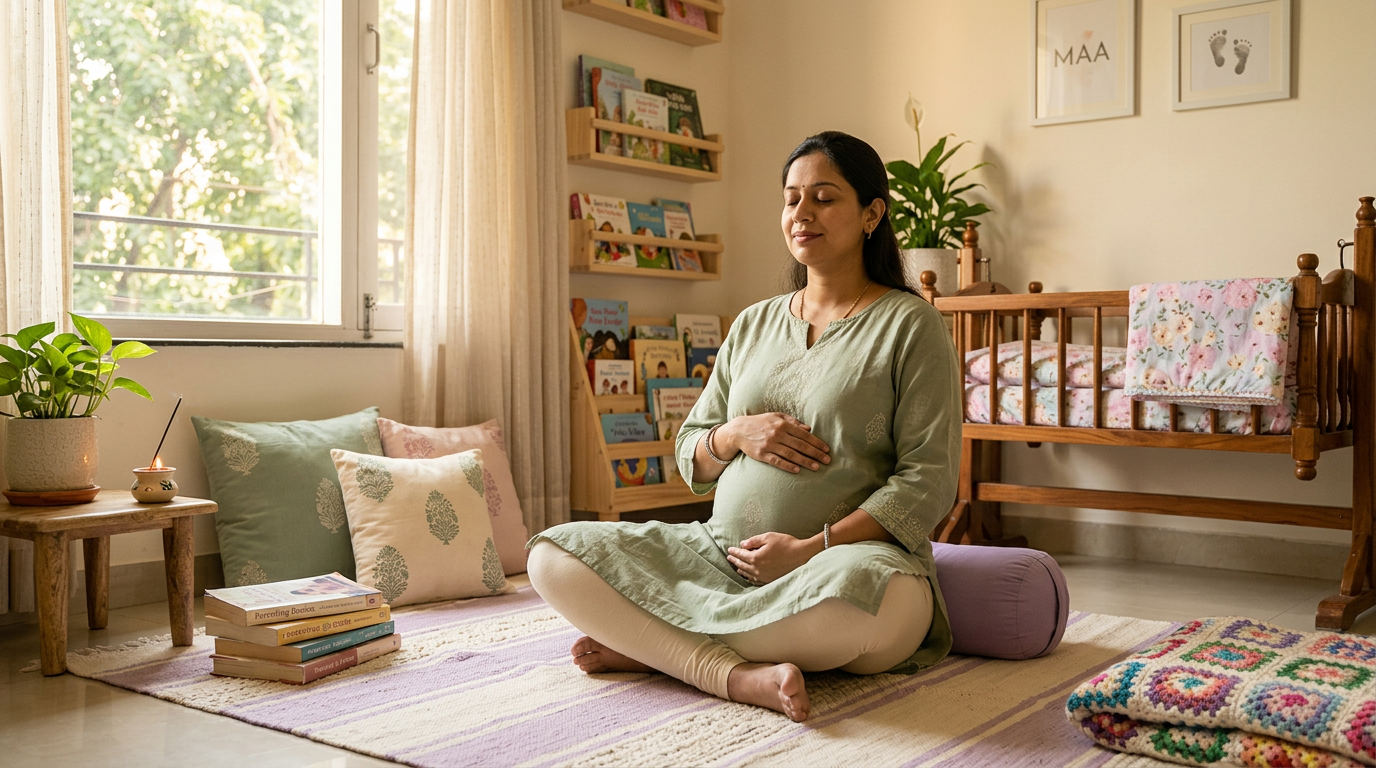
Practising prenatal yoga poses is one of the most effective ways to prepare your body for the marathon of childbirth while managing the inevitable backaches, swollen ankles, and mood swings. Unlike a standard gym workout, prenatal yoga focuses on hip opening, pelvic floor strengthening, and mindful breathing that aligns with your changing physiology. By integrating traditional Hatha yoga principles with modern safety guidelines from bodies like FOGSI (Federation of Obstetric Societies of India), you can maintain flexibility and calm throughout your pregnancy journey.
Why Prenatal Yoga Poses are Your Best Friend
In India, we’ve always had the concept of Garbha Sanskar—the idea that a mother’s physical and mental state directly influences the baby. While your Sasu Maa might suggest resting all day, modern science and ancient wisdom agree: movement is medicine.
Pregnancy yoga isn't about achieving a perfect headstand; it’s about creating space for the baby and relieving the pressure on your spine. Whether you are dealing with the morning sickness of the first trimester or the heavy "waddle" of the ninth month, specific asanas can help.Safety First: Essential Contraindications
Before we roll out the mat, let's talk about the "No-Go" zones. Your body produces a hormone called relaxin, which softens your ligaments. This makes it very easy to overstretch and injure yourself.
* No Deep Twists: Avoid anything that compresses the abdomen. Twist from the upper back, not the belly.
* No Prone Poses: After the first trimester, never lie flat on your stomach.
* No Supine Poses: Lying flat on your back for long periods can compress the inferior vena cava, reducing blood flow to the baby.
* Avoid Kumbhaka: Never hold your breath. Continuous oxygen flow is vital.
H3: The Golden Rule of Modern Yoga
If any pose causes sharp pain, spotting, or a sudden decrease in fetal movement, stop immediately. We follow the guidelines set by health authorities like AIIMS and the Ministry of AYUSH, which advocate for gentle, restorative movements over power yoga.
Best Prenatal Yoga Poses by Trimester
1. The First Trimester: Grounding and Centering
During these initial weeks, fatigue and nausea (the dreaded morning sickness) are your biggest hurdles. Focus on gentle opening and breathwork.
* Marjaryasana-Bitilasana (Cat-Cow): This is the holy grail of pregnancy yoga first trimester. It keeps the spine supple and helps relieve the tension that builds up as your center of gravity begins to shift.
* Tadasana (Mountain Pose): It sounds simple, but standing tall with your weight evenly distributed helps prevent the "pregnancy slouch."
* Baddha Konasana (Butterfly Pose): Sit with your feet together and knees out. This starts the gentle work of opening the hips—don't bounce your knees vigorously; keep it fluid.
2. The Second Trimester: Strength and Stability
Often called the "honeymoon phase," you likely have more energy now. This is the time to build leg strength to support your growing weight.
* Virabhadrasana II (Warrior II): This builds stamina. Keep your stance slightly wider than usual for balance.
* Utkatasana (Chair Pose) against a wall: Use the wall for support to strengthen your quads and glutes, which will be essential during active labor.
Trikonasana (Triangle Pose) with a prop: Use a yoga block or a sturdy desi piddha* (low stool) to bring the floor to you. This helps with side-body stretching, giving your lungs more room to breathe. Check out more pregnancy yoga second trimester moves for this energetic phase.
3. The Third Trimester: Opening and Surrendering
Now is the time to prepare for the Garabh (womb) to release the baby. Everything should be about downward energy (Apana Vayu).
* Malasana (Yogic Squat): Use a stack of cushions or a low yoga block under your sit-bones. This is the ultimate pose for pelvic floor preparation.
* Upavistha Konasana (Wide-Legged Seated Fold): Sit against a wall and spread your legs comfortably. This creates maximum space for the belly.
* Adho Mukha Svanasana (Downward Dog) at the wall: Instead of doing it on the floor (which can be too much for the wrists and head-down pressure), place your hands on a wall and walk back.
The Role of Pranayama in Pregnancy
You cannot talk about prenatal yoga poses without discussing the breath. In India, we have a rich heritage of Pranayama that is incredibly beneficial for pain management during labor.
* Anulom Vilom: Wonderful for balancing the nervous system and reducing the "pregnancy brain" fog.
* Bhramari (Bee Breath): The soothing humming sound is known to calm both the mother and the baby. It’s a great tool if you’re feeling anxious about the delivery.
Sheetali: If you’re experiencing "hot flashes" or acidity (common after a spicy Samosa* craving), this cooling breath helps immensely.
Real Talk from Indian Moms
> "I started Malasana in my eighth month because my mother-in-law insisted it would make labor easier. Honestly, it helped more with my constipation than anything else! It’s now part of my daily routine."
> — Ananya S., Bengaluru (Mom to a 4-month-old)
> "During my second trimester, I was so stressed about my work deadlines. Ten minutes of Marjaryasana and Bhramari every evening was the only thing that kept me sane. It’s not just physical; it’s a mental reset."
> — Meera K., Mumbai (Mom to a 1-year-old)
Essential Gear and Costs in India
You don't need a fancy boutique setup.
* Yoga Mat: Look for a 6mm extra-thick mat to protect your knees. Brands like Strauss or Decathlon offer good options ranging from ₹800 to ₹1500.
Props: Use what you have! A rolled-up Dhurrie can act as a bolster, and a sturdy Dupatta* can serve as a yoga strap.
Clothing: Breathable cotton leggings or loose pyjamas* are better than restrictive synthetic gear in the Indian heat.
When to Call Your Gynecologist
While yoga is generally safe, your safety and the baby's safety come first. Stop and call your doctor if you experience:
* Vaginal bleeding or leaking of fluid.
* Shortness of breath before even starting exercise.
* Dizziness, chest pain, or a severe headache.
* Muscle weakness affecting balance.
* Calf pain or swelling (which could indicate a clot).
* Decreased fetal movement.
* Contractions that occur at regular intervals.
Frequently Asked Questions
Can I start pregnancy yoga first trimester if I’ve never done yoga before?
Yes, but you must keep it very gentle. The first trimester is a high-risk period for some, so ensure you have your doctor's clearance. Focus on breathing and very light stretching rather than any strenuous "flow."
What are the best pregnancy yoga second trimester poses for back pain?
The Cat-Cow (Marjaryasana) and a modified Balasana (Child’s Pose with knees wide apart) are excellent for relieving the pressure of a growing belly on your lower back.
Is pregnancy yoga third trimester safe for someone with a low-lying placenta?
If you have been diagnosed with placenta previa, you must consult your doctor before doing any exercise. Usually, intense pelvic opening poses like Malasana are restricted in these cases.
Can I do pranayama during pregnancy every day?
Absolutely. Most pranayama during pregnancy like Anulom Vilom and Bhramari are safe and highly recommended for daily practice to manage stress and blood pressure. However, avoid Kumbhaka (breath retention) and Bhastrika (forced breathing).
How often should I practice these poses?
Consistency is better than intensity. 20-30 minutes of gentle yoga 3-4 times a week is much more beneficial than a two-hour session once a fortnight.
Can yoga help turn a breech baby?
Certain modified inversions, like Puppy Pose, are sometimes suggested, but these should ONLY be done under the direct supervision of a certified prenatal yoga therapist and with your doctor's knowledge.
Yoga is more than just a workout; it is a way to connect with the little life growing inside you. As you move through these prenatal yoga poses, remember to listen to your body—it is much wiser than any textbook.
Take a deep breath, place your hand on your belly, and tell yourself: "My body is strong, my mind is calm, and I am ready for this change."
Sources & further reading
- Ministry of AYUSH - Yoga for Pregnant Women
- FOGSI - Physical Activity During Pregnancy
- AIIMS - Yoga and Maternal Health Study
Written by Priya Raman, Certified Prenatal Yoga Instructor & Mama of two
Reviewed by TheMamaCircle Editorial Team
Last updated: 21 June 2026
This article is for general information only and is not a substitute for personalised medical advice. Always consult your paediatrician or obstetrician for your specific situation.