Postnatal Recovery 6 Weeks: India Guide to Postnatal Healing
Postnatal recovery 6 weeks is the essential Sawa Mahina milestone. Learn about Indian jaapa rituals, C-section healing, and red flags for a safe recovery.
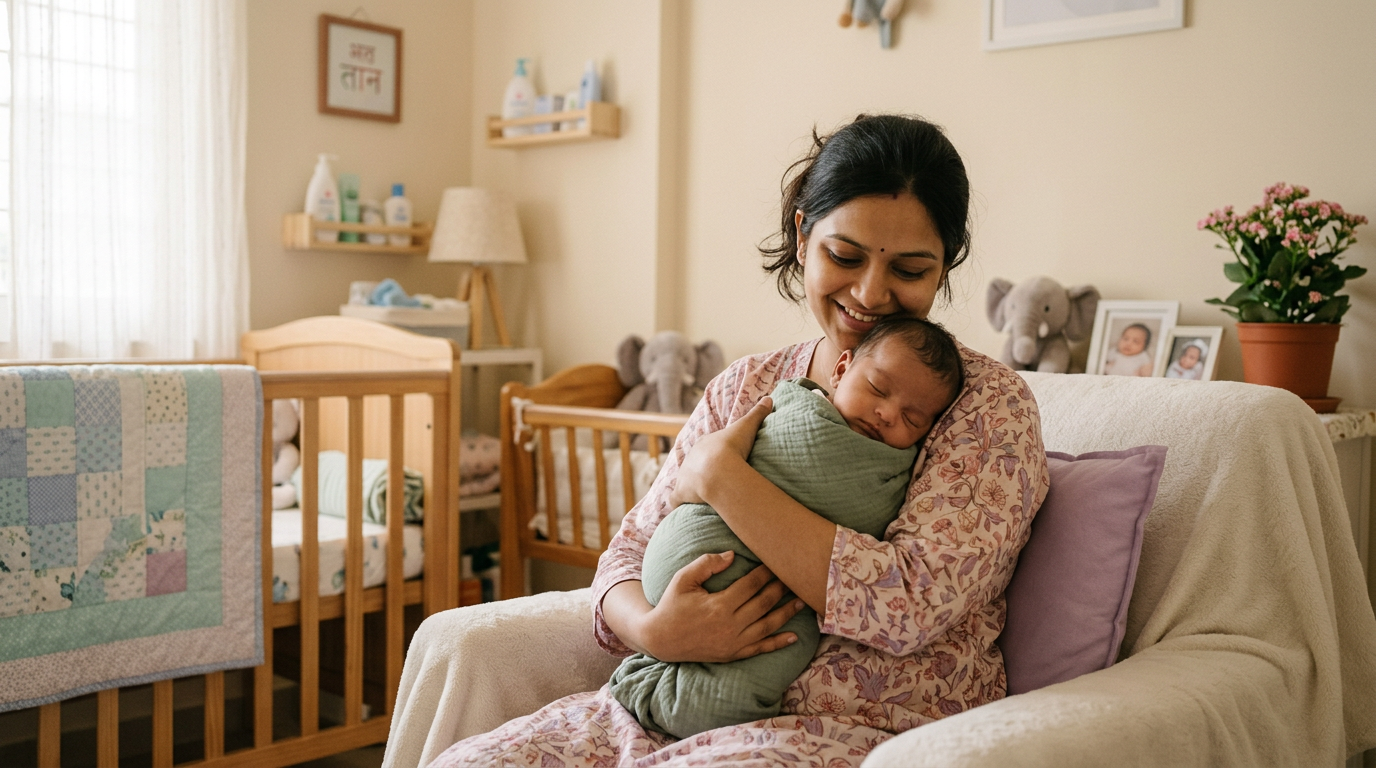
The first 42 days, or the traditional Sawa Mahina, represent the most critical phase of your postnatal journey. While your body underwent 40 weeks of change, the postnatal recovery 6 weeks milestone is when the acute healing of the uterus, placental site, and surgical incisions (if any) reaches a stable baseline. In India, this is the sacred Jaapa period—a time for rest, maalish, and specific nutrition to ensure you don't face long-term health issues like back pain or uterine prolapse later in life.
The Postnatal Recovery Timeline: What Happens in 6 Weeks?
In clinical terms, this 6-week window is the puerperium. Whether you had a vaginal delivery or a C-section, your body is working overtime to return to its non-pregnant state. Understanding the postnatal recovery process helps you distinguish between normal healing and signs that require a visit to your OB-GYN.
Week 1-2: The Acute Phase
During these first fourteen days, your focus is entirely on wound healing and establishing stanpaan (breastfeeding).
* Lochia (Postnatal Bleeding): Initially bright red and heavy, often with small clots. By day 10, it should transition to a pinkish-brown (Lochia serosa). If you are concerned about the flow, you can use our lochia analyzer to check if your discharge is within the normal range.
* Uterine Involution: Your uterus, which expanded to the size of a watermelon, is shrinking back to the size of a pear. You will feel "afterpains," which often intensify during breastfeeding.
* Perineal Healing: If you had an episiotomy or a tear, the stitches will be tender. Sitting on a "doughnut" pillow and using a peri-bottle with warm water is essential.
Week 3-4: The Transitional Phase
By now, the initial exhaustion begins to settle into a rhythm, though sleep deprivation remains a constant.
* Hormonal Shift: The "Baby Blues" usually peak around day 4-5 and should subside by week 3. If you feel persistent sadness or inability to bond with the baby, take our postnatal wellness assessment to screen for postnatal depression.
Physical Activity: You might feel tempted to start household chores, but the Indian tradition of pathyam* (a disciplined postnatal diet and rest) exists for a reason. Avoid heavy lifting to prevent pelvic floor strain.
Week 5-6: The "New Normal"
This is the home stretch of the initial postnatal recovery 6 weeks period.
* Internal Healing: The placental site has mostly healed. Lochia should be yellowish-white (Lochia alba) or have stopped completely.
* The 6-Week Checkup: This is your most important medical appointment. Your doctor will check your blood pressure, internal healing, and discuss contraception.
How long is the postnatal recovery time for Indian moms?
The postnatal recovery time in India is culturally defined by the 40-day confinement period. While Western guidelines suggest you can "get back to normal" sooner, Indian physiology and the lack of systemic support often make the 40-day rest period a physiological necessity. For a full recovery—where your bone density returns to normal and your core strength is restored—it can take 6 to 12 months.
The Role of Traditional Maalish
Indian maalishwalis are legendary for a reason. A gentle postnatal massage improves blood circulation and aids lymphatic drainage. However, ensure your daadi or nani knows that the massage should be gentle on the abdomen, especially if you had a C-section. Ensure the oil used (usually mustard oil in the North or sesame/Dhanwantharam Thailam in the South) is Ayurvedic and free from synthetic fragrances.
Nutrition: The Pathyam Diet
Postnatal nutrition in India focuses on taseer (thermal effect) and galactagogues (milk-boosting foods).
* Gond Ke Ladoo: Rich in resin and fats to lubricate joints.
* Methi (Fenugreek) Water: To aid digestion and milk supply.
* Ajwain (Carom seeds): Helps in reducing gas and cleaning the uterus.
* Note on Ghee: While ghee is excellent for recovery, don't overdo it. The ICMR (Indian Council of Medical Research) suggests only a slight caloric increase for lactating mothers; you don't need to "eat for two" in terms of fats.
Navigating postnatal recovery after c section in India
If you delivered via Cesarean, your postnatal recovery 6 weeks journey involves recovering from major abdominal surgery. Postnatal recovery after c section requires specific care for the incision site to avoid infections like sepsis or dehiscence.
* Incision Care: Keep the area dry. In the humid Indian climate, sweat can lead to fungal infections around the scar. You can use our scar analyzer to monitor the healing of your incision.
* The "No-Weight" Rule: Do not lift anything heavier than your baby. This includes heavy grocery bags or full buckets of water.
Gas Pains: Post-C-section gas can be excruciating. Walking gently around the room and sipping warm ajwain* water helps move the bowels.
Reclaiming Your Core: Postnatal recovery exercises
Do not start "flat tummy" exercises at 6 weeks. The focus should be on your pelvic floor and deep transverse abdominis. Many Indian women suffer from Diastasis Recti (separation of abdominal muscles) due to multiple pregnancies or lack of core support.
Before starting any routine, perform a free diastasis recti self-check. If your gap is more than two fingers, avoid crunches or planks, as these can worsen the bulge. Instead, focus on:
For a structured plan, refer to our postnatal recovery exercises guide which is tailored for the Indian body type.
Real talk from Indian moms
> "My mother-in-law insisted on tying a cotton sari around my belly (Bandhan). At first, I felt suffocated, but it actually helped my back pain during breastfeeding. It reminded me to sit up straight!" — Ananya R., Bengaluru (Baby 2 months)
> "I thought I'd be back at my desk (WFH) in 3 weeks. By week 4, I was so exhausted I could barely hold a spoon. Don't rush the postnatal recovery 6 weeks mark. Your body needs that sawa mahina." — Megha S., Delhi (Baby 4 months)
When to call your OB-GYN (Maternal Red Flags)
While the baby is the focus, your health is the foundation. Call your doctor immediately if you experience:
* Heavy Bleeding: Soaking a pad in an hour or passing clots larger than a lemon.
Fever: A temperature above 100.4°F (38°C) could indicate postpartum endometritis* or a breast infection (mastitis).
Severe Headache: This could be a sign of postpartum preeclampsia*, even if you didn't have high BP during pregnancy.
* Leg Pain: Swelling, redness, or warmth in one calf (potential Deep Vein Thrombosis).
* Incision Changes: Redness, foul-smelling discharge, or opening of the C-section gap.
When to call your paediatrician
Your baby's health is intrinsically linked to your recovery. Watch for these signs in your little one:
* Jaundice: Yellowing of the eyes or skin, especially if it appears after the first week.
* Dehydration: Fewer than 6 wet nappies in 24 hours.
* Fever: Any temperature in a newborn is an emergency.
* Poor Feeding: If the baby is too lethargic to wake up for feeds or has a weak suck.
* Umbilical Cord Infection: Redness, pus, or a foul smell around the belly button.
If you are unsure about your baby's crying patterns during this time, our AI cry analyzer can help distinguish between hunger and discomfort.
Frequently Asked Questions
How long does postnatal recovery 6 weeks actually take?
While the 6-week checkup is a milestone, full physiological recovery takes much longer. The 6-week mark signifies that your uterus has returned to its normal size and major wounds have closed, but hormonal and nutritional replenishment takes 6 to 12 months.
When can I start postnatal recovery exercises after a C-section?
You should wait for your 6-week clearance from your OB-GYN. Start with gentle walking and pelvic floor exercises. Avoid high-impact aerobics or heavy weightlifting until at least 12-16 weeks to ensure the internal uterine scar is strong.
Is the Indian 'Jaapa' period scientific for postnatal recovery?
Yes, most aspects are. The emphasis on rest prevents pelvic organ prolapse, and the diet (rich in iron and healthy fats) addresses the nutritional depletion caused by pregnancy. However, modern science suggests avoiding the practice of "no bathing" or "room confinement without ventilation."
Can I travel during the 6-week postnatal period?
It is generally advised to stay close to home. Long-distance travel increases the risk of blood clots (DVT) and exposes the newborn's undeveloped immune system to infections. Stick to short outings for fresh air if you feel up to it.
What is the average postnatal recovery time for a normal delivery?
For a vaginal delivery without significant tearing, many women feel physically "better" by 3-4 weeks. However, the internal healing of the placental site and the recalibration of the endocrine system still require the full 6-week puerperium period.
Rest is not a luxury; it is your primary job during these six weeks. Listen to your body, eat your ladoos, and remember: you are not just raising a baby, you are also birthing a mother.
I am healing, I am strong, and I am enough for my baby.
Sources & further reading
- FOGSI Postpartum Care Guidelines
- NHP India: Postnatal Care
- ICMR Dietary Guidelines for Indians
- WHO Recommendations on Postnatal Care of the Mother and Newborn
Written by Dr. Ritu Sharma, MD (Obstetrics & Gynaecology)
Reviewed by TheMamaCircle Editorial Team
Last updated: 30 August 2026
This article is for general information only and is not a substitute for personalised medical advice. Always consult your paediatrician or obstetrician for your specific situation.