Postnatal Ayurvedic Treatment: 40-Day India Recovery Guide
Heal with postnatal ayurvedic treatment. Learn about Abhyanga, postnatal massage, and traditional Indian foods to rebuild strength. Your 40-day recovery starts here.
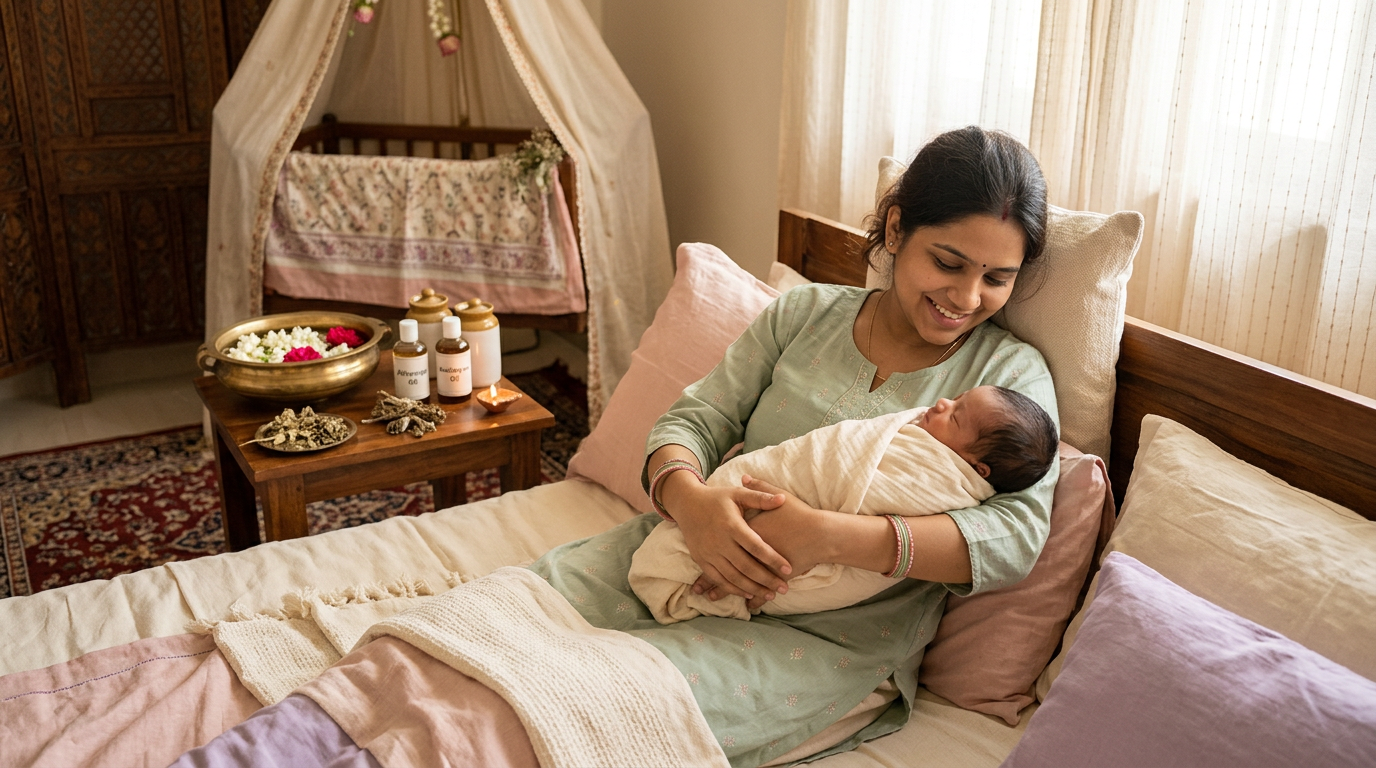
The first 40 days after childbirth, known as the Sutika Kaal in Ayurveda, are more than just a recovery period; they are a sacred window for a mother’s physical and emotional rebirth. A postnatal ayurvedic treatment (also called postnatal) focuses on balancing the Vata dosha, which naturally peaks after the "empty space" created in the womb. By integrating traditional Abhyanga (oil massage), Pathyam (nutritional discipline), and herbal decoctions, you aren't just healing; you are rebuilding your strength from the bone marrow up.
Why Postnatal Ayurvedic Treatment is Vital for Indian Moms
In the Indian context, the Sutika phase is often managed by a Jaapa maid or the family’s Nani/Dadi. The science behind these traditions is rooted in the belief that a mother’s body is "open" and vulnerable to cold and wind (Vata). Ayurvedic principles aim to "close" this body through heat-inducing treatments and Vata-pacifying rituals.
Traditional postnatal ayurvedic treatment involves three main pillars:
Ahara (Diet): Warm, easily digestible foods like Ladoo made of Gond (edible gum), Methi (fenugreek), and Halim* (garden cress seeds).
Vihara (Lifestyle): Rest, abdominal binding (Vat-hara*), and keeping the ears and head covered.
Aushadhi (Herbal Support): Formulations like Dashmoolarishta to reduce inflammation and Jeerakadyarishta* to aid digestion.
The Role of Abhyanga: More Than Just a Massage
One of the most effective ways to implement postnatal massage is through the daily ritual of Abhyanga. Unlike a spa massage, this is a therapeutic application of warm, medicated oils to improve circulation and flush out toxins (Ama).
Choosing Your Postnatal Massage Oil
The efficacy of the treatment depends heavily on the postnatal massage oil used. Common traditional choices include:
* Dhanwantharam Thailam: The gold standard in Kerala-style postnatal care for strengthening muscles and nerves.
* Mahanarayan Oil: Excellent for relieving the lower back pain often associated with epidurals or long hours of breastfeeding.
Balashwagandhadi Thailam: Helps in regaining muscle tone and improving overall energy levels (Ojas*).
If you are looking for professional help, many families now opt for postnatal massage at home services where trained therapists come with their own heated oils and wooden pathis (massage tables) for a premium experience. Prices for these services in metro cities like Delhi or Mumbai typically range from ₹15,000 to ₹45,000 for a 40-day package.
Healing from Within: The Sutika Diet
Ayurveda dictates that the digestive fire (Agni) is very low after delivery. Therefore, the first few days should focus on Peya (thin rice gruel) or Vatana (soups).
Postnatal Yoga and Structural Recovery
While rest is paramount, gentle movement helps in returning the organs to their original positions. According to the Indian Academy of Paediatrics (IAP) guidelines on maternal health, movement should be gradual. Once your doctor gives you the green light—usually at 6 weeks for C-sections and 3 weeks for vaginal births—you can begin gentle stretches.
If you feel a gap in your stomach muscles, you might be experiencing Diastasis Recti. Before jumping into heavy crunches, use our free diastasis recti self-check to see if you need specific corrective exercises rather than a general gym routine.
Practical Steps for a Modern Postnatal Ayurvedic Ritual
You don't need to live in an ashram to benefit from these ancient practices. Here is how to modernise the "Jaapa" experience:
Belly Wrapping: Use a soft cotton saree* or a specialized postnatal belt. This provides structural support and helps the uterus contract.
Ubtan Baths: Instead of harsh soaps, use a paste of Besan (gram flour), Haldi (turmeric), and milk to tackle pregnancy-related skin darkening (Melasma*).
Dhoopana: This involves the use of herbal smoke (using Guggulu or Neem*) to disinfect the room and the perineal area—a practice supported by traditional wisdom for its antimicrobial properties.
Real Talk from Indian Moms
> "I thought the 40-day confinement was a myth until I did it. The Dhanwantharam oil massages in Bangalore saved my back. I felt my 'Vata' settling down every time my masseuse finished the Abhyanga." — Ananya, Bangalore (Mom to a 4-month-old)
> "Living in Delhi, I couldn't find a traditional 'Dai' easily, so I booked a professional postnatal massage delhi service. The hot water bath infused with Neem leaves afterwards was the highlight of my day." — Meher, Delhi (Mom to a 6-month-old)
When to Call Your Paediatrician or OB-GYN
While Ayurvedic rituals are supportive, they are not a substitute for clinical intervention if complications arise. Monitor your lochia (postnatal bleeding) closely.
Red Flags for the Mother:
Fever: Any temperature above 100.4°F (38°C) could indicate infection (Sepsis*).
* Excessive Bleeding: Soaking more than one pad an hour or passing clots larger than a lemon.
* Foul Smell: A strong, unpleasant odour from vaginal discharge.
* Calf Pain: Swelling or redness in one leg, which could be a sign of DVT.
Red Flags for the Baby:
* Jaundice: Deep yellowing of the skin or whites of the eyes.
* Poor Latching: If the baby is not urinating at least 6-8 times in 24 hours.
* Lethargy: Difficulty waking the baby for feeds. Use our AI cry analyzer if you feel the baby's crying pattern has changed significantly and seems distressed.
Frequently Asked Questions
When can I start my postnatal ayurvedic treatment?
For a vaginal delivery, you can usually start light oil application and Pathyam (diet) within 3-5 days. For a C-section, wait until your stitches have healed (usually 14 days) before any abdominal massage, though limb massage can start earlier.
Which is the best postnatal massage oil for skin tightening?
Oils like Nalpamaradi Thailam or Eladi Keram are traditionally used in India for skin brightening and tightening. However, Dhanwantharam remains the most popular for overall muscle tone and structural strength.
Can I get a postnatal massage at home if I had a C-section?
Yes, but you must inform your therapist. The abdominal area should be avoided until the scar is fully healed. You can use our scar analyzer to monitor your healing progress. Focus the massage on the back, legs, and arms to relieve the strain of carrying the baby.
Are there specific packages for postnatal massage delhi?
Delhi has several specialized agencies that provide "Jaapa" services. These often include a combination of massage, baby bathing, and sometimes even the preparation of traditional foods like Ajwain Halwa. Ensure the therapist is trained in Ayurvedic techniques and follows hygiene protocols.
What are the main benefits of postnatal ayurvedic treatment?
The primary benefits include hormonal balance, faster uterine involution (shrinking), improved lactation, reduced risk of postnatal depression, and relief from joint and muscle pain.
Your body has performed a miracle, and the 40 days of Sutika are your time to be pampered and protected. Lean into the wisdom of your elders, but keep your clinical checks on track. You are the heart of your home, and a healthy mama makes for a happy baby.
I am strong, I am healing, and I am worthy of this rest.
Sources & further reading
- National Health Portal of India - Postnatal Care
- FOGSI - Good Clinical Practice Recommendations
- Ayurvedic Management of Sutika: A Review
Written by Dr. Ritu Sharma, MD (Obstetrics & Gynaecology)
TheMamaCircle Editorial Team
Last updated: 11 August 2026
This article is for general information only and is not a substitute for personalised medical advice. Always consult your paediatrician or obstetrician for your specific situation.