Postpartum Diet Chart Indian: Best Foods for New Moms
Expert postpartum diet chart indian guide for recovery. Includes traditional jaapa meals, dink laddu recipes, and milk-boosting foods for new Indian moms.
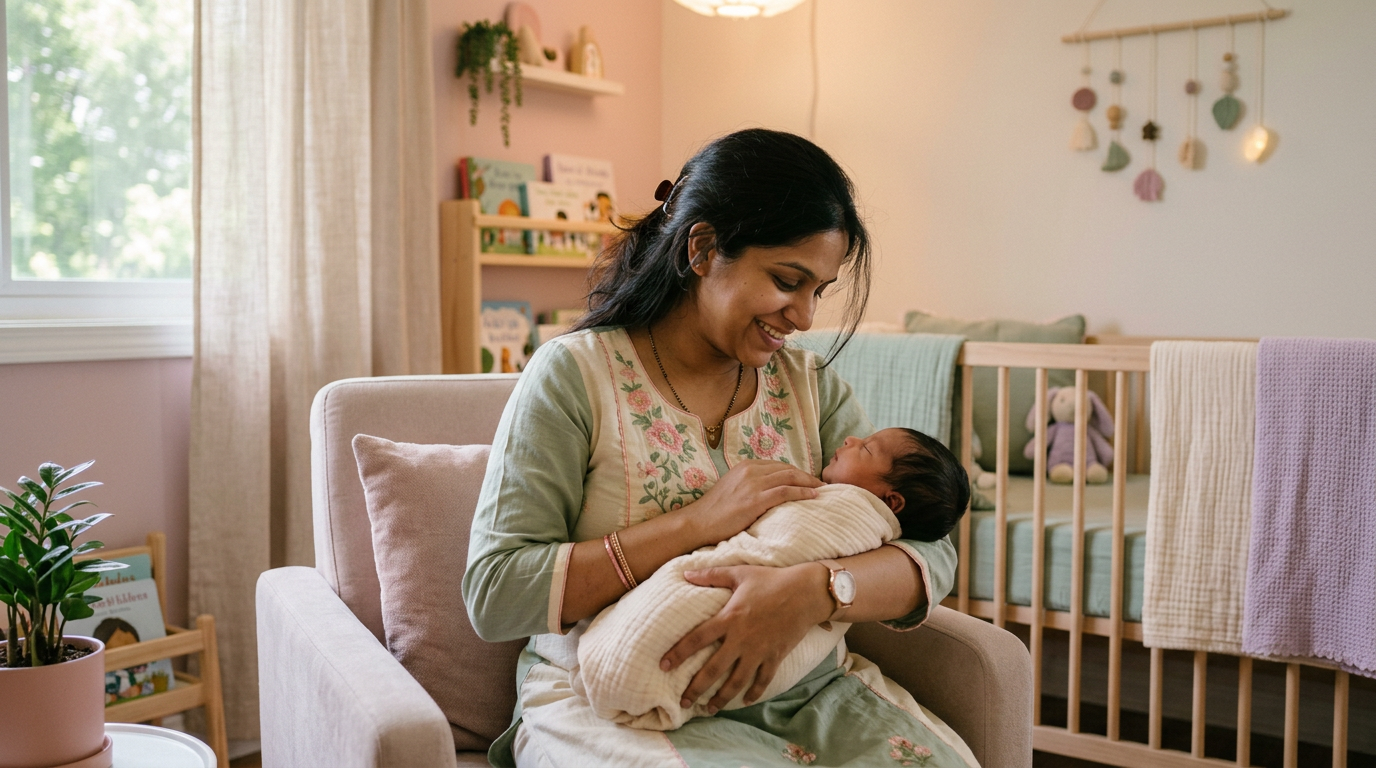
The first forty days following childbirth, often called the \'Jaapa\' period in North India or \'Sutika\' in Ayurveda, are not just about tradition; they are about critical biological recovery. A postpartum diet chart indian style focuses on warming foods, high caloric density for breastfeeding, and specific galactagogues to boost milk supply. Your body has just run a marathon and undergone major surgery (if C-section) or intense physical trauma (if vaginal birth). You need more than just "healthy eating"; you need functional recovery through food.
Why You Need a Specific Postpartum Diet Chart Indian Style
In India, we view the postpartum food phase as a "second birth" for the mother. While Western diets focus heavily on salads and cold smoothies, Indian tradition leans toward Agni (digestive fire). After delivery, your digestion is often sluggish. This is why our grandmothers insisted on saunf (fennel) water and easily digestible moong dal khichdi.
The ICMR (Indian Council of Medical Research) recommends that breastfeeding mothers need an additional 600 calories per day during the first six months. However, these calories shouldn’t come from empty sugars but from nutrient-dense fats and proteins found in traditional items like Gond ke Laddu and Makhana.
The Core Pillars of Indian Postpartum Nutrition
1. The Power of Galactagogues
Galactagogues are substances that help increase breast milk production. The postpartum food to eat should prioritize:
* Methi (Fenugreek): Research suggests it can significantly increase milk volume.
* Shatavari: A potent Ayurvedic herb often prescribed by Indian gynaecologists to support hormonal balance.
* Garlic: Known to improve the let-down reflex.
* Garden Cress Seeds (Haliw/Aliv): These are iron goldmines, costing roughly ₹100-200 per 250g, and are essential for replenishing blood loss.
2. Hydration and Traditional Drinks
Hydration isn\'t just about water. It’s about "functional fluids."
* Ajwain Water: Helps in uterine contraction and relieves gas for both mom and baby.
* Jeera Water: Aids digestion and speeds up metabolic recovery.
Milk with Turmeric: The classic Haldi Dhoodh* for its anti-inflammatory properties.
A Sample 7-Day Postpartum Diet Chart Indian (Vegetarian & Non-Veg)
This chart balances the postpartum diet needs of a recovering mother.
| Time | Food Item | Purpose |
| :--- | :--- | :--- |
| 6:30 AM | Soaked Almonds (5) + Walnuts (2) + Warm Ajwain Water | Brain health & Digestion |
| 8:30 AM | Stuffed Methi Paratha (Low Oil) OR vegetable Dalia + 1 Egg | Sustained Energy |
| 11:00 AM | 1 Gond/Dink Laddu or a bowl of Papaya | Lactation boost & Fiber |
| 1:30 PM | Brown Rice/Rotis + Dal + Seasonal Veggie + Curd | Protein & Probiotics |
| 4:30 PM | Roasted Makhana or Panjiri (2-3 spoons) | Healthy Snacking |
| 8:00 PM | Moong Dal Khichdi or Chicken Stew + Veggies | Ease of Digestion |
| 9:30 PM | Warm Milk with a pinch of Turmeric and Kesar | Better Sleep & Healing |
Healing Foods: Regional Superfoods for New Moms
India’s diversity offers unique recovery tools depending on where you are:
North India: Panjiri* (a mix of whole wheat flour, ghee, sugar, and nuts) is the staple. It’s heavy but provides the necessary fat for the brain development of the nursing infant.
Maharashtra: Dinkache Ladoo* (Edible gum resin) is given to strengthen bones and improve immunity.
South India: Pathiya Samayal involves using lots of pepper and dry ginger (Chukku) instead of green chillies to keep the stomach warm. Poondu Kuzhambu* (Garlic curry) is a non-negotiable for milk supply.
Bengal: Aayera* or small fish curry is often recommended for its high Omega-3 and protein content.
Real talk from Indian moms
> "My Sasu Maa insisted on Ajwain water for 40 days. At first, I hated the taste, but it really helped with the post-C-section bloating. I felt much lighter by week three." — Aditi R., Mumbai (Baby 4 months)
> "I followed a strict postpartum food for mother plan using Aliv laddus. My iron levels, which had dipped to 9 during pregnancy, shot up to 12 within two months without extra supplements." — Meenu S., Delhi (Baby 6 months)
How to Manage Weight Loss Without Hurting Milk Supply
The biggest mistake Indian moms make is starting a "diet" too early. Your body is in a state of depletion. If you cut calories drastically, your milk supply will tank, and you’ll face postpartum hair loss.
* Focus on Protein: Increase intake of paneer, pulses, eggs, and lean meats.
* Swap the Grains: Instead of just white rice, use Millets (Ragi, Jowar, Bajra). Ragi is exceptionally high in calcium, which is vital as the baby draws calcium from your bones during breastfeeding.
* Ghee is not the enemy: In moderation (2-3 teaspoons a day), ghee helps lubricate joints and delivers fat-soluble vitamins (A, D, E, K) to your baby.
When to call your paediatrician
While we focus on the mother\'s diet, the baby’s reaction to your food is key. Call your doctor if:
* The baby develops an unexplained skin rash or hives.
* The baby is excessively colicky or crying for more than 3 hours despite being fed.
* There is blood or mucus in the baby\'s stool (could indicate a dairy or soy allergy from your diet).
* The baby shows signs of severe reflux or projectile vomiting after you eat specific spicy/gassy foods.
Frequently Asked Questions
What is the best postpartum diet?
The best diet is one that is culturally sustainable and nutritionally complete. For an Indian context, this means a balance of cooked grains, healthy fats like ghee, and specific galactagogues like fenugreek and cumin, ensuring you hit at least 2300-2500 calories daily while breastfeeding.
Which postpartum food helps in healing?
Foods rich in Vitamin C, Zinc, and Protein are essential for tissue repair. In India, we rely on Haldi (Turmeric) for its curcumin content, Makhana (Fox nuts) for minerals, and various Dals for plant-based protein to knit the skin and muscles back together.
What is the ideal postpartum food for mother after C-section?
Post-C-section, the focus is on preventing constipation (to avoid pressure on stitches) and reducing inflammation. High-fiber foods like oats and papaya, combined with light proteins like Moong Dal, are ideal. Avoid gas-producing foods like Rajama or Chana for the first two weeks.
Can I eat spicy postpartum food to eat during breastfeeding?
Moderate spice is generally okay, but excessive red chilli can cause acidity for the mom and potentially irritate the baby\'s sensitive gut. Stick to "warm" spices like black pepper, cinnamon, and ginger which aid digestion rather than "hot" spices.
How long should I follow a strict postpartum diet chart indian style?
The traditional "Jaapa" period is 40 days, which aligns with the time the uterus takes to return to its pre-pregnancy size (involution). However, as long as you are breastfeeding, you should continue focusing on nutrient density and hydration.
Resting is your job; eating well is your medicine. You cannot pour from an empty cup, so fill yours with a warm bowl of dal first.
Sources & further reading
- ICMR Dietary Guidelines for Indians
- National Health Portal - Postnatal Care
- World Health Organization - Maternal Nutrition
Written by Neha Kapoor, RD (Registered Dietitian, Maternal & Child Nutrition)
Reviewed by TheMamaCircle Editorial Team
Last updated: 5 July 2026
This article is for general information only and is not a substitute for personalised medical advice. Always consult your paediatrician or obstetrician for your specific situation.