Pranayama During Pregnancy: Safe Breathing Guide for Indian
Master pranayama during pregnancy to reduce stress and prepare for labor. Learn safe Indian breathing techniques, cooling tips, and prenatal yoga poses today!
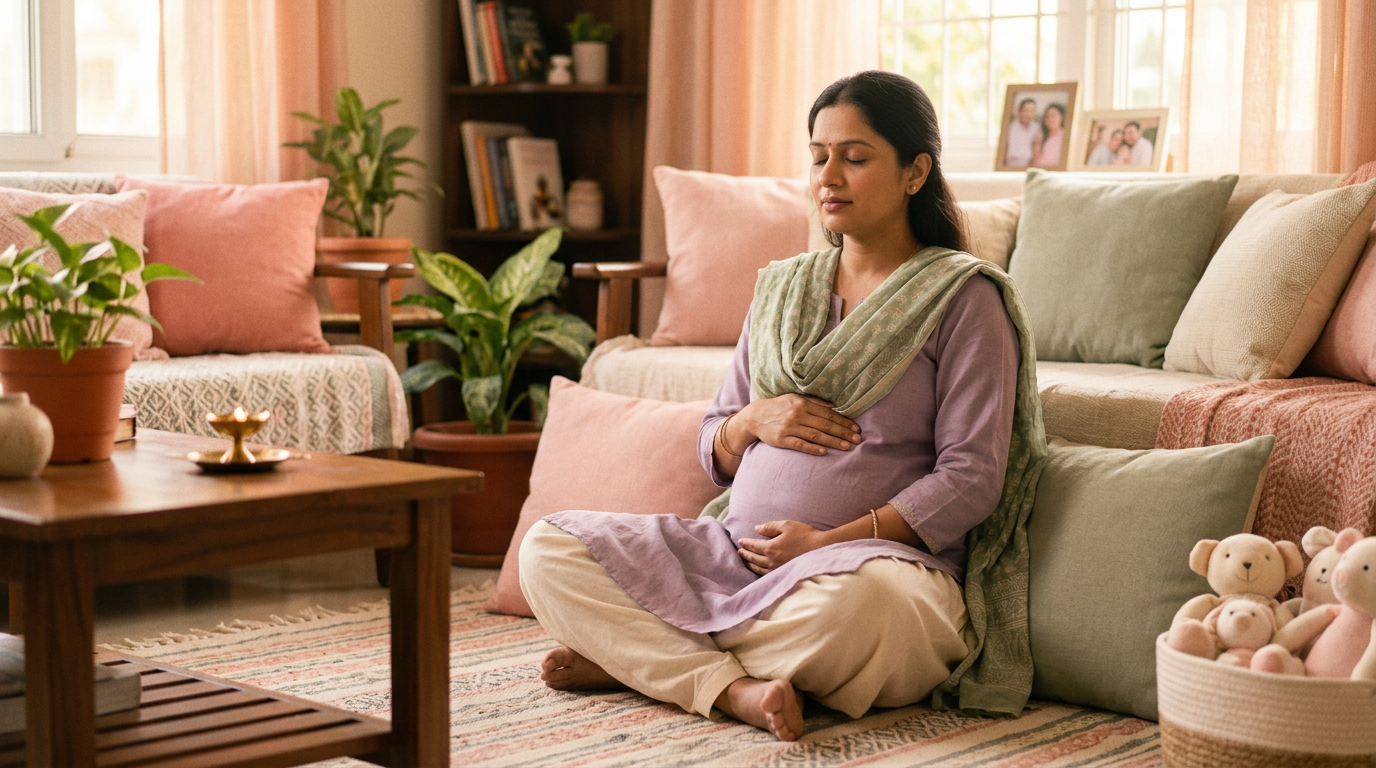
Pranayama during pregnancy is not just about "breathing"; it is about managing the 'Prana' or life force that sustains both you and your little one. While many high-intensity yoga flows might become difficult as your belly grows, specific breathing techniques are safe, cooling, and scientifically proven to lower cortisol levels. In the Indian context, where garbh sanskar emphasizes a calm mind for the baby’s development, practicing pranayama is your secret weapon for a smoother labor and a peaceful pregnancy.
Why Pranayama During Pregnancy is Your Best Friend
In India, we often hear our nani or dadi talk about staying happy so the baby is "hasmukh" (cheerful). They were onto something. Controlled breathing helps regulate the autonomic nervous system. When you practice pranayama during pregnancy, you are essentially training your body to move from 'fight or flight' mode into 'rest and digest' mode. This improves blood flow to the placenta and helps manage common issues like pregnancy-induced hypertension and insomnia.
If you are just starting your fitness journey, combining these breathing exercises with pregnancy yoga creates a holistic routine that prepares your pelvic floor and mindset for the big day.
Safe Breathing Techniques for Every Trimester
Not all pranayama is created equal. While Kapalbhati (skull-shining breath) and Bhastrika (bellows breath) are fantastic for general health, they are strictly contraindicated during pregnancy because they involve vigorous abdominal contractions. Instead, focus on these cooling and calming practices:
1. Nadi Shodhana (Alternate Nostril Breathing)
This is the gold standard of prenatal yoga poses and breathwork. It balances the Ida and Pingala nadis, bringing equilibrium to your hormones.
* How to do it: Sit comfortably with your spine tall. Use your right thumb to close the right nostril, inhale through the left. Close the left with your ring finger, exhale through the right. Repeat for 5-10 minutes.
* Benefit: Reduces anxiety and helps with the "pregnancy brain" fog.
2. Bhramari (Bee Breath)
If the stress of choosing the right hospital or arguing with your sasu maa about laddoos is getting to you, Bhramari is the cure.
* How to do it: Inhale deeply, and as you exhale, make a low-pitched humming sound like a bee.
* Benefit: The vibrations soothe the nervous system and can even help the baby settle down if they are being particularly active at 2 AM.
3. Sheetali and Sitkari (Cooling Breaths)
Indian summers are no joke when you are carrying extra baby weight. These breaths help lower body temperature.
* How to do it: Curl your tongue into a tube (Sheetali) or clench teeth gently (Sitkari) and inhale through the mouth, exhaling through the nose.
* Benefit: Great for managing morning sickness and acidity.
As your body changes, you might find it helpful to track your progress using a pregnancy week-by-week tracker to see how your lung capacity shifts as the baby moves higher up into the ribcage.
How Your Breath Changes by Trimester
Your experience with pranayama during pregnancy will evolve as your bump does.
The First Trimester: Managing Fatigue
In the early weeks, you might feel exhausted and nauseous. Focus on deep diaphragmatic breathing (Belly Breathing). This helps maximize oxygen intake without putting pressure on the uterus. If you are exploring pregnancy yoga first trimester, keep the breathwork gentle and avoid any breath retention (Kumbhaka).
The Second Trimester: Finding Balance
This is often called the "honeymoon phase." You have more energy, and the bump is visible but not yet unwieldy. This is the best time to deepen your Nadi Shodhana practice. You can also start incorporating gentle prenatal yoga poses that open the chest, making more room for the lungs.
The Third Trimester: Preparing for Labor
As you enter the final stretch, your breath might feel shallow because the baby is squishing your diaphragm. Practice "Golden Thread Breath"—inhaling through the nose and exhaling through pursed lips as if blowing through a straw. This is incredibly helpful during contractions. If you are doing pregnancy yoga third trimester, use bolsters and cushions to stay upright while breathing to avoid supine hypotensive syndrome (dizziness from lying on your back).
Real Talk from Indian Moms
"I used to practice Bhramari every time my mother-in-law suggested another bowl of ghee. It kept me calm and honestly, my baby is such a calm sleeper now. I think he remembers the humming!" — Megha R., Bengaluru (Baby 6 months)
"During my second trimester, I was so breathless just climbing the stairs in our colony. My yoga teacher taught me Nadi Shodhana, and it really helped me regulate my heart rate. It felt like I was finally getting enough air for both of us." — Ananya S., Delhi (Baby 3 months)
Essential Safety Precautions (The Red Flags)
While yoga is generally safe, Indian maternal health guidelines from FOGSI suggest caution. Pranayama should never feel like a struggle.
* NO Breath Holding: Never hold your breath (Kumbhaka) during pregnancy. This can restrict oxygen flow to the baby.
Empty Stomach: Practice at least 2-3 hours after a heavy meal like parathas or pulao*.
* Stop if Dizzzy: If you feel lightheaded, stop immediately and lie on your left side.
* Regional Weather: In humid places like Mumbai or Chennai, ensure you practice in a well-ventilated room to avoid overheating.
Postnatal Transition: Beyond the Bump
Once your baby arrives, your focus will shift toward postnatal recovery (also called postnatal). The breathing techniques you learn now will be vital for managing the "baby blues" and the physical exhaustion of the fourth trimester. When you are ready to begin your 1:1 postnatal care sessions, these pranayama skills will serve as the foundation for rebuilding your core strength.
You might also find that your abdominal muscles have separated—a common condition called Diastasis Recti. After your six-week checkup, you can use our free diastasis recti self-check to see how your core is healing before jumping back into intense yoga.
When to Call Your Paediatrician or OBGYN
While we focus on breath, keep an eye on these physical signals that require immediate medical attention:
* Vaginal bleeding or leaking of fluid.
* Decreased foetal movement (after 28 weeks).
* Sudden swelling in hands, face, or feet (possible sign of preeclampsia).
* Severe dizziness or fainting during or after breathing exercises.
* Pain or pressure in the pelvic area that feels like regular contractions.
Frequently Asked Questions
Is pranayama during pregnancy safe for the baby?
Yes, provided you avoid forceful abdominal movements and breath retention. Gentle pranayama improves oxygenation to the placenta and helps lower maternal stress hormones, which is beneficial for fetal development.
Can I practice pregnancy yoga first trimester if I am nauseous?
Yes, but keep it very low-impact. Focus on cooling breaths like Sheetali to help with acidity and morning sickness. Avoid any poses that put pressure on the stomach or involve deep twists.
How many minutes of pregnancy yoga second trimester is recommended?
Most experts and the Indian Ministry of AYUSH suggest 20-30 minutes of gentle yoga and 10-15 minutes of pranayama daily, depending on your energy levels and any medical complications.
Are there specific prenatal yoga poses to avoid?
Avoid lying flat on your back for long periods after the first trimester, avoid deep inversions unless you are an advanced practitioner, and never do "hot yoga" which can cause hyperthermia.
How does breathing help during the third trimester?
In the pregnancy yoga third trimester phase, breathing exercises like the "Golden Thread" help you stay focused during labor pains and ensure you don't hold your breath during contractions, which can cause the baby's heart rate to dip.
What is the cost of prenatal yoga classes in India?
A specialized prenatal yoga session in Tier 1 cities like Mumbai or Gurgaon typically ranges from ₹500 to ₹1,500 per class. Group monthly packages are often available between ₹3,000 and ₹6,000.
Your breath is the most powerful tool you carry into motherhood; use it to find your center when everything else feels like a whirlwind. Just breathe, Mama, you are doing a great job.
Sources & further reading
- Ministry of AYUSH - Yoga for Pregnancy
- FOGSI (Federation of Obstetric and Gynaecological Societies of India) Guidelines
- ICMR - Nutriton and Health during Pregnancy
Written by Priya Raman, Certified Prenatal Yoga Instructor & Mama of two
Reviewed by TheMamaCircle Editorial Team
Last updated: 3 August 2026
This article is for general information only and is not a substitute for personalised medical advice. Always consult your paediatrician or obstetrician for your specific situation.