Postnatal Yoga Classes India: A Safe Postnatal Guide
Ready for postnatal yoga? Discover the best postnatal yoga classes in India, safety tips for C-sections, and how to balance yoga with traditional jaapa care.
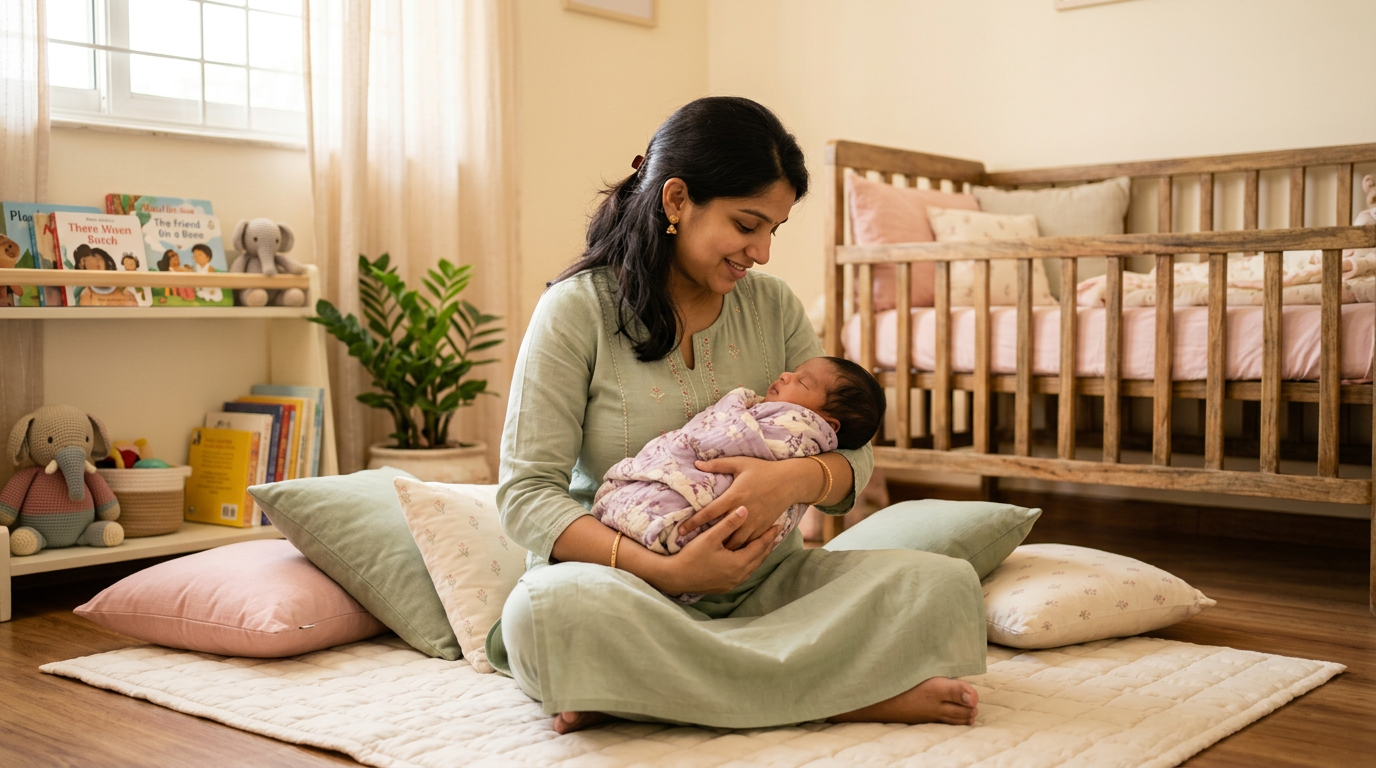
Finding the right postnatal yoga classes (often searched as postnatal yoga classes) is less about getting your pre-baby body back and more about healing the body that just performed a miracle. In India, we have a beautiful 40-day confinement tradition called the Sawa Mahina, but once that period ends, moving your body safely is key to long-term health. Most Indian moms can start gentle movement 6–8 weeks after a vaginal delivery or 10–12 weeks after a C-section, provided your OB-GYN gives the green light.
Why Should You Join Postnatal Yoga Classes?
After nine months of carrying a nanhi jaan and the physical marathon of labor, your body isn't just tired; it’s structurally different. Your center of gravity has shifted, your pelvic floor has been under immense pressure, and your hormones (specifically relaxin) have made your joints looser than a wet noodle.
Enrolling in structured postnatal yoga classes helps you navigate these changes without risking injury. Unlike a standard gym workout, postnatal-specific yoga focuses on:
* Closing the bones: Focusing on hip stability rather than just flexibility.
* Pelvic floor rehabilitation: Moving beyond basic Kegels to functional strength.
Correcting "Mummy Posture": Reversing the rounded shoulders caused by endless hours of stanpaan* (breastfeeding) and rocking a heavy baby.
Mental Clarity: Giving you 45 minutes of "me-time" away from the diaper changes and unsolicited advice from your sasu maa*.
When Can You Safely Start Postnatal Yoga?
In India, we respect the Jaapa period. During these first six weeks, your focus should be on rest and receiving a traditional postnatal massage to improve circulation. Once you clear your six-week checkup, you can look for specialized postnatal yoga classes that understand the Indian physiological context.
The Timeline for Recovery
Essential Yoga Poses for the Indian Mother
Your postnatal practice should be grounding. We aren't aiming for headstands; we are aiming for a body that doesn't ache when we pick up a 7kg toddler.
* Marjaryasana-Bitilasana (Cat-Cow): Excellent for spinal mobility. However, if you suspect abdominal separation, keep the movement small. You can use our free diastasis recti self-check to see if your core is ready for deeper extensions.
* Tadasana (Mountain Pose): It looks simple, but relearning how to stand straight after months of a protruding belly is vital for back pain relief.
* Viparita Karani (Legs up the wall): The ultimate pose for tired mamas. It helps reduce swelling in the ankles (edema) and calms the nervous system.
Modified Balasana (Child’s Pose): Use a bolster or a firm takiya* to support your chest, allowing your pelvic floor to relax completely.
Finding Postnatal Yoga Near You
If you are looking for postnatal yoga classes, you have three main options in India:
1. In-Person Boutique Studios
Cities like Bengaluru, Mumbai, and Delhi have specialized studios. Expect to pay anywhere from ₹4,000 to ₹8,000 per month for group sessions. The benefit here is the community of other moms who understand the struggle of leaking breasts and sleep deprivation.
2. At-Home Private Instructors
Many Indian moms prefer a private yoga acharya who comes home. This is especially helpful if you are also booking a postnatal massage at home and want to stack your wellness routine. Private sessions usually range from ₹800 to ₹1,500 per class.
3. Online Live Classes
Platforms like Cult.fit or specialized prenatal apps offer live Zoom sessions. This is the most budget-friendly and convenient option if your baby’s nap schedule is unpredictable.
Integrating Traditional Care with Yoga
Yoga doesn't exist in a vacuum. In the Indian context, it works best when paired with traditional recovery rituals. Before your yoga session, applying a warming postnatal massage oil like Dhanwantharam Thailam can help lubricate the joints.
Diet also plays a huge role. Ensure you are following a pregnancy nutrition guide that transitions into lactation-friendly foods like methi pak, ajwain ka pani, and protein-rich moong dal khichdi. The Federation of Obstetric and Gynaecological Societies of India (FOGSI) emphasizes that maternal nutrition is the backbone of postnatal exercise safety.
Real talk from Indian moms
"I started yoga 8 weeks after my C-section. Honestly, I spent the first three classes just crying during Savasana because it was the only time I wasn't being touched by a human or a pump. It saved my mental health." — Ananya, Mumbai, Mom to 5-month-old.
"In my house in Chennai, my mother-in-law was very strict about the 40-day rest. I thought yoga was too much, but doing gentle 'breath-work' helped my back pain more than any ointment could." — Meenakshi, Chennai, Mom to 7-month-old.
"I joined a class for postnatal massage delhi that also offered yoga. Doing both made me feel like 'me' again, not just a milk machine." — Preeti, New Delhi, Mom to 1-year-old.
When to call your paediatrician (and your OB-GYN)
While you are focusing on your yoga, keep an eye on your own recovery markers. Stop exercising and call your doctor if you experience:
* Sudden increase in vaginal bleeding (bright red flow after it had tapered off). Use our lochia analyzer to track your progress.
* Sharp, stabbing pain in the pelvic area or at your incision site.
* Shortness of breath that doesn't resolve with rest (potential sign of postpartum cardiomyopathy).
* Feeling of extreme sadness or inability to bond with the baby (postnatal depression/psychosis). Use our postnatal wellness assessment for a quick check.
* For the baby: If they are excessively fussy, check the AI cry analyzer to see if it's hunger, colic, or sleepiness before you head out for your class.
Yoga is a tool, not a chore. Some days, your "yoga" will be a 10-minute nap while the baby sleeps. Other days, it will be a full hour of flowing through asanas. Both are valid. Your body spent forty weeks growing a human; give it at least forty weeks to feel like home again.
Repeat after me: My strength is returning, one breath at a time.
Sources & further reading
- FOGSI Postpartum Care Guidelines
- Ministry of Health & Family Welfare - Postnatal Care
- WHO Recommendations on Postnatal Care of the Mother and Newborn
Written by Priya Raman, Certified Prenatal Yoga Instructor & Mama of two
Reviewed by TheMamaCircle Editorial Team
Last updated: 1 September 2026
This article is for general information only and is not a substitute for personalised medical advice. Always consult your paediatrician or obstetrician for your specific situation.