Yoga Asanas to Avoid During Pregnancy: Indian Safety Guide
Discover the critical yoga asanas to avoid during pregnancy to keep you and your baby safe. Learn trimester-wise prenatal yoga poses and Indian safety tips.
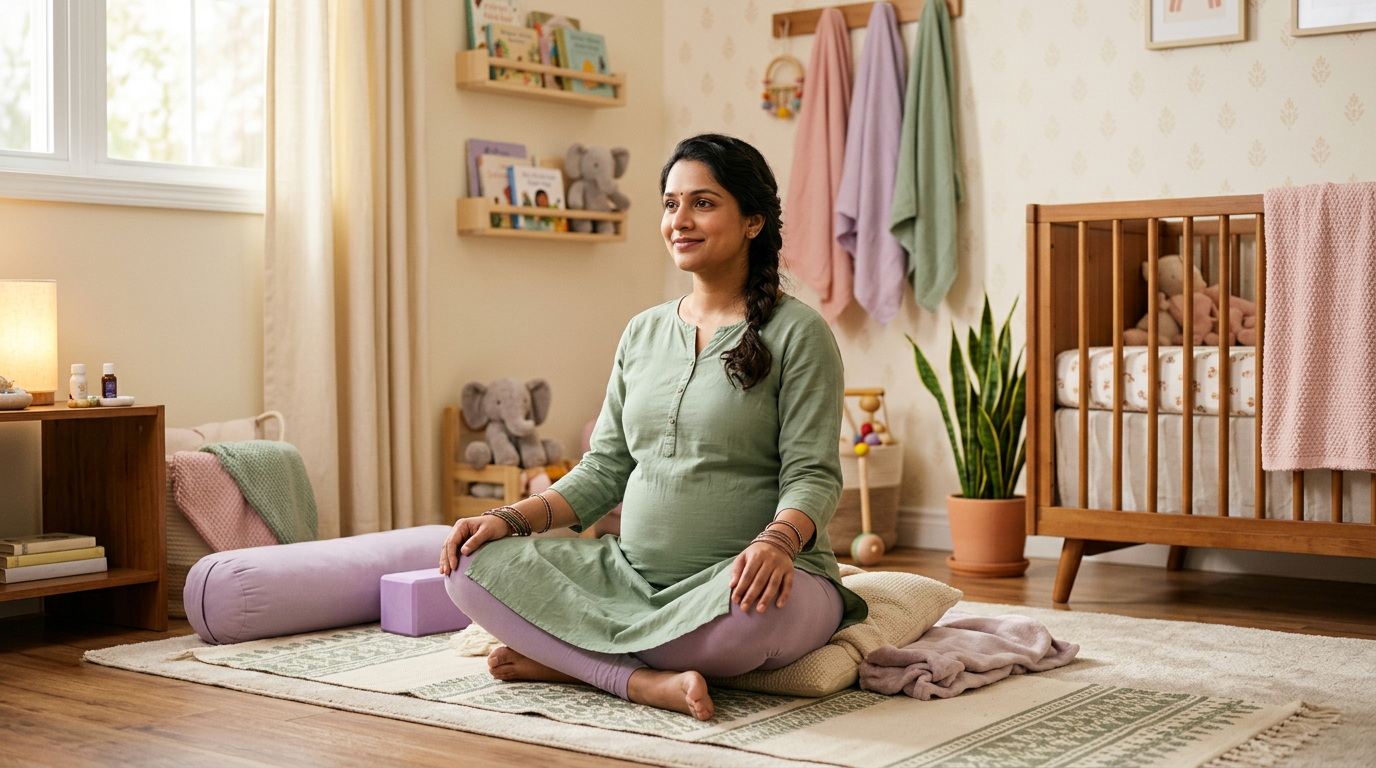
While prenatal yoga is a godsend for backaches and leg cramps, not every pose you see on Instagram is safe for your changing body. The primary yoga asanas to avoid during pregnancy include deep twists, lying flat on your back after the first trimester, intense core-crushing movements, and inversions that risk a fall. Safety first, garbh health second—always listen to your body over the yoga instructor's count.
Why you need to know which yoga asanas to avoid during pregnancy
During pregnancy, your body produces a hormone called relaxin. As the name suggests, it relaxes your ligaments and joints to prepare the pelvis for birth. While this makes you feel like a flexible yogini overnight, it also makes you highly prone to overstretching and joint instability.
Indian mothers-to-be often face pressure to stay active—whether it is the sasu maa suggesting household chores or a modern gym trainer pushing for "fit pregnancy" goals. However, the Federation of Obstetric and Gynaecological Societies of India (FOGSI) emphasizes that exercise should be modified to prevent maternal and fetal distress. Certain poses can restrict blood flow to the uterus or put undue pressure on the bacha (baby).
The "No-Go" List: Yoga asanas to avoid during pregnancy
If you are practicing at home or in a general class, keep this list of contraindications handy. These poses are generally considered risky regardless of your fitness level.
1. Deep Abdominal Twists (Ardha Matsyendrasana)
In a regular yoga class, we love a good spinal twist to "detox." During pregnancy, deep closed twists compress the internal organs and the uterus.
* Why to avoid: It can interfere with blood flow to the placenta.
* The Modification: Always do "open twists." Instead of twisting toward your bent leg, twist away from it to ensure your belly has plenty of space.
2. Lying Flat on the Back (Savasana - Modified)
After the 20-week mark, lying flat on your back (supine position) is one of the main yoga asanas to avoid during pregnancy.
* Why to avoid: The weight of the growing uterus compresses the inferior vena cava, the large vein that returns blood from the lower body to the heart. This can lead to supine hypotensive syndrome, making you feel dizzy or nauseous.
* The Modification: Prop yourself up with bolsters or lie on your left side using a pregnancy pillow.
3. Intense Backbends (Chakrasana or Urdhva Dhanurasana)
Full wheel pose or deep backbends stretch the abdominal muscles excessively.
* Why to avoid: This increases the risk of diastasis recti (separation of the abdominal muscles). You can check your status later with a free diastasis recti self-check.
The Modification: Stick to gentle pelvic tilts or a mild Cat-Cow stretch (Marjaryasana-Bitilasana*).
4. Prone Poses (Bhujangasana or Dhanurasana)
Any pose where you lie flat on your belly, like Cobra or Bow pose, is a strict no-entry zone once your bump starts showing.
* Why to avoid: Direct pressure on the uterus and the developing fetus.
* The Modification: Do a standing Cobra against a wall or a modified pregnancy yoga first trimester version of Bird-Dog pose.
5. Inversions (Sirshasana or Sarvangasana)
Unless you were a seasoned practitioner who could do a headstand in your sleep before pregnancy, now is not the time to start.
* Why to avoid: Risk of falling is the biggest concern. Your center of gravity shifts significantly during the second and third trimesters.
The Modification: Legs-up-the-wall (Viparita Karani*) is a much safer way to get the benefits of an inversion without the danger.
Which yoga asanas are safe for each trimester?
Yoga isn't a "one size fits all" during these nine months. Your pregnancy week-by-week tracker will show you how much your body changes every seven days.
First Trimester: Focus on Grounding
In the first three months, fatigue and morning sickness are your biggest hurdles. Stick to gentle prenatal yoga poses that focus on breathing (Pranayama) rather than intense physical exertion. Avoid "hot yoga" as overheating can be dangerous for the embryo.
Second Trimester: Finding Balance
This is often called the "honeymoon phase." You have more energy, but your bump is growing. Focus on hip openers like Baddha Konasana (Butterfly pose). However, be careful not to overstretch due to the relaxin hormone. Check our guide on pregnancy yoga second trimester for specific safety tips.
Third Trimester: Preparing for Birth
As you approach your due date (check your progress with our due date calculator), the goal shifts to pelvic floor health and creating space. Avoid any pose that requires lying on the back or holding your breath (Kumbhaka). Focus on pregnancy yoga third trimester movements that involve squatting and gentle swaying.
Real talk from Indian moms
"I thought I could continue my regular Power Yoga class. By week 14, I did a Naukasana (Boat pose) and felt a sharp pull in my lower abs. My doctor told me to stop immediately. Now I only do slow, mindful stretches." — Ananya S., Bengaluru (Mom to 6-month-old)
"In my family, everyone said 'don't move too much.' But yoga helped my back pain. I just stayed away from the deep twists my yoga app suggested and stuck to the basic Butterfly pose my Nani used to do." — Meera K., Pune (Mom to 1-year-old)
Indian Context: Integrating Tradition with Safety
In India, we often mix traditional wisdom with modern science. While your elders might suggest Malasana (Garland Pose) to help with a "normal delivery," ensure you aren't doing this if you have a history of premature labor or a low-lying placenta (placenta previa).
Cost of Prenatal Yoga in India:
A specialized prenatal yoga class in metros like Mumbai or Delhi can range from ₹3,000 to ₹8,000 per month for group sessions. If you are doing a 1:1 postnatal care session or prenatal session, prices may be higher.
Nutrition and Yoga:
Never practice on an empty stomach if you feel faint. A small snack like a banana or a handful of soaked almonds and walnuts is perfect. Following a proper pregnancy nutrition guide ensures you have the stamina for your practice.
When to stop and call your Obstetrician
Yoga should make you feel better, not worse. If you experience any of the following during or after your practice, stop immediately:
* Vaginal bleeding or leaking of fluid.
* Dizziness, feeling faint, or shortness of breath before exertion.
* Chest pain or severe headache.
* Muscle weakness affecting balance.
* Calf pain or swelling (which could indicate a blood clot).
* Decreased fetal movement.
* Uterine contractions that continue after rest.
Frequently Asked Questions
What are the main yoga asanas to avoid during pregnancy?
The primary ones are Chakrasana (Wheel), Bhujangasana (Cobra on belly), Ardha Matsyendrasana (Deep twists), and Sirshasana (Headstand). Any pose that involves lying on the stomach or puts excessive pressure on the abdominal wall should be avoided.
Is pregnancy yoga first trimester safe for beginners?
Yes, but it must be gentle. The first trimester is a sensitive time for implantation. Focus on relaxation, meditation, and light stretching rather than core work or inversions. Always inform your instructor that you are in your first trimester.
What are the best pregnancy yoga second trimester poses?
Baddha Konasana (Butterfly), Marjaryasana (Cat-Cow), and Tadasana (Mountain Pose) are excellent. These help with balance and opening the hips without putting stress on the growing belly.
Can I do pregnancy yoga third trimester if I have pelvic pain?
If you have Symphysis Pubis Dysfunction (SPD) or general pelvic girdle pain, you should avoid wide-legged poses. Stick to parallel-leg movements and consult a prenatal physical therapist or check our Postnatal Wellness Package for future recovery plans.
Are all prenatal yoga poses safe for everyone?
No. If you have conditions like pregnancy-induced hypertension, cervical incompetence, or persistent second/third-trimester bleeding, your doctor may advise against yoga entirely. Always get a medical clearance before starting.
Can yoga help with postnatal recovery?
Absolutely. After the mandatory jaapa or rest period (usually 6-8 weeks), gentle yoga can help with postnatal recovery by strengthening the pelvic floor and back.
Yoga is a beautiful way to bond with your baby, but it is not the time to win a gold medal in flexibility. Respect your body’s limits, use plenty of cushions, and remember that your breath is your best guide. You are doing the hard work of growing a human; your yoga practice should be the soft place you land.
I am strong, I am capable, and my body knows how to nourish this life.
Sources & further reading
- FOGSI Focus: Exercise in Pregnancy
- WHO Recommendations on Antenatal Care for a Positive Pregnancy Experience
- ICMR Guidelines for Physical Activity during Pregnancy
Written by Priya Raman, Certified Prenatal Yoga Instructor & Mama of two
Reviewed by TheMamaCircle Editorial Team
Last updated: 12 August 2026
This article is for general information only and is not a substitute for personalised medical advice. Always consult your paediatrician or obstetrician for your specific situation.